
This is the fifth and final chapter from the book King of the Squatters by jaybo which we are delighted to be able to share on Winter Oak. The whole text can be found as a pdf here.
I had enjoyed going for food at the social centre twice weekly. But it became tiresome for me to recognise blatant hierarchies and leaders when their on-line blurb claimed that they were anarchists against leaders, organised along horizontal lines, not vertical, top-down power structures. But my relationship with the social centre was completely destroyed one afternoon, after I had just recycled some expensive, fancy cream cakes.
In front of our house, a fiesta had been happening all weekend, so lots of drunken revellers engulfed our usually quiet home. Our squat had been under siege for the three days, being attacked by young adults who threw stones and came into our building looking for trouble. I had not been sleeping well and was very tired one day as I ate some luxury recycled cream cakes in the city centre. Then the social centre’s leader passed me and stopped to speak. We had only ever seen each other previously at the centre, never in public. I offered yer man a fancy cake, without thinking that they were patently not vegan.
He refused and asked me exactly where our squat was. I innocently told him directions to our home. Then he left to go on a demonstration against workers’ exploitation. That night as I walked home, I was stopped dead in my tracks by fresh graffiti on the bridge just before our squat. In big white letters it simply stated, “vegan limit!!!” I had no doubt that the vegan punk anarchist leader had just sprayed the graffiti as some kind of attempted bullshit intimidation directed at me. Because I had offered to share my hard-earned cakes with him.

I never went back to the social centre after that. I was so angry that I knew if I had returned then I would have certainly made trouble and probably have given the leader an excuse to ban me anyway. I hate egos and authoritarians. However, as always, I tried to turn a negative into a positive. That incident inspired one of my most popular signs for The Whimsical Atrocity Theatre (TWAT): “I only eat vegans”.
The next day, TWAT proudly unveiled its new message to the world. It worked immediately. The show was good. I was a little bit worried that one or more of the social centre vegan punks would pass by, see the sign and beat me up. I was probably safe in my theatre, as I usually had a police escort at one side, looking out for the tourists’ safety. But they knew where I lived.
Some brave souls came and spoke to me during or after my cardboard shenanigans. But things reached dizzying heights for TWAT when an American woman came up to me and asked me how much my signs were. I was absolutely flabbergasted. Someone wanted to buy my recycled carton signs. I replied to her spontaneously that, if she wanted to buy a sign, then she had to tell me how much it was. She put four euros into my hat for “I only eat vegans”. Black permanent marker pen on quality recycled cardboard.

Women were flirting with me almost every day when I performed, but I was caught completely off guard when an extremely attractive, well-dressed young French woman came up to me with her friends, picked up the condoms and said, “OK, let’s go!” She was absolutely serious and in a pathetic response, I replied, “You’re wearing a wedding ring.” She countered with, “It’s only an engagement ring. This is my last chance. Are you coming?” Her friends’ looks assured me that she was absolutely serious. I did not go. One of her friends looked at me as though I must have been insane. One of several potentially delicious sexual opportunities that I missed in life.
As the summer really heated up, it felt as though all of Portugal’s crazy folk were coming out of the woodwork and heading for fun in Lisbon. As I worked one day, a sun-drenched, handsome, young man swaggered up the steps towards me. He wore rags as clothes, had matted, unkempt hair flopping all over his face and had a long stick over his shoulder, with a cloth bundle tied up at the other end. He asked if he could write something on one of my signs. I told him he could, so he picked up “this sign was my bed” and wrote on it, “but I washed it in my jacuzzi first”, which killed me and the audience. Then he shouted for all to hear, “We are homeless because we choose to be.”
Before his departure, he asked me if he could take a condom because he might meet a girl on the way up the steps. Again, his question cracked me up. I said yes, admiring his confidence and forgetting to tell him that they were out of date. As he walked up the steps, I witnessed him stop half-way and start talking to a young woman. Immediately, they were lost in each other’s eyes. He slept in his hammock, which he tied to two trees right in the middle of the busy poetry district of the city, for the following two weeks.
I rarely had sad stories gleaned from TWAT’s daily performances. But when a young girl of six or so years of age saw my few unoriginal signs, “free hugs”, she asked her parent or guardian, a man, “What are hugs?” He responded by extending his arms wide, whilst still standing, towering over her. I was gob-smacked and heartbroken at the same time. They were English speaking. I believe they were English. The only thing I could do was to try to describe the situation in a long sign, which I did. My only sad sign.
It did not take me long before I had created twenty-five signs, saying things like, “the only constant is change”, “smile please you are on holiday, or get a divorce”, “footballers v dung beetles. Who are more talented?”, “there is no authority but yourself” (inspired by the punk band Crass), “clamp the homeless” (inspired by the comedian Chris Morris) and “all this was forest and everything was free” (inspired by Crimethinc).
The wind, which I called my boss, had been an occasional issue in my theatre. A few times, my condoms blew down the busy main street and helpful young children would run after them and gleefully give me back a handful of condoms, sometimes thinking that they were recovering sweets. Their parents were rarely impressed.
After a few weeks, I think some tourists complained about me. I enjoyed incorporating any possible slapstick into my silent theatre. But perhaps making a sign that read “Do not step on signs. Fine ten euros”, and then sliding it underneath the feet of unsuspecting tourists as they walked up the steps past me, was not my greatest idea. I had not endangered anybody, but many average people live in constant fear of everything. People may have complained merely due to the content of some of my signs. Every day, some people looked at me like they might attack me. I had always felt, whilst working the streets, that if people did not look at me like they wanted to kill me, then I was not doing good work.

As the glorious Lisbon summer really heated up and the tourists flooded the city, the police, for whatever reason, finally decided that they had had enough of my carton shenanigans. They closed TWAT’s theatre down. I simply moved around to the back of the elevator shaft. This meant that I lost my main captive audience, the hundred or so people shuffling along slowly. At the back of the lift, my audience was the tail-end of the queue and passing punters. Some would stop to read all of my signs and chat with me. Some bought me new sets of pens with many colours so I could make my signs really colourful.
My takings were drastically reduced in my new theatre, which became more of a gallery on an entirely flat surface. However, the wind was much more of an issue, and sometimes my whole performance would consist of playfully trying, against the wind’s desires, just to get all of my thirty signs standing up at the same time and not blowing away completely.
I was deeply touched when a Portuguese mother and her two daughters, aged about ten and twelve, asked if they could buy two signs, one for each little girl. I told them they had to name their price, and then the girls took ages choosing very carefully which sign they each preferred. The youngest chose “Bob Marley…”, and the older chose “the only constant is change”. I felt flattered. They were obviously very poor, and they were so pleased with their signs. It did not matter how much money they gave me. It never did. Money is not in the same dimension as being rendered speechless by children.

Another day, a young man gently asked me if he could make a sign. I had recently been bought a big set of pens and always had spare cardboard, so replied sure. He went to work, and I left him to it. After some time, I was intrigued as to what he would write. What he wrote touched me deeply and made me belly laugh at the same time. In many colours he had written, “I am the only elevator around here”. I thanked him and used his sign often, propped up against the enormous elevator shaft.
My last story about signs in Portugal happened when a young Swiss woman stepped up to me and asked how much my signs were. I told her that, if she wanted to buy one, then she had to tell me how much it was. For “You are a universe” she paid me twenty euros! The most I ever received for a sign.
In the summer, two young street kids moved into our squat in the room next to me. That meant that I was not the only person on the floor that any intruders could walk straight into. Zwal and his girlfriend had a big dog, which also helped us all feel safer. There were no other dogs in the house. Zwal spoke the most English in the house, and we got on well. The guys were very poor and very generous. They shared the end of their weed with me frequently, always living for the day.

The new guys were punky streetwise squatters, and I had no doubt about their class background. They were survivors, and we enjoyed hanging out together at home and out on the streets. They came to life on the streets, where they turned into a two-person spontaneous circus, winging it all the way. It was when hanging out with Zwal and co that I witnessed my first beggar ‘fishing’ for money.
A man was sitting on a busy city-centre street, with a woven basket hanging off the end of his wooden walking stick. He was extending it out into the passing shoppers and calling them all angel, whilst asking for money in strong Mancunian accent. Under his bright blond, floppy hair, he had piercing blue eyes, and in his own way he had angelic qualities. His energy really caught my attention, and when he heard me speak to Zwal he shouted with delight “Scouser! Can you help me open these bottles of wine? I’ve been trying for three days!” I knew that he was serious. Steve really had been trying to open three bottles of wine for three long days.
He told me that he had been invited to a wedding in the countryside, outside Lisbon, that had happened five days previously. He had gotten utterly wasted at the wedding, which had lasted for two days, and then he had spent three days trying to get back to Lisbon. Three days to cover not such a large distance had not bothered Steve at all. But three days of not being able to open any of his wine had left him absolutely desperate.

I wanted to help him and felt sure that I could, then a waiter from a nearby restaurant stepped outside to smoke a cigarette. “Get him to do it for me! Please, scouse!” Steve begged. I got the waiter to open all three bottles of wine, and Steve and I started drinking together on the street close to the train station. We would not stop for the next two weeks.
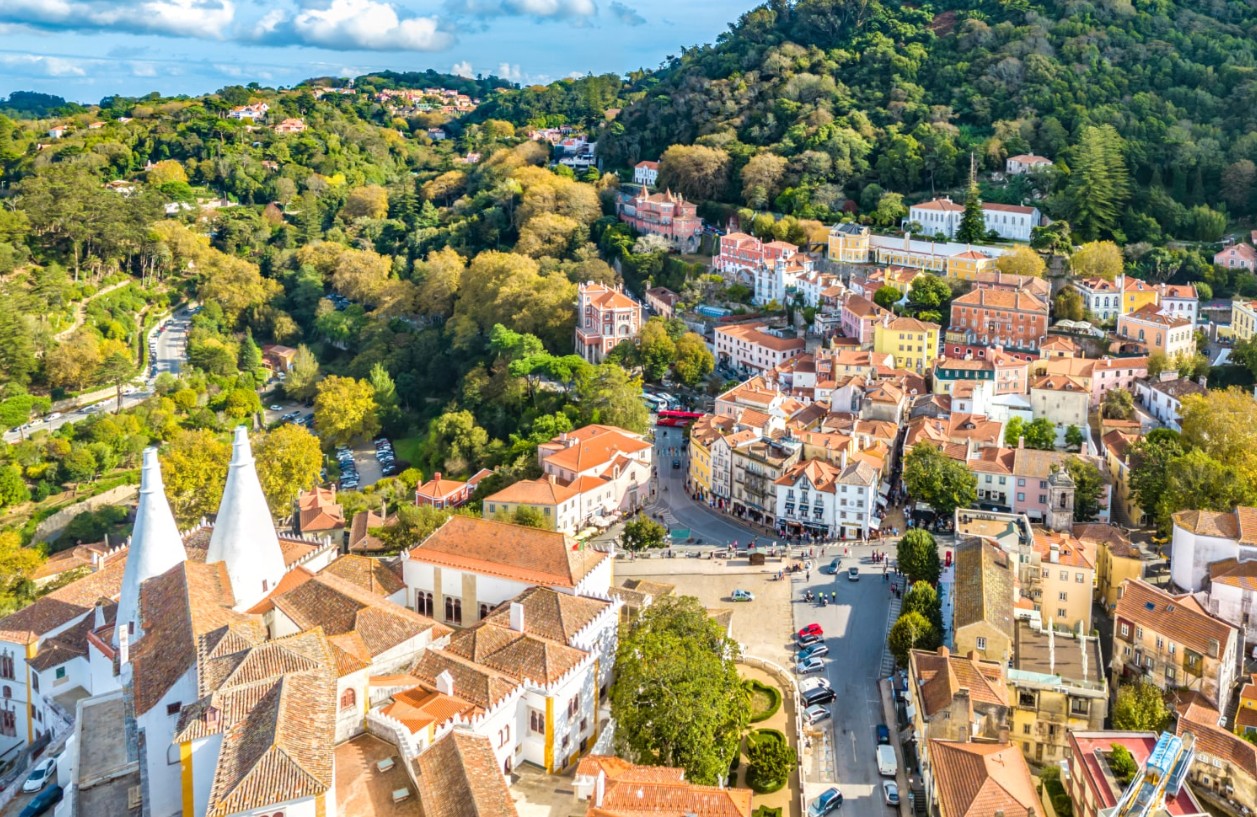
Sintra is only thirty minutes’ train ride from central Lisbon. I had heard that it was a stunningly beautiful place and that there were permaculture projects located there. We got enough money for two train tickets, and Steve took me off to show me where he lived. I was drunk by the time we arrived in Sintra, and it was dark. Steve took me straight to the best bar in town, where we met his wild crew, Dougie and his young Portuguese girlfriend named Marney. Dougie was a crazy Glaswegian alcoholic, and Marney was very sweet. I wondered how she had ended up with two middle-aged chaos merchants. I never found out, but she obviously loved Dougie and was very patient with him. We all got on like a house on fire.
After a few beers in the sleazy little bar, we all stumbled back to their farm. Situated on the outskirts of the small town of Sintra, there was an abandoned-looking, old farmhouse with extremely overgrown land surrounding it. I could not appreciate its full beauty in the dark. The guys took me inside, lit a big open fire and cooked us all food.
Next morning in glorious sunlight, I saw the derelict paradise that my new pals called home. The buildings and land were spectacular. Some of the trees looked old enough to have had dinosaurs urinate on them. There were the biggest palm trees that I had ever had the good fortune to witness and laze under. When I asked the guys how they came to live, there they smiled cunningly.
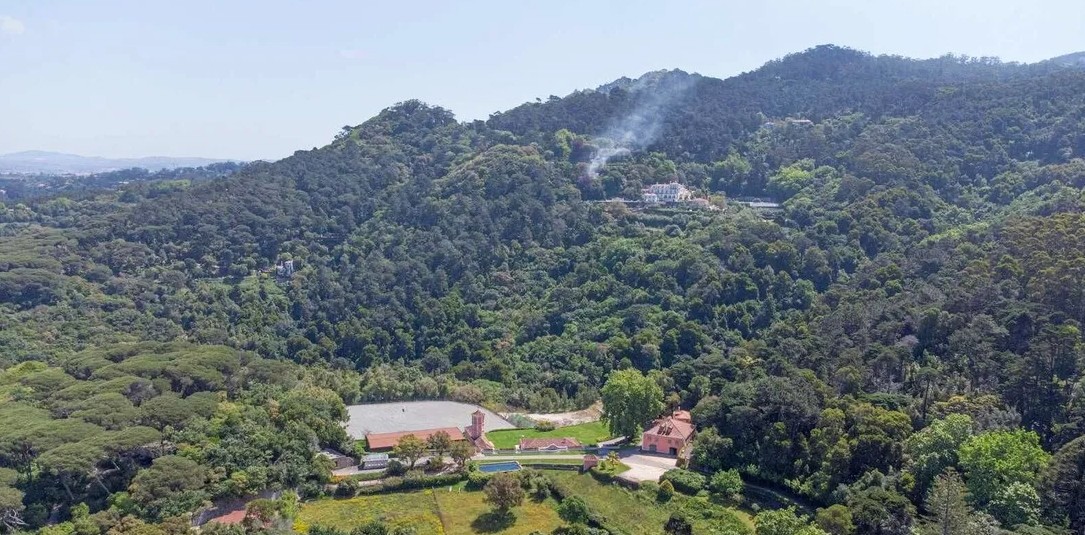
Dougie explained the situation. The owner was in jail a long way away, for shooting a guy in the neck. He told me that he was a nice guy as long as you did not get on the wrong side of him. The owner, in his wisdom, had recognised that Dougie, Steve and Marney were the wildest folk in Sintra, and he had offered the property to them to look after in the knowledge that nobody else would be mad enough to go there, whilst they occupied the place. They explained that the only crucial condition had been not to dig anywhere in the surrounding grounds. Then they said I could stay for as long as I wanted. Much as I loved gardening, I was not going to risk being shot in the neck. But it was hard not to wonder just what was buried there. Treasure, or bodies?
I came to love all of those guys and recognised that Steve struggled a bit with schizophrenia and that Dougie also seemed to have it in a milder form. Like some of my other schizophrenic friends, they had no interest in the medication on offer from the men in white. They self-medicated with heavy alcohol consumption instead. Every day that they survived was another little victory.
Dougie told me a little about his childhood on some of Glasgow’s meanest streets. He had been surrounded by heroin from a young age and had started using the gear early. He described how, by seventeen years of age, he and his pals had used to shoot up in stereo. That meant using a needle in each arm at the same time.

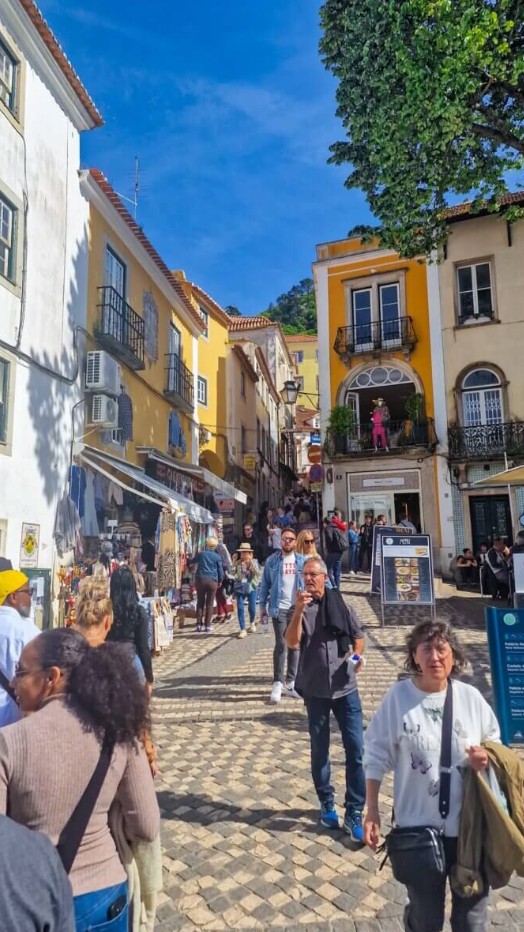
We ate breakfast in the farm, drank some wine and headed out onto the streets of touristic Sintra, to earn more money and buy more cheap wine. I explored Sintra’s beautiful mountain and forest, and the guys showed me their favourite places to drink, smoke and ‘work’. We were rarely troubled by the police or anyone else. Sleepy little Sintra had its own lawless wild bunch. Completely out of control, but ultimately darlings of the streets. In our own individual crazy ways, we loved the street life; Dougie and Steve played guitar, whilst Marney and I made percussion, and she sometimes sang. We met some interesting folk who were brave enough to speak to us, and life was good. Nothing else mattered.
One day as we played on the High Street, we found ourselves faced by a large group of Korean tourists, maybe thirty-plus in total. They stared at us from across the street, looking absolutely amazed. Appearing more like bland conformists than rebels in their average tourist clothing, we all sensed immediately that they loved us.
One of them crossed the High Street to speak with us. He asked if it would be OK for them to take photos of us all doing our thing. We agreed no problem. They smiled huge smiles in return and took some pictures. Then the original guy asked if he could get a picture with me, to which I agreed. We put our arms around each other’s shoulders, and he seemed immensely proud to get that photograph. I imagined that they were all rebels at heart, and they respected our absolute rejection of all authority and norms. And they loved us for it.
Dougie could play guitar and sing really well when he wanted to. As we sat inebriated on our favourite High Street pitch one afternoon, with the street bustling with tourists and locals, he launched into my favourite song by John Lennon, ‘Working Class Hero’. Dougie played and sang the spine-tingling song better than anyone else I had ever heard try. It is a song that takes no prisoners, and when Dougie gave his heart and soul to his performance it seemed perfect. The perfect song in the perfect moment. Sintra froze in time. The hairs all over my body stood on end. It felt as though the whole of Sintra knew what was being sung, and why. My heart nearly burst out of my chest.
Steve was an avid recycler, unable to pass a bin without exploring inside. He did not walk very easily, after an incident that had resulted in him having his leg run over by a small truck. On purpose. He had upset some local wanna-be gangstas and, as a result, they had driven over his leg! Anyway, he was a very quirky character, always dressing up in unusual clothes that he had recycled. Although he had the energy of an angel, which turned out to be how he addressed everybody that he spoke to, he could certainly become difficult after too much alcohol. So, he did not live at the farm full-time after many fights with Dougie, but actually had his own secret hideaway.
One night after I had earned his complete trust, he took me to his home in the woods. In an over-grown field on the edge of town, he had set up camp, with the owner’s reluctant agreement. He had been told that he was the only person allowed to live there, and he took a risk taking me to stay for a while. He had made a nice bedroom, with a lovely open but covered kitchen area. I only stayed one night in the end, because I would have been gutted had my presence brought him any difficulties with the land-owner.
Sintra had a nice little cafe where they actually gave free food to the homeless and destitute on a daily basis. I had never heard of such generosity before and was eager to go. One afternoon, I went and found all the staff to be punky-looking, with many tattoos and piercings. I could not believe my luck. I was alone the first time, and I enjoyed the soup and coffee.
The next time I went, I was treated like shit. I was with my crazy gang, and it was obvious that they were not welcome at the café, which was mostly filled with tourists. Every time I went subsequently, I purposefully went alone. But it was too late. I was associated with the wild bunch, and it felt like some of the staff hated us. After terrorising the town for a while, I felt like the cafe could possibly lose all its custom and close, just because our gang lived in Sintra in our own ungovernable way.
Two weeks flew by, and then the shit hit the fan. We were doing our thing on the streets when four American women stopped and asked us where they could buy some marijuana. Dougie told them that he could sell them some, and at that moment a Portuguese guy stopped, after hearing the girls’ request. As Dougie went into his backpack for herbs, the Portuguese guy tried to muscle in and sell his weed to the Americans. Within seconds, the Portuguese guy was waving a knife at Dougie, and Dougie was shouting that he was getting his knife out from his bag.
The girls decided that there were safer ways of buying weed and ran away screaming. We heard distant police sirens, and the guy with the knife also ran away. Another Portuguese guy who had witnessed the incident came over to inform us that the guy with the knife had only just been released from prison after a long time inside, for killing a cop. We decided it was time to leave the high street for the day. I decided it was time to leave Sintra for good.
It was so hard saying goodbye to my dysfunctional Sintra family. I felt for Marney, so much. Dougie could be difficult for her at times, but she could not leave him. And Steve really was an angel. Just before I left, we met some people fresh from the Rainbow Gathering. Steve took us all to a lovely garden to smoke a few spliffs. Within minutes, the rainbow people were discussing how Steve and I were actually angels, but they informed us, in their wisdom, we were dark angels. Steve and I could live with that.
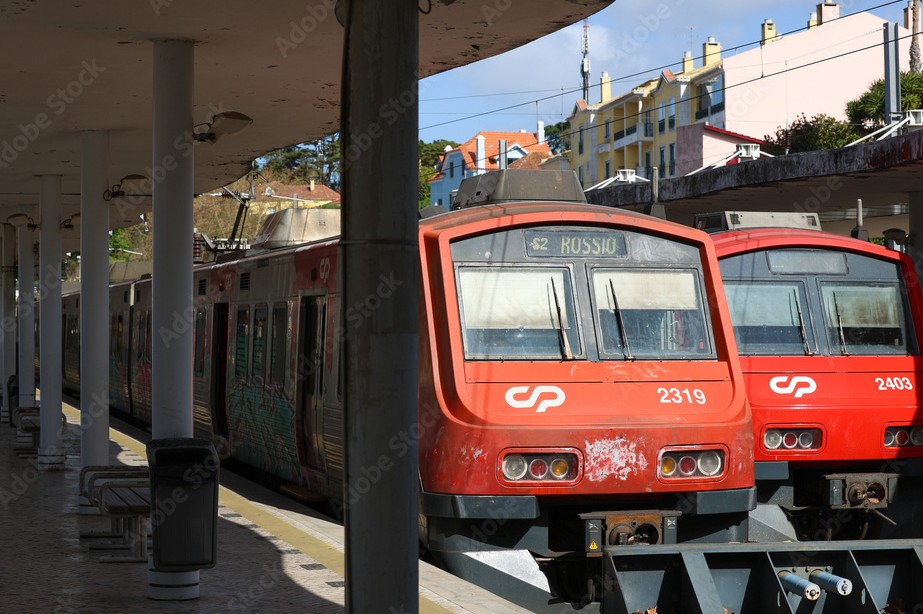
I left Sintra absolutely penniless and had to beg for three euros outside the train station to pay for the ticket fare home. When I got back to the Lisbon squat, all was as before. The last three weeks in our squat were strange because our building was on its count-down to a grossly premature ending. One Monday morning at eleven am, several contractors broke the front door lock, which none of us had a key to, and entered the building with the police. The police were actually OK, but the contractors looked scared, yet ready to kill us if necessary.
We were told to leave, so we gathered our belongings and left through the front door. The contractors put a new lock on the door that was never used and left with the police. We all stored our few belongings in the bushes in the park at the back of the house, near to our drawbridge entrance, which had been left intact. In their wisdom, the authorities had left our entrance way just as normal, so we could still get in and out without any problem.
Sometimes, differences between countries, not necessarily far apart, can be glaringly obvious. If the eviction I just described in Portugal had have happened in England. the contractors and police would have been racing each other to destroy our means of entry into the building. They would have, at the very least, thrown our drawbridge down, out of reach. More likely, they would have taken it away and sealed the open doorway into the squat. In Portugal, one policeman seemed very concerned that I had forgotten a pair of shoes. It took a while to explain to him that I had not forgotten them, but that they were in fact broken.
Every night for the following week, seven of us got our stuff out of the bushes in the park and re-entered the squat, to sleep inside. Each morning, we put all of our belongings back into the bushes in the park. Then, exactly one week later, again at eleven am on Monday, police and contractors entered the building through the front door, using their new key. The second time we were evicted, the police were a little aggressive, and the contractors looked scared of us.

Exactly the same thing happened on our next eviction. It seemed like an exercise in futility, but the contractors put another new lock on the unused front door and left our rear entrance untouched. My first Portuguese eviction became surreal on week two. Would you believe that the same thing happened again the following week? It did.
But when our eviction had stretched to three long weeks, something more sinister happened. Two huge demolition vehicles appeared and were parked at either side of our beautiful old home. Then, we really felt threatened. Most of the residents moved out, to sleep in the park. It was summer and warm enough. But Roni and I decided that we would stay until the bitter end.
Perhaps stupidly, Roni and I slept in the building for another two nights. It certainly went through my mind that I was in Portugal and not England, and that I might have woken up being buried alive in rubble, and no one would have ever known how or where I had died. But Roni and I lived to tell the tale, after sleeping in the squat on those Monday and Tuesday nights.
On the Wednesday, I was relaxing in central Lisbon’s main park after work, when I sensed that someone was very close to me. I sat up and opened my eyes, to see a beautiful, young woman sat on her blanket, which was almost on my feet. She patted the blanket next to her, motioning me to join her, so I did. Her energy was extremely magnetic.

In her slow, sultry, Spanish accent, she told me that her name was Carmen. I found her very attractive, and she was fascinated by my alternative beliefs and lifestyle. We chatted easily, for hours. She was into photography and took photos of my signs. As I had never taken a single photo of one squat that I had lived in, I asked Carmen if she would be interested in taking any shots of the house. She was, so we agreed to meet that evening, after she finished work.
Upon arrival at our squat, as the sun was slowly setting in the background, we were greeted by a pile of rubble that was in excess of two stories high! Carmen almost burst into tears. Although I had fully explained our predicament to her, I guess neither of us were really prepared for what we saw. I did my best to reassure her that at least our three weeks in limbo were over and we then knew where we all stood. Homeless.
That did not do much to reassure her, and then the alcoholic couple from the house appeared, very drunk. They burst into tears, and I really struggled not to cry, for a magnificent, old building in perfectly fine structural and cosmetic order had been prematurely destroyed. We had had some of the best views in Lisbon, from the edge of the city out to the green mountains beyond. The area was being gentrified. It was far too valuable to allow poor people to live there, rent free.
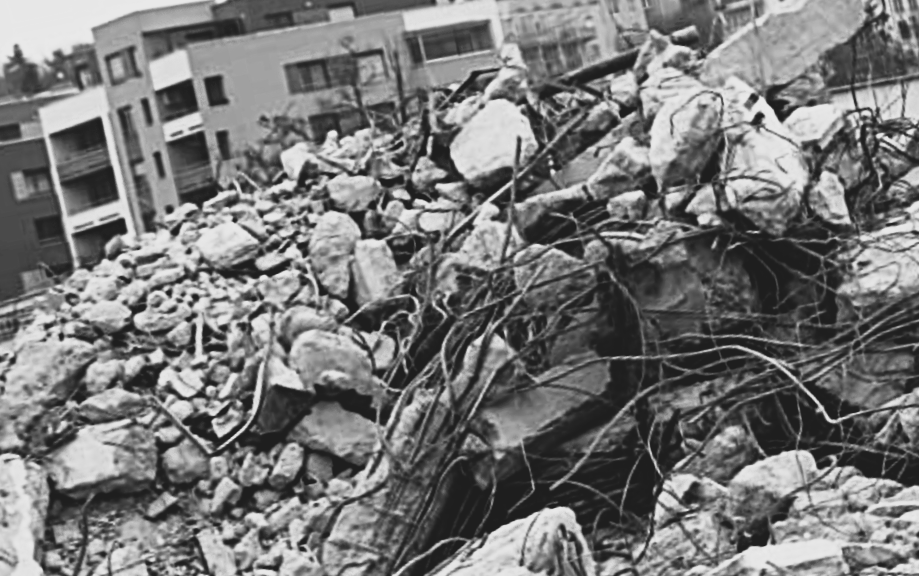
The mountain of rubble that had been home to seven desperate people stood to the ceiling height of the second floor. By a bizarre twist of demolition fate, my double glass doors were stood exactly in their usual position. The only thing in the entire building that had not moved. The rubble backed up behind the doors had supported them perfectly in place, leaving them looking like they still worked.
I joked with Carmen, saying that we could have opened my doors and all of the rubble would have just poured out, comedy style. She could not laugh, but we got photos of my doors and what was our house. Attempting to lighten the mood, we crossed the street to a field full of sunflowers, which were in full bloom. We frolicked in the field and got some nice pictures.
I enjoyed hanging out with Carmen whenever possible. She was splitting up with her boyfriend, and I felt as though I was falling in love, when I received some devastating news from Liverpool. One of my dearest friends, lovingly known as Stanarchist, had passed away. I knew I had to go to his funeral, and, after sleeping rough in the park, Carmen kindly let me spend my last night in Lisbon at her place.
After cooking us some good food, we drank some wine, and I found it difficult to keep my hands off her. The next morning, I needed to leave early for one last TWAT performance. I had to earn the money for the bus fare to the airport. Under pressure, I made twice what I needed in the time that I had, bought some nice hashish, smoked a phat last spliff and rode the bus to the airport.

Stan had reached the ripe old age of eighty-six. He had told me many stories of his war-time experiences as a child. Most importantly, Stan had been a vocal anarchist for decades and was an anti-hero celebrity on Liverpool’s underground. He was also the longest-running BBC Radio Merseyside DJ, who had created and broadcast his show ‘Folk Scene’ for more than forty years. I had hoped that he would outlive me and had agonising anxieties about not being there for him at the end. But, he knew, as well as I did, that Liverpool had been killing me, and my international life had been a life-saver for me.
The previous funeral that I had not attended, my dad’s, had gone horribly wrong, even though I was not there. I had no suspicions that anything could go wrong at the funeral of Stanarchist. How wrong I was. Flying into Liverpool had never excited me, but I would see everyone I knew at the funeral of the much-loved man. Or so I thought.
A mutual friend Anna, in Liverpool, had been communicating with me about the ceremony. Anna and I had been Stan’s closest friends, over many years. I was the only person who had ever been in Stan’s home, to my knowledge. And I know I had the only spare key to Stan’s house, where I slept occasionally. I wanted to recycle his many years’ worth of hoarded stuff and clean up, but he would never let me and got angry at such suggestions. Three of the large rooms in his big house were completely unusable, crammed to the ceilings full of things.
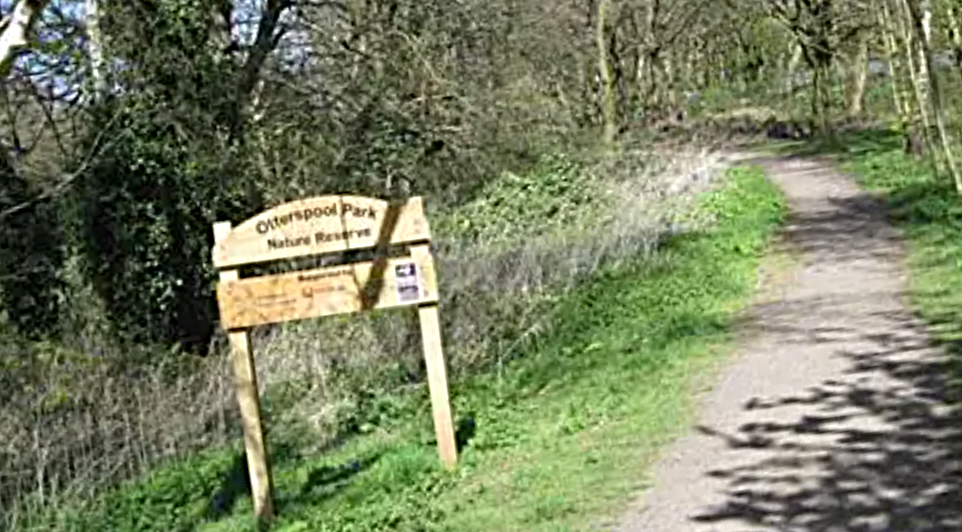
For some reason there was a delay before the funeral. I sent several messages requesting the actual details for the ceremony. Stan had previously said to me, “If they ever try and put me in a nursing home, I will get a gun!” He had also told me that he wanted nothing to do with the church when he died. He said that he just wanted to fall into the vegetation in Otterspool woods, before transcending to nature. He had also told me that he wanted his house to go to the two people that he loved. Anna and me. Not his sister or nephew, who he said did not need it. He had, on the rare occasions that he mentioned his two relatives, told me that you choose your friends not your relatives. They were straight, conformists, and he did not like them. Sadly, none of his wishes were kept.
I kept waiting for responses to my requests for details, but to my astonishment none came. Not wanting to push such sensitive matters, I waited, and waited, and waited. I heard of other ceremonies that had been planned for the Sunday and during the week. The funeral was on Saturday, but on Saturday morning I still had no idea where the venue was to be. Saturday came and went. I was terribly upset.
I messaged Anna early on Sunday, and she finally replied. Her message dumbfounded me. She informed me that the funeral had been a small private affair arranged by Stan’s nephew, held in a church outside the city. Crushingly, she informed me that only Stan’s friends who had been in the city before he had died were invited. I was not invited to my dear friend’s funeral, because I had been out of the country when he died.
On the Sunday, I went to the celebration of Stan’s life that was held in his beloved Palm House in Sefton Park. I cannot describe how difficult it was for me to face Anna, and Stan’s nephew. It took all of my strength not to crack in the circumstances. For Stan had made a special trip to visit me when I lived in Wales, twelve hours of public transport, to tell me something that he said he had never told anybody, but he had to tell me. Which he did. A secret that had chewed away at him inside for over sixty years. Then he told me he wanted to give his house to me and Anna, with no fuss.
I had never told Anna that information. I never wanted to think of Stan dying and actually thought that I would die before him. And the opportunity had never arisen. I thought that he would probably have made a will, but certainly would never have asked. That was early September 2012. By that December, he told me that he was beginning to get dementia.
At the Sunday ceremony, when I met Stan’s nephew, introduced by Anna, she said something that was entirely unexpected. She steamed right in and told the nephew that Stan had paid for my book to be published. Several years before, I had written a small book called Man Cry, which Stan loved, and he had offered to contribute towards the printing cost. He gave me three hundred pounds, because he wanted my book to be ‘out there’. Immediately, I realised that the sentence was all Stan’s nephew needed to hear. I became absolutely irrelevant at the moment Anna spoke. They all just walked away from me. Anna and I both lost half a house, perhaps one hundred thousand pounds’ worth, each!
I had to focus on being positive and strong, knowing that Stan would want me to laugh in the face of other people’s bullshit. Luckily, I had a plan for TWAT to play the Edinburgh Fringe Festival. And my life-time mission was unbreakable. As long as there was a world to change, I had a lot of work to try to do, in my own little way.
Previously:
Jaybo is currently living in a cave in southern Spain. If you would like to contact him, please write to winteroak@greenmail.net and we will forward your email to him.

