This is the first in a selection of chapters from the book King of the Squatters by jaybo which we are delighted to be able to share on Winter Oak. The whole text can be found as a pdf here.
I discovered from my mother, of all people, that my long-term girlfriend, Michaela, had been sleeping around. I drove straight to Birmingham where she lived, struggling to believe the devastating news, tears flowing, ‘Slayer’ blasting on the stereo. Upon my arrival, she burst into tears and begged me to marry her. By this time, I did not consider that I knew much in life, but I knew one thing – that marriage seemed ridiculous and was not for me.
Feeling on the verge of a nervous breakdown I followed a strong intuitive urge to go to the library for a book about anarchism. During my work lunch hour, I went to Liverpool’s central library and asked if they had any books on anarchy. This was before the internet, and a librarian searched through their card index system for some time, humming and harring. Before raising her head looking perplexed. She informed me that the index had fifty-two titles listed under anarchy, but apparently forty-eight of them had been stolen! I could have laughed and cried at the same time.
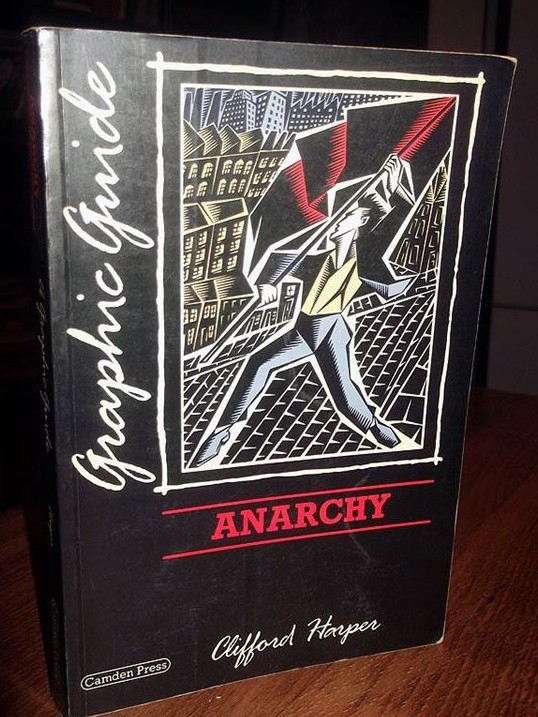
I would hate to upset Cliff Harper, but his Graphic Guide to Anarchy had not enticed anyone. I devoured the book. It changed my life; it saved my life and it inspired my life. To discover an artist’s perspective on anarchism was food for my soul. However, having been conditioned or socialised, like everybody else in civilised society, I briefly remained under the illusion that intelligence was measured by qualifications, universities and academia.
After three years’ employment with a Cambridge graduate, who had so many letters after his name he almost had the alphabet, I felt I needed to read an academic history of anarchy before feeling confident and proficient enough to discuss such lofty ideals with those who held power and authority.
Liverpool had one of my favourite bookshops in the country. ‘News from Nowhere’ was a radical women’s cooperative with over forty years’ experience and a strong anarchist leaning. They had been firebombed and attacked by fascists several times, but just kept getting stronger. There, I found Peter Marshall’s huge book Demanding the Impossible. A History of Anarchism. Peter was a university philosophy lecturer and I eagerly read his eight-hundred page epic history of the anarchists’ struggle for freedom and equality. Then I was ready to take on the world.
I actually had my own office at work, with a big, old, wooden desk that angled in around me at each end and a large sash window that looked out onto the hustle and bustle of the street below. My mum was so proud, and for my twenty-first birthday she had bought me a dark green, leather writing block with fake gold embossing around the edges. My promotion, supposedly, from working class to middle class – because then I had become a surveyor, not a dole scrounger or labourer or joiner – pleased my mother greatly. She pushed me harder than ever to pass the exams, no doubt in the hope that one day I would earn lots of money and be able to help her out with her never-ending mortgage payments.
But with each day I was nearing liberation from the rat race, emancipation from a slave mentality. The most important thing to me was reading my big new book of anarchy. I did not finish it; I did not need to. I had fully discovered my calling. I was an anarchist through and through, and there was nothing anyone could say or do about it. It was not long before I knew I had to dedicate the rest of my life to the long and ongoing struggle for dignity and liberty, for anarchism. I was a dreamer and knew that without dreams and dreamers nothing would ever change for the better.
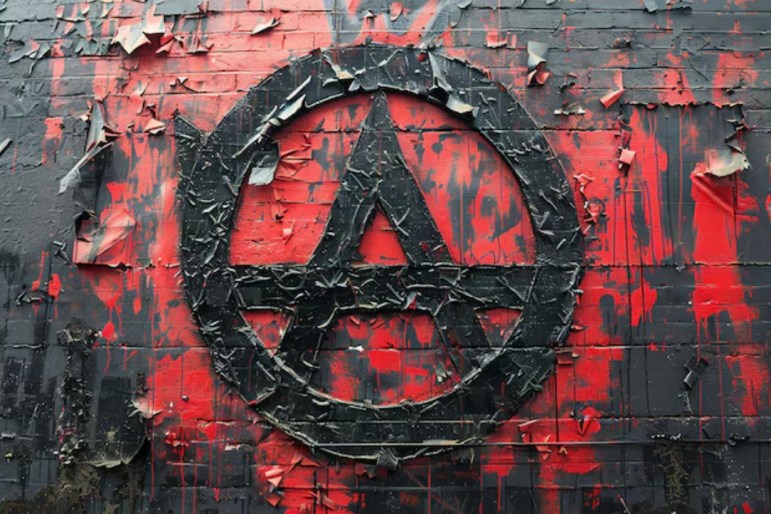
I believed the word ‘anarchism’ was the most ‘blackened’ word in modern history. No pun intended. Followed only by ‘feminism’. The powers that be had good reason to tarnish a ‘philosophy’ that was based on transcending their power and control, and putting it into the hands of the ordinary people.

I read everything I could on anarchist history and practice, including work by Noam Chomsky, Emma Goldman, Peter Kropotkin, Louise Michel, Errico Malatesta, Ethel Macdonald, Mikhail Bakunin, Voltairine De Cleyre, Nestor Makhno, Buenaventura Durruti, William Godwin, Mary Wollstonecraft, Elisee Reclus, and The Bonnot Gang. I did not like the restriction of labels but considered anarchism to be the label beyond labels. It saddened me that people could be scared of a word, whether spoken or an inky pattern on paper. Yet many books had been burned, and dreamers killed, in the struggle for freedom and equality.
The anarchist Class War (CW) federation were strong and notorious then, selling 10,000 copies of their paper, each fortnightly issue. I liked CW, as did many Merseyside anarchists, and seriously considered joining them. But I felt unsure as to how seriously they were being taken by ordinary people. Some saw CW as a bit of a joke, only out to shock, rather than to actually help transform society.
The only other anarchist organisation that I was aware of was the Anarchist Communist Federation (ACF). Only a few years before, I thought I had invented communism. Since then, I have met a few other well-intentioned folks who have also invented communism. Around that time, I also became vegetarian. I wanted to live as respectfully and responsibly as I could, treading lightly and simply on the earth. I believed in liberty and dignity, freedom and equality, cooperation and mutual aid. I believed we could run our own lives.
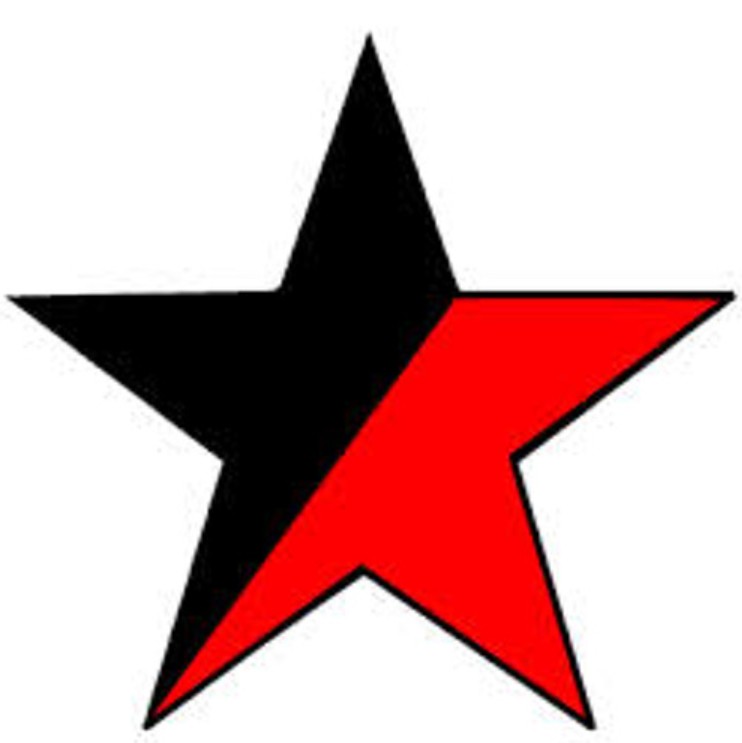
I knew I was an anarchist born and bred, but the word ‘communist’ was not my favourite. However, I sent my subscription fees, and joined my third ever group, after the Dennis the Menace Fan Club and Greenpeace: the ACF. Expecting perhaps five hundred members, I was gutted to discover they only had fifty. When I joined, three other people had also joined from Merseyside, so we met up to form a local group. The national group got very excited, thinking that insurrection was brewing in Merseyside.
I plunged head-first into the ACF, so excited to find out what other anarchists were like in the flesh. Sadly, it was disappointing, and I was much more comfortable amongst the autonomous Merseyside Anarchist Group (MAG), who were solidly working class and no fans of the ACF. At my first MAG meeting, in The Irish Centre, I spoke to Shane, the first vegan I had ever met, and we became friends. Another guy asked if anyone wanted to help him smash up his abusive boss’s flash Jaguar car. I nearly offered but felt a bit shy at my first meeting.
Our Merseyside ACF group were more than family to me, and I loved them all dearly. I will call them Laura, Rick and Morty. Laura and I were in our early twenties, and she was a wonderful poet but struggling with her mental health. Rick was ten years older than me. He called everyone comrade, which embarrassed me deeply, but he was dedicated and had a little car which he drove all over the country to protests and conferences. Morty was twenty years older than me and the dearest human being I had ever met.
The four of us initially attended everything we could, for joining the ACF was a hugely important decision for all of us. Sadly, Laura became incarcerated in the mental health system for a while, but Rick and Morty became entrenched in my life. I believe we would have all died for each other, and the cause, at the time.
On my first trip to London with the guys, I had to visit Freedom Books, the oldest anarchist bookshop who printed Freedom newspaper, the oldest anarchist newspaper on the planet, running for over one hundred years. I bought Peter Kropotkin’s The Conquest of Bread, William Godwin’s Enquiry Concerning Political Justice and Marie Berneri’s Journey Through Utopia. The Advisory Service for Squatters had their office above the shop. As the building had a huge crack in it, I offered to become the Freedom surveyor, saying I would inspect the crack every time I visited the capital. That weekend, I experienced my first squat party, in a huge, packed building in Hackney.
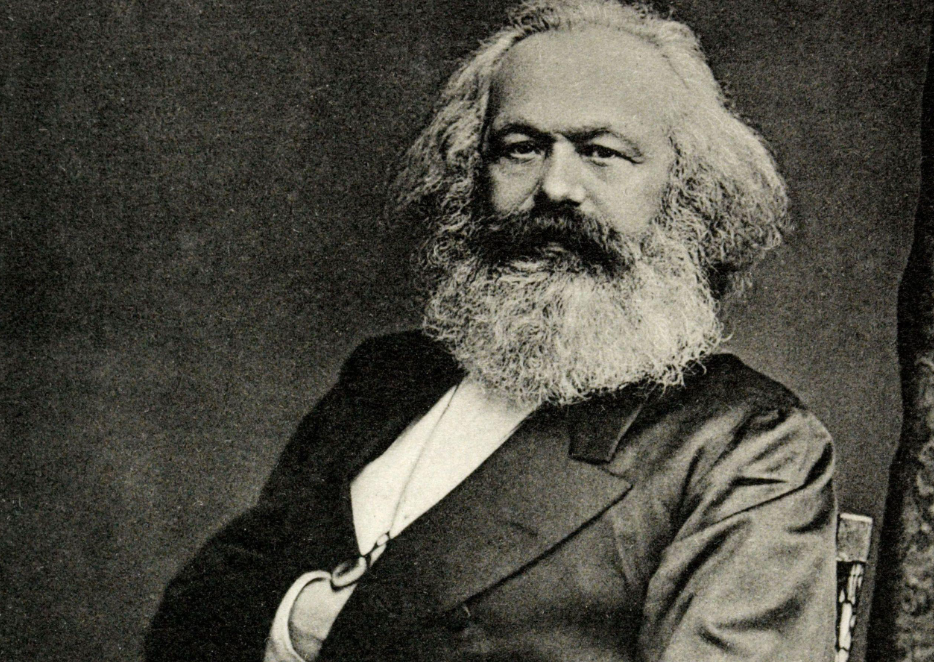
Rick and Morty were very different people, but they both blew me away in their own ways. Of all the ACF members, I got on with these two the best. I struggled to become friendly with other ACF members and quickly recognised obvious but unspoken hierarchies and leaders. It was also disappointing for me to hear Karl Marx’s Das Kapital, Volume Two discussed more than any anarchist book. They pressurised me to read it, so I never did.
Also from the book:
Never Accidentally Offer Luxury Recycled Cream Cakes to Portuguese Vegan Punks!
Jaybo is currently living in a cave in southern Spain. If you would like to contact him, please write to winteroak@greenmail.net and we will forward your email to him.


Great read, looking forward to the next chapter – Merseyside triggered a few memories, and home made ales on Sunday afternoons.
Communism is a frequent topic of late, namely that the system of the EU in Brussels is identical to that of communism.
LikeLiked by 1 person
Yes, I think Esc wrote about that? Makes sense, since it’s the same criminal system. (pc)
LikeLiked by 2 people
Esc is not on my reading list but good sources keep referring to ”him” it was through Michael Yeadon and linked to the video.
LikeLiked by 1 person
Thanks for that
LikeLiked by 1 person
I’ve found a few more where the present usury based economic system in being equated to Communism, earlier on this week Brian Gerrish from UK column talked to Medeleine Hunt a woman who lived under Communism in Poland and recognized it for what it is. [I suspect you might be a regular visitor to the site] https://www.ukcolumn.org/video/uk-column-news-31st-august-2026
Earlier today listening to Rick Sanches & Ann Van Der Steel also arrive at a identical conclusion then go one better and nail it down to the Bankers in that private sq mile in the city of London and we all know where that leads.
https://www.rt.com/shows/sanchez-effect/644923-vandersteel-america-decline-reality/
F
LikeLike
And thanks for those as well!
LikeLiked by 1 person