by Najm Al-Dīn
In recent months, support for the UK’s Green Party has surged, fuelled largely by Labour’s rightward shift.
From punitive welfare reforms and hardline immigration rhetoric to a newfound emphasis on deregulation, Labour’s fiscal conservatism has alienated its traditional voters, including many Muslims who are backing the Greens ahead of the May 7th local elections.
The Green Party
Blending environmentalism with social and economic progressivism, party leader Zack Polanski is prioritising the cost-of-living crisis and climate change.
His Green New Deal pledges to tax the wealthiest 1% to fund essential services, including universal childcare, while setting an ambitious target for London to reach net zero by 2030.
Muslim support for the Green Party is largely driven by Labour’s complicity in the Gaza genocide, mobilising voters toward a pro-Palestinian platform.
However, I fear our community is overlooking a concerning dynamic about the party by failing to scrutinise the broader agendas of those leading the environmental crusade.
SDGs
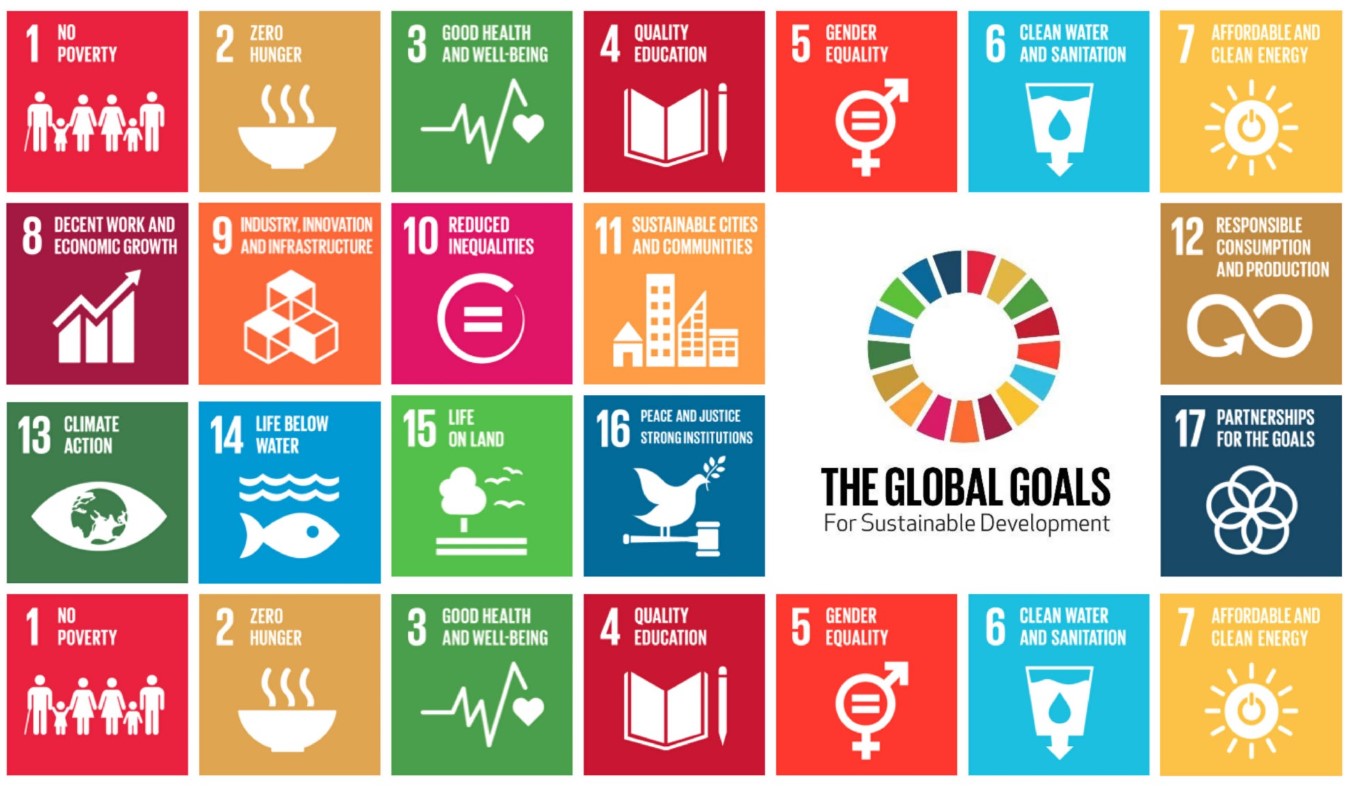
Most climate change proposals rely on a multilateral commitment to the UN SDGs (Sustainable Development Goals).
Hailed as a blueprint for human progress, these 17 targets – adopted by 193 member states for completion by 2030 – were shaped significantly by private corporations and demand transformative changes across various sectors including education, healthcare and biodiversity.
The initiative argues that radical lifestyle changes are necessary to reverse the impact of man-made CO2 emissions. However, beneath this polished narrative lie mechanisms that, once operational, threaten to reconfigure our lives at the expense of human freedom.
Stakeholder capitalism
As public funding falls short of 2030 SDG targets, the reliance on private capital is granting corporations disproportionate influence over public policy, blurring the already fragile separation between elected governments and private interests.
Now acting as de facto societal trustees, conglomerates can leverage their financial weight to push the UK government toward investor-friendly SDG projects.
Under the benevolent guise of ‘stakeholder capitalism’, Davos elites have purported to shift focus from maximising shareholder value to prioritising the long-term interests of communities and the environment.
In doing so, these unelected powers are actually conditioning the public to accept a considerable transfer of power to private regulators through a multi-stakeholder model of governance, which empowers a cross section of the world’s elite to act as important arbiters of policies ranging from climate change and resource allocation to inflation and employment.
Simply, the stakeholder capitalist model positions a cadre of wealthy hedge funds, billionaire philanthropic foundations, oligarchs and titans of industry with no democratic mandate as the new agenda-setter for governments pledged to net-zero.
It not only threatens to replace representative democracy with a top-down, technocratic governance but also dismantle the free market and free enterprise system by concentrating economic power and decision making among a network of approved participants through a consensus-driven collective governance model which will be granted an outsized role in directing economic activity.

Tokenisation
To meet net-zero targets, public-private partnerships are piloting ‘tokenisation’, where real-world assets are represented as digital tokens on a blockchain. This technology allows assets to be fractionalised and traded instantly 24/7, bypassing traditional intermediaries.
In a net-zero economy, citizens could be issued fixed carbon credits on Digital IDs to cover essentials like household energy and transport. These credits must be surrendered when purchasing high-emission goods, such as fuel. Those who exceed their limit would be forced to purchase surplus credits, creating a digital system of control over daily consumption.
By leveraging technology to track and trade personal carbon usage, tokenisation creates a transparent, immutable record of every citizen’s carbon units, integrating data reporting directly into financial instruments to ensure strict compliance with sustainability targets.
While proponents tout this scheme’s efficiency and convenience, tokenisation poses a significant threat to financial liberty and personal privacy.
Programmable money
The danger of tokenized finance is its core mechanism: programmable money, examples of which include Central Bank Digital Currencies and Stablecoins.
By embedding logic into the currency, institutions can actively enforce SDG compliance by executing payments when predefined conditions are met. Through data-driven smart contracts, this technology enables authorities to track, restrict or condition how, when and where our money is spent.
Digital panopticon
Though masquerading as decentralized, tokenized finance lays the foundation for a digital panopticon.
As every transaction is recorded on an immutable, state-accessible ledger, authorities can freeze assets, deny transactions and restrict access to public services without due process if individuals violate ‘sustainability’ guidelines. This tech infrastructure effectively converts programmable money into a tool for centralized behavioral control.
With the Iran war sparking a global energy crisis and accelerating an era of green austerity, the rush toward net-zero threatens to trap populations in a hyper-surveillance grid which risks reducing human life to a series of data points, measurable outcomes and targets to be surveilled at a granular level.
As food and energy scarcity push us toward a rationed economy, our digital footprints – from travel and consumption to online purchases – will likely be monitored in the future to track compliance with SDGs.
In fact, Keir Starmer’s recent advice for the public to reconsider holiday and shopping habits may well be soft conditioning for this newly emerging control grid which has all the ingredients of a trojan horse for technocratic control, fostering total dependence on centralised digital systems and allowing the state to become increasingly adept at measuring, monitoring and managing population behaviour.
UBI
As supply chain vulnerabilities intensify and energy crises fuel stagflation and mass unemployment, governments will likely turn to Universal Basic Income (UBI) to manage the crisis.
While framed as a moral imperative to combat climate change, this approach risks significant mission creep as UBI could devolve into a tool for enforcing compliance across all human actions via programmable money.
It would not merely condition income on ‘low-carbon’ activities – such as restricted energy consumption or public transport use – but could extend to non-climate-based, ‘human-centric’ SDGs covering education, healthcare and employment, all of which are being architected without democratic oversight. Ultimately, this grants policymakers the power to socially engineer nearly every aspect of our lives, limiting transactions and circumscribing behaviour to what they deem ‘essential’ services.
Therefore, the convergence of programmable money, ubiquitous surveillance and conditional welfare significantly curtails our financial freedom. By nudging citizens toward forced behaviors, this framework establishes a social credit-style system of rewards and punishments based on strict compliance with approved actions, where access to essentials like food, housing, benefits and public services is increasingly conditioned on behavioral alignment with SDGs.
ESG
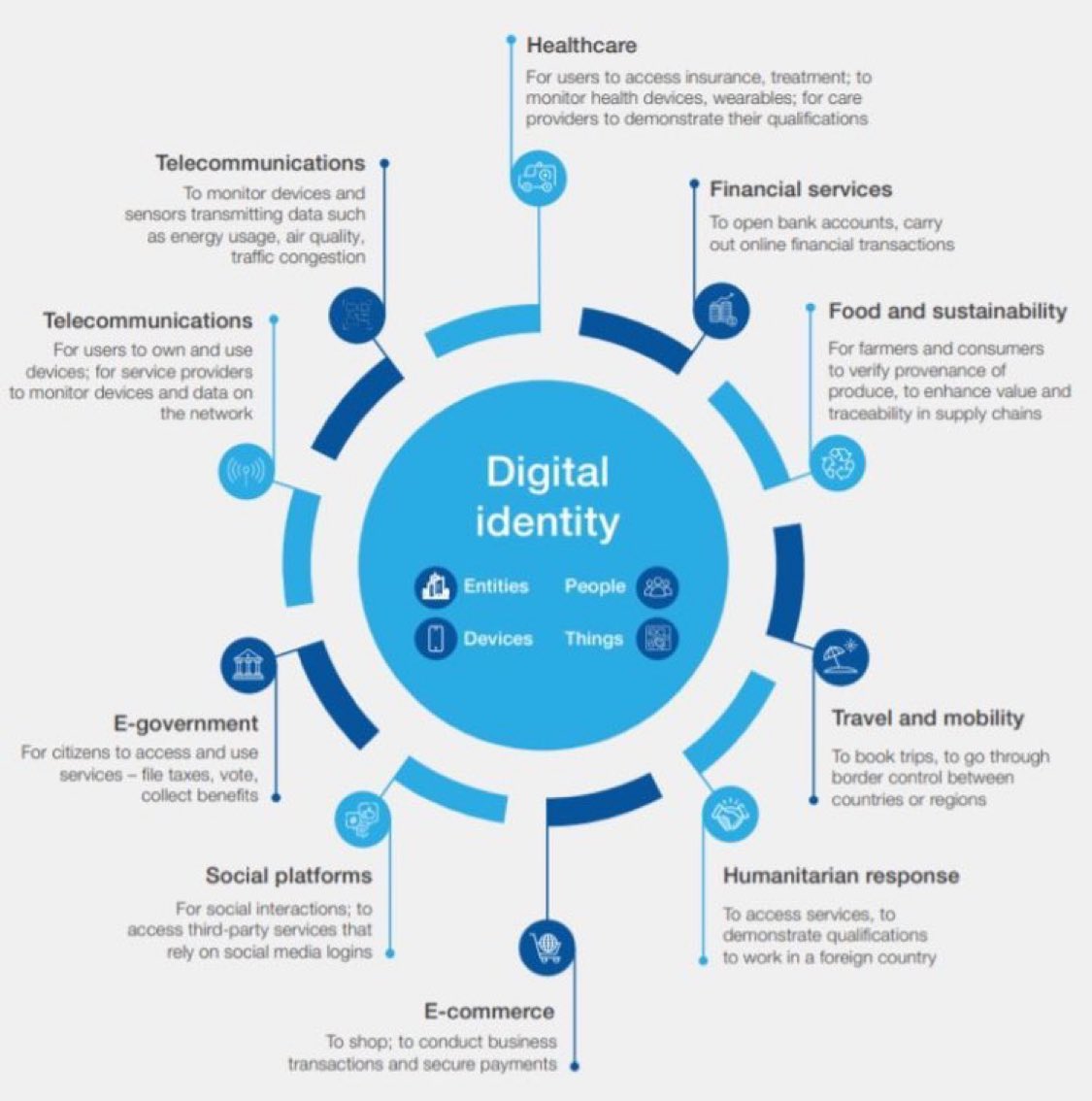
Worse, UBI and blockchain powered Digital IDs threaten to integrate citizens into a new corporate value chain, where value is earned and transferred through crypto-economic systems.
As the energy crisis reaches unsustainable levels and consumer confidence dwindles, the transnational plutocracy will undoubtedly be seeking alternative means of circulating capital for a generation saddled with debt.
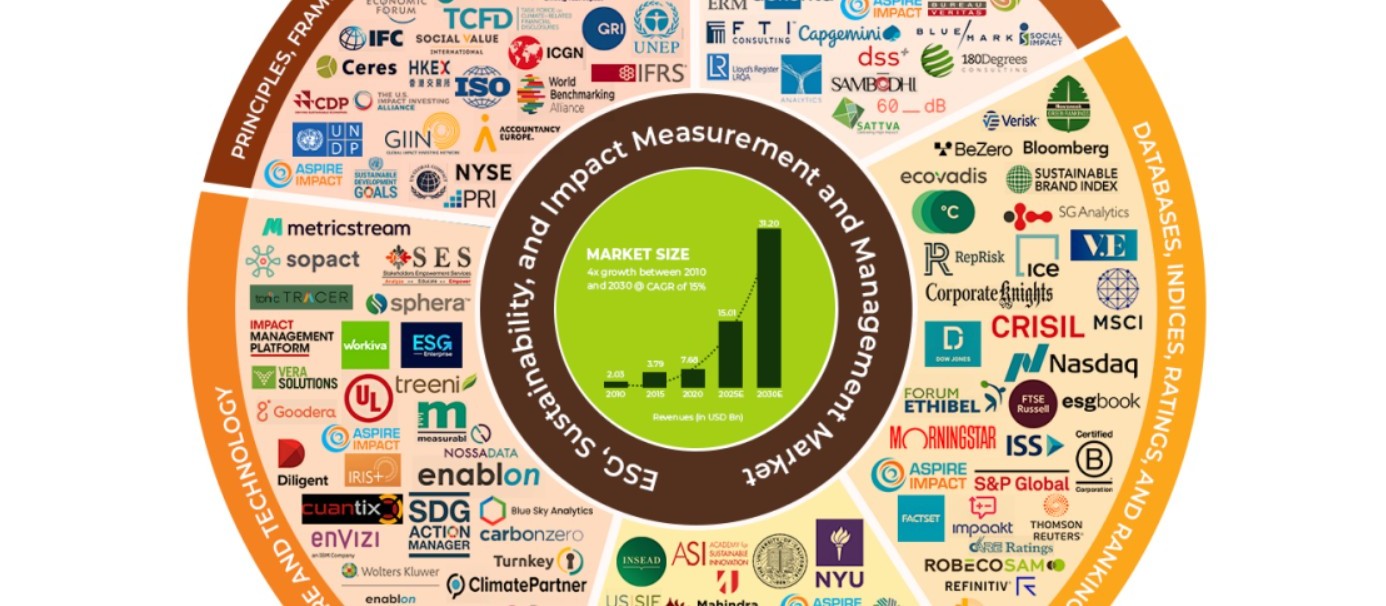
Enter ESG (Environmental, Social, and Governance) markets, widely tipped as the future of financial operations, where business and investment strategies are guided by a company’s performance across environmental, social and governance factors.
ESG markets – forecasted to grow to over $125 trillion by 2032 – are already being pitched as a framework for responsible and sustainable corporate behavior and managing the disruption caused by the energy crisis.
Among the barriers impeding investors thus far include a lack of standardised data and the absence of a reliable instrument for measuring the ESG impact of investments over time.
However, with efficient data-capturing platforms like blockchain, which have a unique ability to store and transfer value between digital identities in financial services and allow real-time auditing of ESG metrics and impact verification, scaling may no longer be an obstacle.
By verifying SDG outputs and measuring ESG impact, this evidence-based investment apparatus operated by global hedge funds amounts to a surveillance-driven financial system which prioritises investor returns and leverages economic downturns for further privatization under the guise of environmental stewardship.
Once the infrastructure is ready, intrusive carbon accounting and draconian net zero targets for businesses, educational institutions, individuals and households will be dressed as the only rational response to supply chain fragility and energy insecurity.
So as the world decarbonizes, it simultaneously becomes more manageable by financial elites who can achieve their success metrics by using emerging technologies to nudge us toward desired behaviours, not necessarily of our choosing.
The inevitable outcome is a system of structured control where economic transactions cease being voluntary exchanges and our actions are designed to reinforce the stakeholder capitalist consensus through AI algorithmic reinforcement, incentivisation, tokenised rewards and operant conditioning.
If this social and economic contract materialises, any expression of dissent and capacity for resistance will be unviable, not due to legal coercion but simply because going against the grain would have been engineered to be economically disincentivised and socially disadvantageous.
This places the British public and all nations pursuing the UN 2030 SDGs on a dangerous trajectory, as the real-time surveillance and data harvesting of populations within smart cities equipped with Internet of Things sensors and an all pervasive AI biometric analytic system is reframed as a matter of national security by transnational global capitalists, who are bent on controlling not only what we buy and sell but also what we think and believe.

Circular economy
If the World Economic Forum’s prognostications are accurate, a ‘regenerative’ system based on the SDGs is set to replace our industrial economy.
Often called the ‘circular economy,’ this model prioritises the continuous reuse of materials to minimise resource demand. However, it is naive to assume a system engineered by billionaire elites is primarily designed to tackle waste or inequality.
Instead, it risks replacing public ownership with a ‘subscription’ consumer model through regulatory capture, where stakeholder capitalists possess the financial means to own and maintain products throughout life cycles while consumers shift from owning assets to sharing, renting, reusing and recycling them to achieve carbon neutrality.
Ensnaring governments within this predatory global system centralizes power among unelected elites, who can exercise full spectrum dominance and unprecedented control of our lives by dictating production, controlling distribution and dismantling private ownership rights.
Conclusion
To Muslims and all others considering the Green Party, zoom out for a second and reflect on the new normal we are sleepwalking into.
While stewardship of nature is a duty borne by faith and humanity, caring for the environment must be done from a place of compassion and justice and not as a ruthless data-harvesting exercise which cedes all power to Big Tech and rapacious corporations looking for new sources of value extraction and profit.
Net Zero is being weaponised to erode sovereignty, enforce draconian social controls, consolidate wealth among the elite by cannibalising SMEs [Small and Medium-sized Enterprises] and squeeze the middle class toward asset forfeiture.
When the WEF predicted that by 2030, “you’ll own nothing and be happy,” they were likely conditioning the public for this latest version of shock therapy concocted by venture capitalists, where financial autonomy is a thing of the past and everyone and everything is scored, ranked, sorted and data mined as part of a broader value chain designed to commodify human services through narrow curated pathways.
Therefore, I doubt the rise of populist socialist parties like the Greens is any accident.
They’re likely a trial balloon for a seismic economic shift, as we hurtle towards a “Green” New Order.



Greed or ‘Green’, the choice is obscene.
Greed or ‘Green’, a Corparasite wet dream.
LikeLike
Nice!
LikeLike
Excellent writing here. The greens are also pushing gender ideology, a couple of friends in Scotland quit the party because of this and Andy Wightman also left after a they/them scuffle.
As 2030 approaches, what better way to propel us towards “net zero” than a manufactured energy crisis?
Hearing that phrase reminds me of the “year zero” proclaimed by the Khmer Rouge, hey that was a reset what?
LikeLike
I agree largely with this very well and clearly written article. I would add that we have been aware of most of the points now for well over fifteen years – possibly more, although the implementation of the policies is now far more obvious. However, it is not just a Green Party thing. Both Labour and the Conservatives have played the “Trojan Horse” role for far longer. They served their purpose on behalf of the elites or “chief ovids”, and now they’ve simply been replaced by new puppets and useful idiots.
LikeLiked by 1 person
I don’t suppose the author would claim that Green Party are to blame for the whole globalist agenda, but different parties can be used to accelerate certain areas of that agenda – which would otherwise meet public resistance – under the pretext of a general consensus “proven” by electoral success, even if that aspect of their programme is not why people were actually voting for them! Paul C
LikeLiked by 1 person
Well, the title would kinda suggest that the author would.. I guess that’s the problem with click bait. However, it otherwise seems we’re on the same page.
LikeLike