by Paul Cudenec, who reads the article here
When I had finally finished writing my recent series of articles about the grotesque politico-paramilitary circus of neofascists, communists, anti-communists and Zionists, I went for a walk.
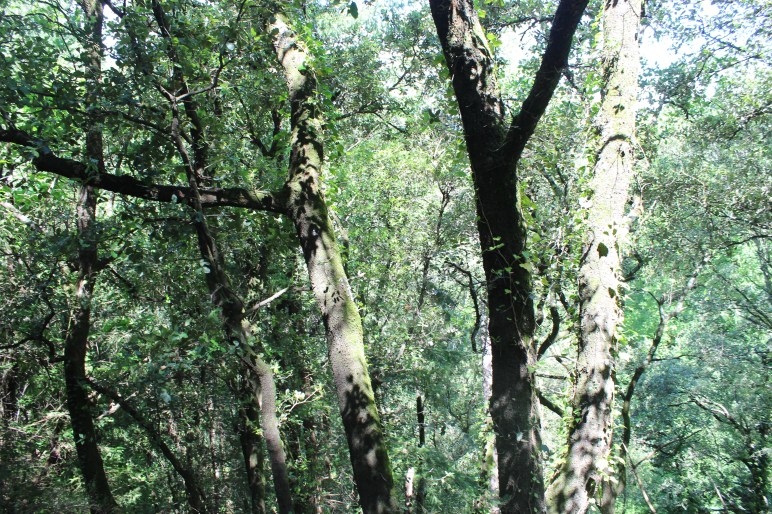
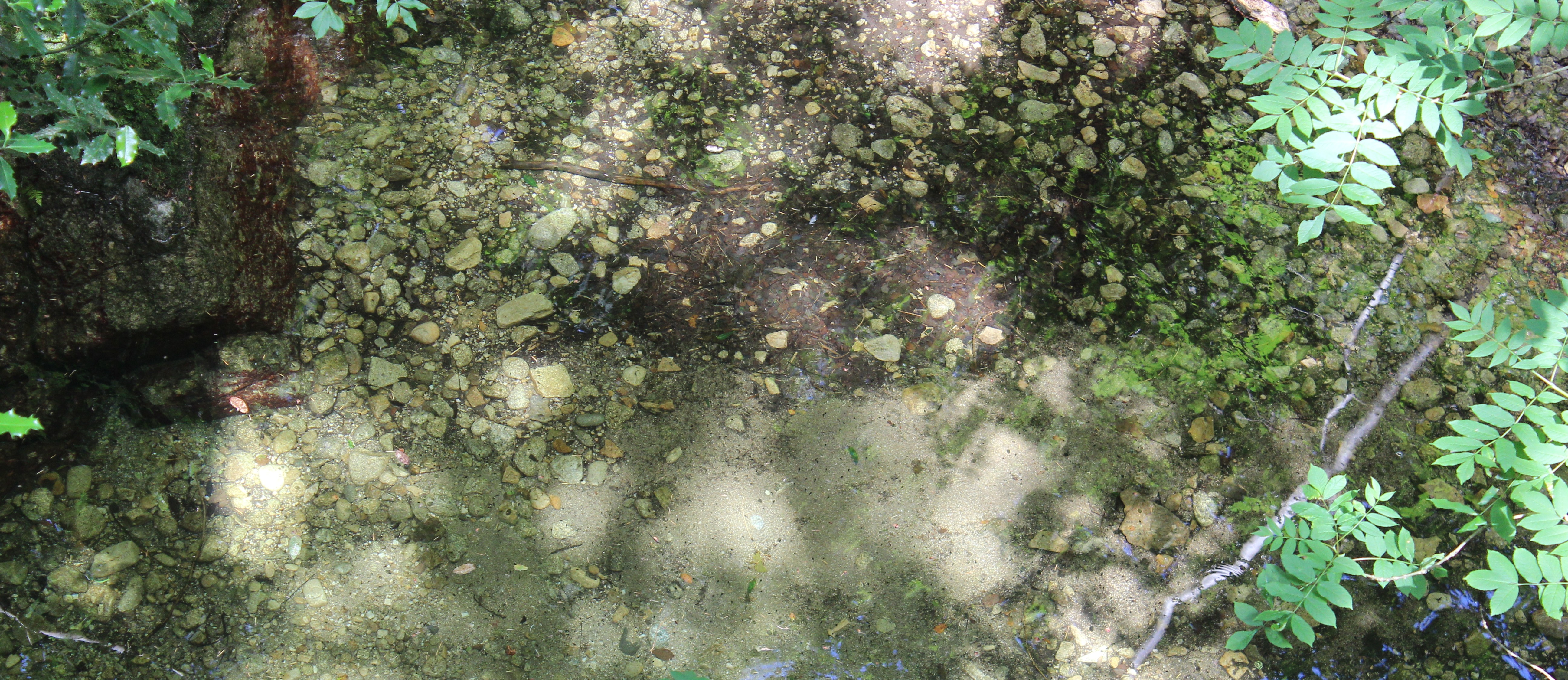
Since there was no sign of any other human presence in that secluded forest valley, I took the opportunity to strip off and plunge into a deliciously cold stream.
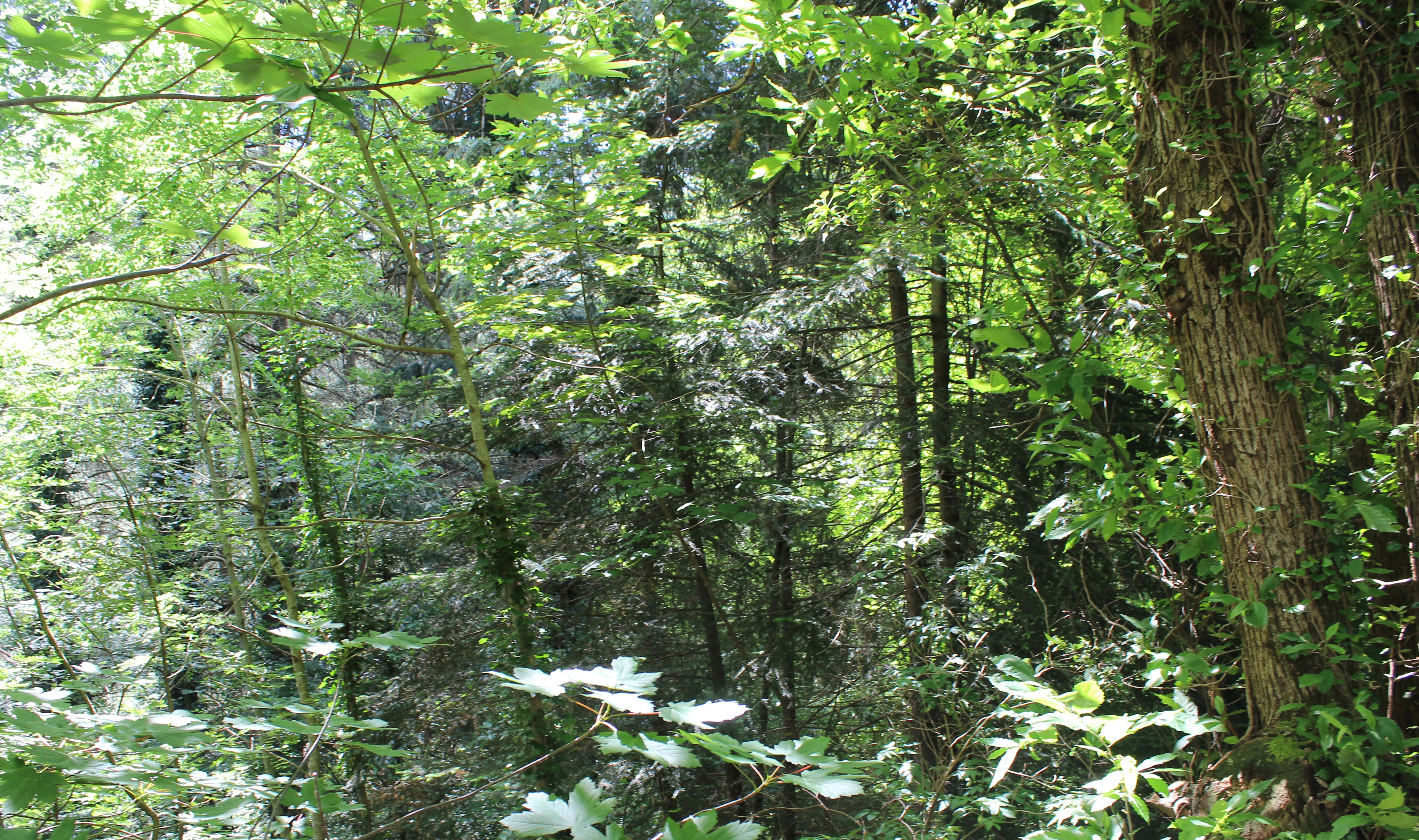
As I sat on a rock drying off, serenaded by the gurgling water and the birds, soaking up the succulency of sunlight-dappled greenery, I became deeply aware of how different my own view of life is from that of the people I had been writing about.
It struck me that this was not just a question of superficial political opinions but of an underlying way of seeing things and I found myself trying to define the real fundaments of my own worldview.
I came to the conclusion that there are two main pillars to my personal outlook.
The first could be called either “self-determination” or “freedom”. At the top of the scale this points to a belief that any given country has the right to decide how it runs itself internally, without interference from international institutions or “global governance”. It is an anti-imperialist attitude.
At a lower level, it refers to the freedom of a community to determine how it wishes to organise itself, without interference from a central nation-state – and not to have anything forced on it against its will.
This principle also means people should have free access to the land so that they can feed themselves and do not have to sell their labour to somebody else in order to survive, which is another form of compulsion.
It further implies that families should be free to bring up their children according to their own values and should not be made to surrender them to brainwashing “educational” institutions.
And, of course, at the bottom end of the scale it refers to the freedom of the individual not to be coerced by “authority” into doing anything he or she does not wish to do, whether that be fighting in a war, carrying digital ID, taking a jab, wearing a mask or complying with officially approved thinking.
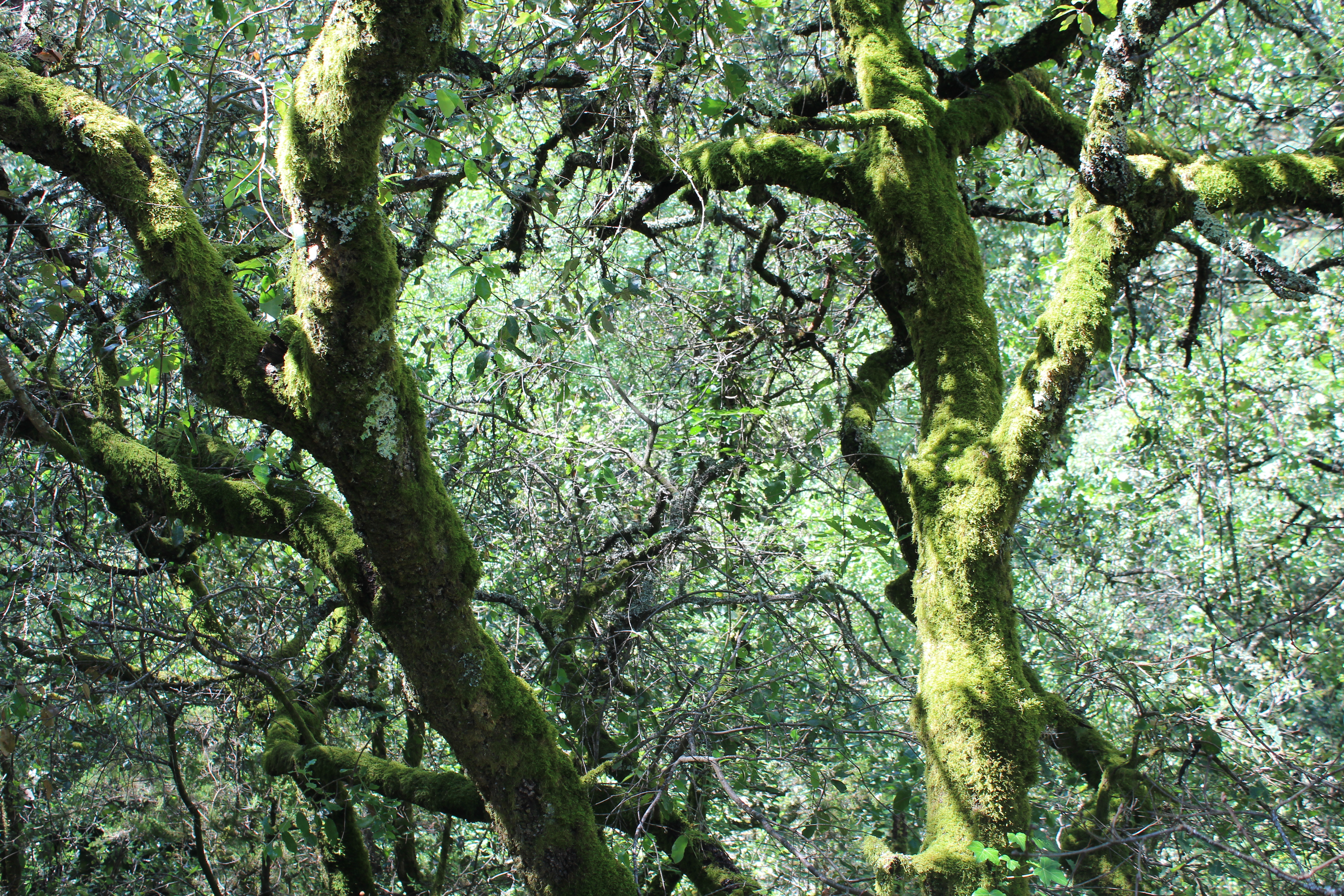
The second pillar I would call “love of nature”, although this is a love that, in truth, amounts to veneration. For me, nothing is more important than the living world. It is the divine made real, the source of all good, all truth, all beauty.
As a human part of the natural Whole, I know that my role is to do all that I possibly can to defend it from other human beings who wish to do it harm.
An additional element is created by the fact that my outlook combines these two pillars.
One might picture this as a third factor, a horizontal plinth resting on and connecting them, or alternatively as the uniting of the two pillars into one single edifice – in either case, I would call this element “organicity” or even just “life”.
It is easy enough to see how this principle embraces the love of nature, but perhaps not so obvious with regard to freedom and self-determination.
So I will explain that the reason why I am opposed to top-down authority of all kinds is that I know this runs counter to the natural and organic order whose symbiotic harmony not only does not need so-called authority in order to flourish, but is prevented from doing so by any such artificial interference.
I know that the removal of this authority would not lead to chaos, as we are usually told, but simply end the obstruction and constraint which prevents us from being what we are capable of being, both individually and collectively.
All of this obviously positions me very far away from the industrial totalitarianism of fascism and communism – and indeed from every other recognised political movement! Indeed, I cannot think of a single such ideology that is based on even one of my two pillars, let alone both.
One might have thought that anarchism would embrace the first pillar, but we saw during Covid that many of its contemporary representatives treat insistence on individual freedom as selfish, anti-social and “right-wing” behaviour, while the movement is very wary of any “nationalist” calls for self-determination, preferring an “internationalism” which is really a disguised form of imperialism.
As for the mainstream environmentalist movement, not only is it quite keen on crushing individual freedom in the name of the “climate” scam it helps run, but it generally approves the use of technological “solutions” and stays well clear of criticising industrial society as a whole, such a viewpoint being regarded as dangerously “reactionary” or “fascist”.
Everything else, on the “left”, “right” and “centre”, accepts the supposed necessity for central states, international institutions and never-ending “development”.
None of the political ideologies that are currently recognised today, of whatever variety, can ever lead us out of the destructive and increasingly totalitarian modern system because they are all safely contained within the framework of its vitaphobic mindset and prostrate themselves before its demon-gods of statism and “economic growth”.
Our only hope is to counter the industrial death-cult with a cultural rebirth inspired by a quite different way of thinking, one which is not based on any of the assumptions which the system wants to impose on us.
This is sometimes called a biocentric approach, but I prefer the earthier English term life-rooted, which I will be using from now on.


Dear Paul
I never comment on articles but this one is another example of your valuable work that I want to wholeheartedly thank you for.
Being stuck in this globalist system and having to provide for a family it is often enough difficult to not lose hope for a better (in so many aspects better) life for us and our children.
This little note is to confirm that your words/work are worth their weight in gold, Paul.
Thanks a lot.
Best wishes,
Michael, Edinburgh
LikeLiked by 1 person
Thank you Michael. Much appreciated. Paul
LikeLiked by 1 person