by Paul Cudenec, who reads the article here
The relationship between historical fascism and “the left” is a complicated one, as witnessed by the fact that Italian dictator Benito Mussolini began his political career as a “revolutionary socialist”, thereby winning what French historian Henri Michel calls “the sympathy of Lenin”. [1]
Additionally, as I have previously noted, the future fascist’s mistress, between 1900 and 1910, was Angelica Balabanoff or Balabanova (1878-1965), a Bolshevik activist who became secretary of the Comintern (Communist Third International) from 1919 to 1920. [2]
His regime appears as the mirror opposite of “left-wing” values – Michel points out that “by the suppression of trade unions and the outlawing of strikes, the system consolidated the social imbalance in favour of the possessors”. [3]
And anti-communism was as central to fascist rhetoric as anti-fascism was to communist rhetoric in a “binary bounce” [4] that hid an underlying connection – as Hannah Arendt said, they were two sides of one totalitarian coin. [5]
Michel comments: “It is true that, on occasions, communists and fascists have been able to agree, sometimes as ‘objective allies’ against the same enemy – liberal democracy; the Strasser brothers foresaw a long-term entente between Hitler’s Germany and the Bolshevik USSR, an entente that Hitler and Stalin put into practice for tactical reasons at the time of the non-aggression pact of August 1939.
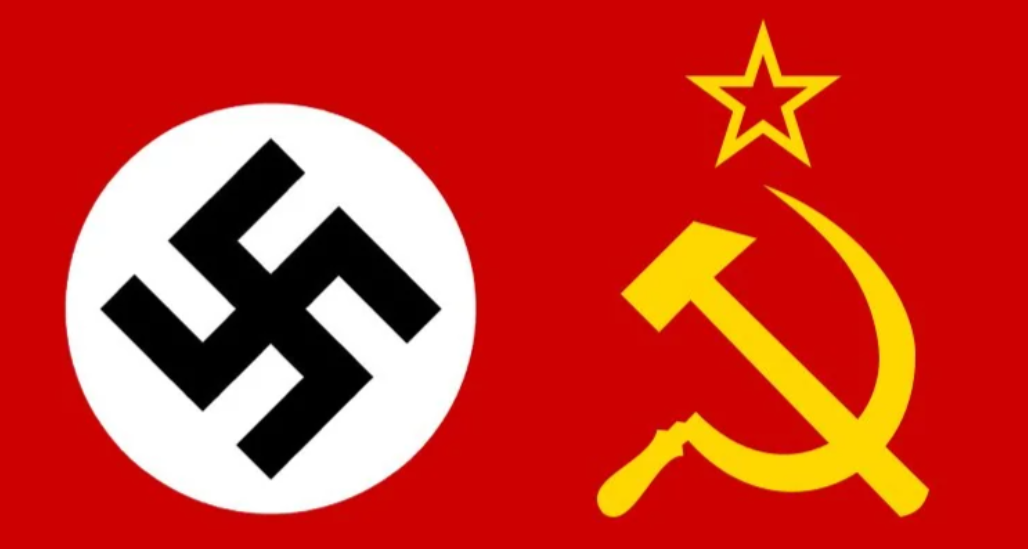
“Hitler, who had sometimes spoken in praise of Stalin, went even further in suggesting to the USSR that it and the Axis powers should share the world between them”. [6]
As far as Mussolini is concerned, the German historian Ernst Nolte has argued that his early socialism stayed with him throughout his life, although it only became visible again when he headed the Nazi-backed Repubblica Sociale Italiana (Salo republic or RSI) in the north of Italy from 1943. [7]
Some “socialist” policies had previously been rolled out under Mussolini, such as a state health insurance scheme with very low levels of financial contribution, explains Michel. [8]
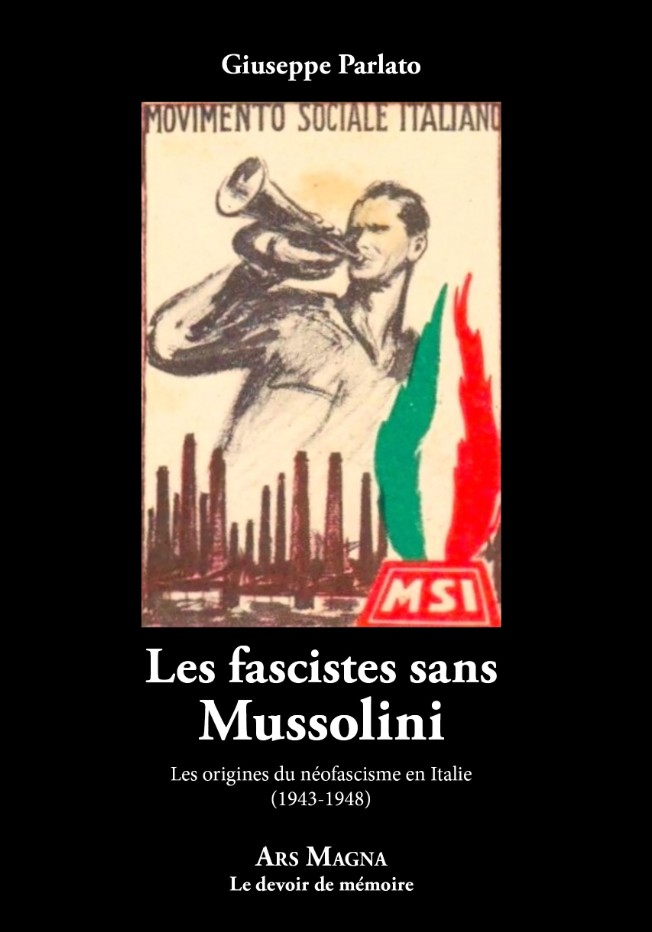
Giuseppe Parlato, in his book Fascisti senza Mussolini (‘Fascists without Mussolini’ or ‘Les fascistes sans Mussolini‘ in the French translation I am using), which looks at the origins of Italian neofascism in the 1940s, is sceptical about the significance of this “social” aspect.
“Regarding the Repubblica Sociale Italiana, its revolutionary and ‘left-wing’ component has regularly been presented as central, as an important result of the revolutionary tendency present in the regime.
“We should remember that this component was, I would say, a minority part, in the same way as it did not represent a majority in the Ventennio [the 20 years of fascist rule from 1923 to 1943]. The ‘fascist left’, which could be found in the youth and trade union milieux and displayed talent and anti-conformism, was in a minority within the state administration.
“The real majority in the public fascist administration, to the point that it largely determined the regime’s directives, at least until the Ethiopian war, was the national-conservative component, which never wanted to impose a completely totalitarian system (in contrast with the hyper-totalitarianism of the left)…
“Some of its representatives went as far as imagining a ‘transitory’ fascism, ready to go back into the fold of the status quo and the liberal state as soon as its emergence was complete”. [9]
Parlato mentions a number of these “left-wing” fascists in his long, fascinating and meticulously researched account, which draws on not only a vast amount of literature on early neofascism, but also on personal correspondence, police and intelligence files and interviews with some of the surviving participants.
He tells, for instance, of the Sardinian Antonio Pigliaru, who was a young disciple of fascist philosopher Giovanni Gentile before turning to the left, and of Ugo Spirito, another of Gentile’s pupils, who went on to express “his passion for Chinese communism, which he saw as the only truly revolutionary communism”. [10]
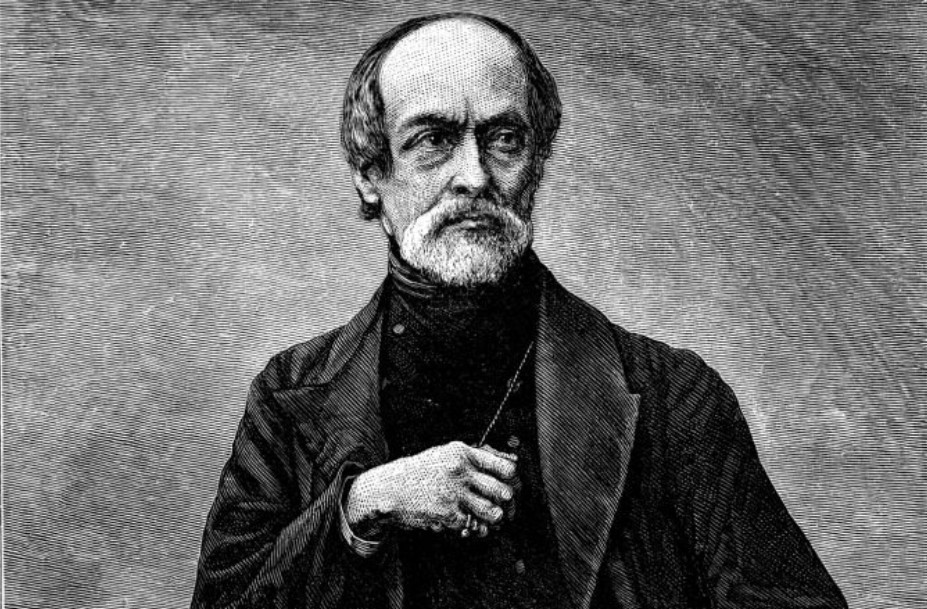
He also writes about Michele Bianchi and Luigi Razza, syndicalists belonging to a “left” wing of fascism which was inspired by the Italian patriot and revolutionary Giuseppe Mazzini (1805-1872), pictured. [11]
And he cites the remarkable story of Mario Bergamo, who started out as a fascist, then became an anti-fascist exile in Paris, but subsequently sided with Mussolini again and from 1945 promoted “national communism”. [12]
There were various attempts to bridge the gap between neofascism and “the left”, such as an open letter written by the anti-fascist Piero Operti in 1946 on the need to go beyond the fascism versus anti-fascism divide. [13]
On the other hand, one-time fascist Umberto Salvarezza, who supposedly converted to anti-fascism at the end of the war, set about sabotaging the influence of the Partito Comunista Italiano (PCI) by setting up a new broad political movement to its left, aimed at anyone from Trotskyites to anarchists – the Unione Proletaria whose flag was a red star on a white background. [14]
Parlato notes: “The contradictory message of the new movement consisted of blowing on the embers of popular disquiet and at the same time calling for the birth of a strong government to dismantle the ‘clique’ of the parties involved in the CLN [Comitato di Liberazione Nazionale] and thus undermine the unity of the Resistance movement.
“Salvarezza’s right-hand man was Umberto Bianchi, a character who was as paradoxical as he was politically unstable: from Florence, born in the same year as Mussolini (pictured) and a personal friend of his, Bianchi was a journalist, physics teacher and socialist member of parliament before 1922″. [15]
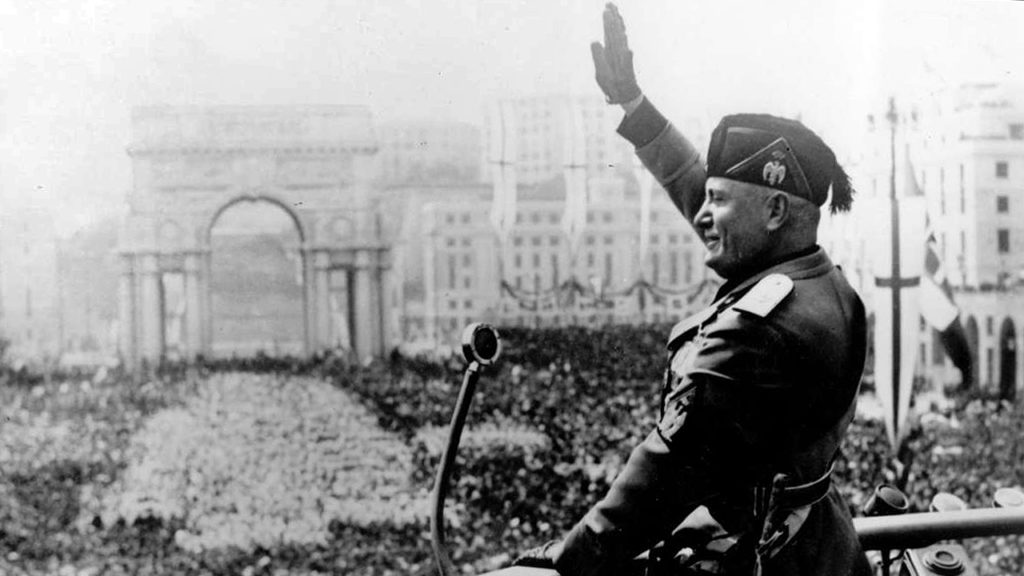
The author explains that, with the advent of fascism, Bianchi created a “national socialist” party which supported it, but in 1934 was condemned to 27 years in prison for military espionage on behalf of the USSR.
He soon walked free thanks to the personal intervention of his old friend Mussolini, who had also arranged for his three daughters to be looked after. [16]
So a “fascist” leader frees a friend caught spying for “communists”. Hmmm…
Parlato describes how, as the war came to an end, fascists made their way into political movements across the political spectrum, including those on the “far left” – “we do not know if they did this in an autonomous fashion or because of orders coming from the Salo authorities”. [17]
A factor behind this was, he says, the experience of fascists in the concentration camps into which hundreds of thousands of them were placed by the British and American occupation forces. [18]
Some of those held were professional military men, not necessarily politically fascist, and a peculiar double conversion process appears to have taken place: “A lot of those who were not fascists ended up becoming so in the concentration camps, while numerous fascists, for their part, became communists through hatred of the United States and the Allied victors, following a line which had characterised left-wing fascists over the last months of the RSI, notably the most anti-capitalist amongst them”. [19]
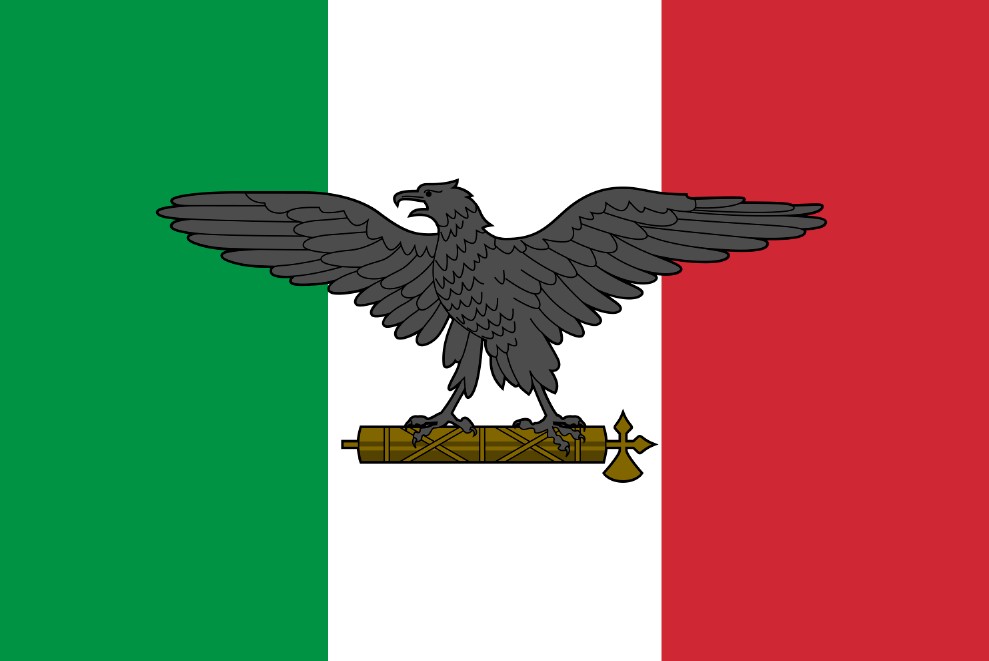
“The phenomenon of fascists going into the PCI – or into organisations linked to it – happened immediately after June 1944, on a far from insignificant scale. This phenomenon grew over the following years with much the same motivation behind it: it does not matter whether or not such a move was the result of a real and sincere political-ideological evolution, because in any case it remains true that a fascist choosing the PCI no longer risked being denounced as such, while a fascist who decided to act within ‘moderate’ forces ran the risk of being continually accused of neofascism, collaborationism or worse”. [20]
A confidential police memo stressed in March 1945: “The method used by underground neofascism is to hide behind far-left parties, to the point that you are more likely to find fascists among the revolutionaries than among the reactionaries”. [21]
And a police informer highlighted the “emblematic” case of one Armando Zini, a former fascist who joined the PCI while still actively raising funds to help the families of dead fascists [22] – between 20,000 and 30,000 of them had been executed either by the authorities or by anti-fascist partisans. [23]
The reasons for fascists wanting to melt away into the PCI are obvious enough, but I have to admit that I was surprised to learn of the dogged and systematic manner in which the Italian Communist Party actively sought to recruit former fascists into its ranks.
The writing was, in fact, already on the wall in 1936 when communist leader Palmiro Togliatti (pictured) issued the manifesto Per la salvezza dell’Italia. Riconciliazione del popolo italiano (‘For the salvation of Italy. Reconciliation of the Italian people’), better known as the appeal Ai fratelli in camicia nera – to the “brothers in black shirts”.
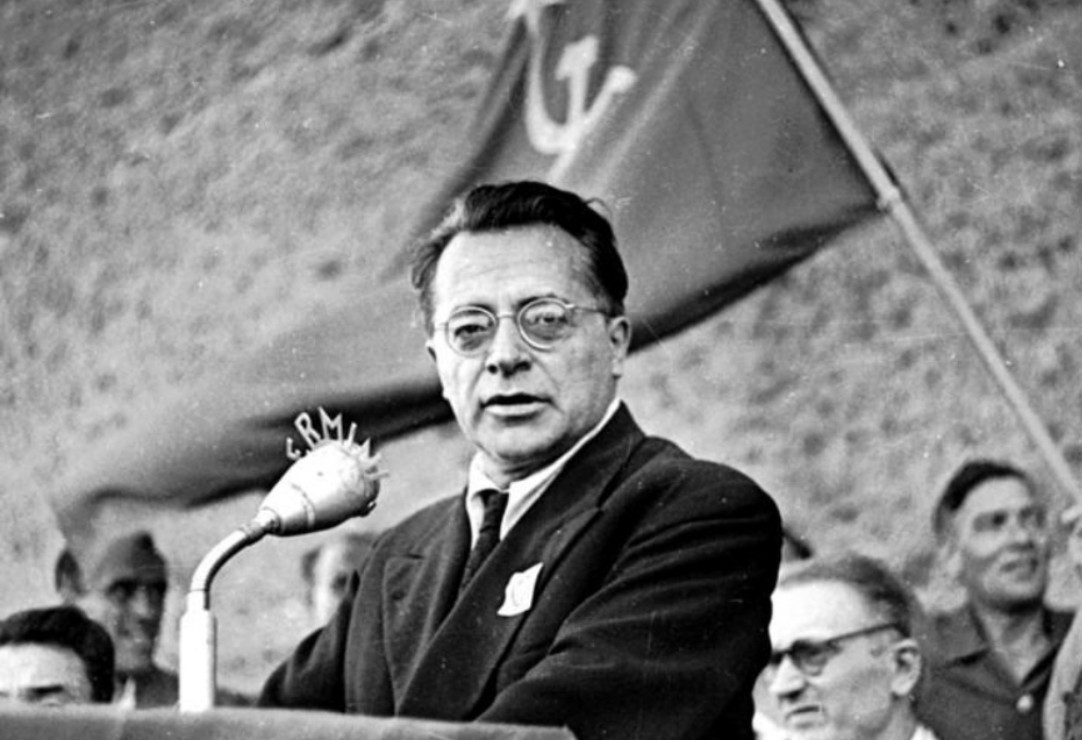
Aimed at the fascist grassroots, this suggested that the original “fascist program of 1919” could serve as the basis for joint action by fascists and anti-fascists against the “sharks”, that is, the capitalists, industrialists, financiers, and landowners profiting from the Italian conquest of Abyssinia (Ethiopia) in 1936. [24]
Parlato notes that during the late 1930s the PCI developed an “almost positive” reading of the populist and anti-bourgeois aspirations of the revolutionary and syndicalist wing of Italian fascism. [25]
During the war, in 1941, Togliatti went on Radio Milano Libertà to address those who had believed in fascism in good faith, asking them to work together with the communists to build back a better post-war Italy. [26]
After the collapse of the fascist regime, the PCI launched a bid to recuperate both individual fascists and their organised trade union structures. [27]
This started with communist activists approaching fascists coming out of the concentration camps, as Sandro Curzi recalled in 2003: “We even went there every day, at the end of the war, to talk with fascists who had just been freed. The order from the party was to win them over to our cause. We had republished Togliatti’s appeal to the ‘brothers in black shirts'”. [28]
Parlato writes: “A large number of the leaders of former fascist trade unions, whether on a personal basis or because they were linked to the atypical and interesting Mo.Si. (Syndicalist Movement), entered into the Confederazione Generale Italiana del Lavoro (CGIL) [General Italian Workers’ Confederation, set up in 1944]… At the same time, some 300,000 employees of fascist workers’ organisations ended up constituting the first skeleton structure of CGIL’s management”. [29]
The experience of former fascists in the union’s middle management meant that over the next few years it became a well-run and stable entity, says Parlato. [30]
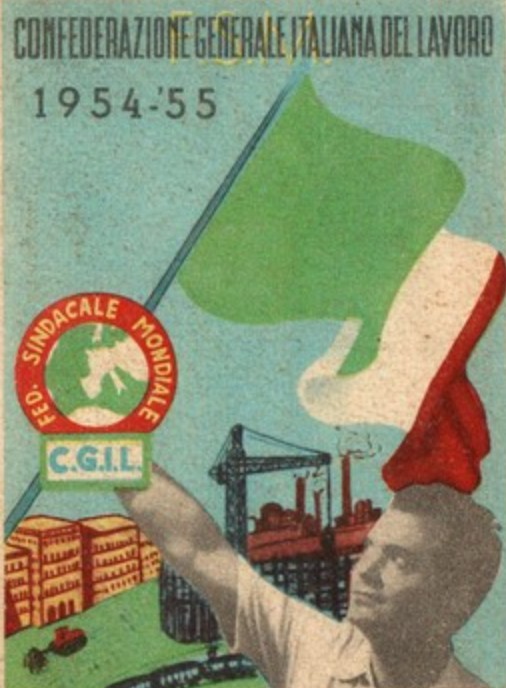
“In the same way, numerous intellectuals, artists, men of cinema and theatre and a large number of the leaders and members of GUF [Gruppi Universitari Fascisti] joined the PCI, convinced that in this structure they would be able to bring to fruition the revolutionary, anti-bourgeois and anti-capitalist project that the fascist left had not been able to achieve.
“In most cases, the recruitment of the fascists was done on the quiet, without excessive noise, notably so as not to upset the more radical party members (especially former Resistance fighters)”. [31]
He concedes that some of these individuals were “crypto-anti-fascists”, former fascists who had already switched to the underground PCI before the war.
But he insists that these were few and far between: “A larger number materialised when the balance of the war shifted still further in favour of the Allies, but many joined the PCI after the war, even after having fought in the ranks of the RSI’s X MAS [Tenth Flotilla MAS]”. [32]
In December 1944, Il Bolletino di Partito declared: “The Communist Party welcomes into its fold all workers and all honest citizens who accept its political programme and are disposed to fight for its implementation”.
It added a reminder that there “still exist here and there old comrades who are opposed to the entry into the party of honest workers and citizens who, in the past, were obliged to subscribe to fascism. These old comrades are wrong”. [33]
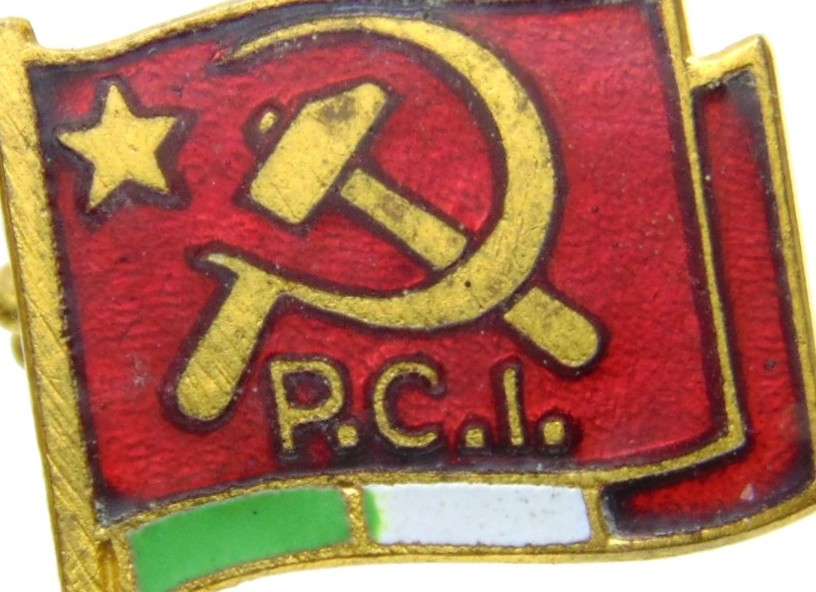
Parlato makes the interesting observation that the attempted absorption of fascists into the communist machine in Italy echoes what happened to Nazis in communist-run East Germany – might we assume that the strategy in the two countries came from the same source? [34]
He describes how at the end of 1945 and the start of 1946, Togliatti’s efforts were backed by articles calling for reconciliation written by communist Resistance fighter Gian Carlo Pajetta for the PCI’s daily newspaper l’Unità and its weekly review Vie Nuove. [35]
In 1946 the neofascist Movimento Sociale Italiano (MSI) was formed and, as it became established, Togliatti realised that it risked attracting ex-fascists who would otherwise have jumped aboard the communist bandwagon.
Parlato writes: “The final weeks of 1946 saw the beginning of a new period of direct contact between fascists and communists… Orfeo Sellani, who had held important posts in the PNF [Mussolini’s Partito Nazionale Fascista], from federal secretary to the presidency of the organism for social protection, emerged as one of the most active personalities calling for reconciliation between fascists and communists”. [36]
The communist Vie Nuove now published an article by Gianni Puccini (pictured), who had been a dissident and “left-wing” voice within fascism, had then become known as a scriptwriter and literary critic in the 1940s and was to go on to be a film director.
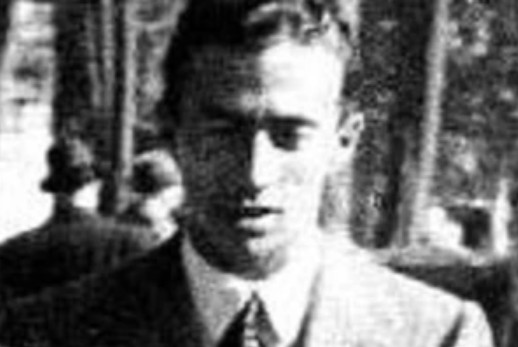
Having met the filmmaker and Resistance fighter Luchino Visconti, and made contact with the communist underground in Rome, he adopted a strongly anti-fascist position which even saw him spend time in jail in 1942-43. [37]
Parlato says: “Puccini started from a statement of fact that was rather important and not at all obvious, especially for the readers of a militant journal like Vie Nuove: fascism had profoundly influenced Italian society by presenting itself with slogans belonging to the heritage of the left, which, although they had not been reflected in the reality of the fascist regime, had created a certain consensus and hope, particularly for young people”. [38]
Puccini argued that these young fascists had effectively created their own fascism on the basis of this left-inspired vision and could safely be welcomed back into “democratic” post-war society.
His article sparked much debate in the pages of the journal, not least a reply from a group of anonymous ex-fascists, including former syndical managers, federal secretaries and local party leaders, saying that Puccini’s article represented an important starting point for dialogue.
They argued that fascism, and the young people who had believed in it, had been betrayed by “the right” and capitalism: “The hope raised by the fascism of honest people, of workers and the youth, had nothing in common with the fascism of the plutocrats and the conservatives”. [39]
Communist leader Togliatti also corresponded with Ugo Manunta, a representative of “left” neofascism, about welcoming fascist syndicalists into communist organisations. [40]
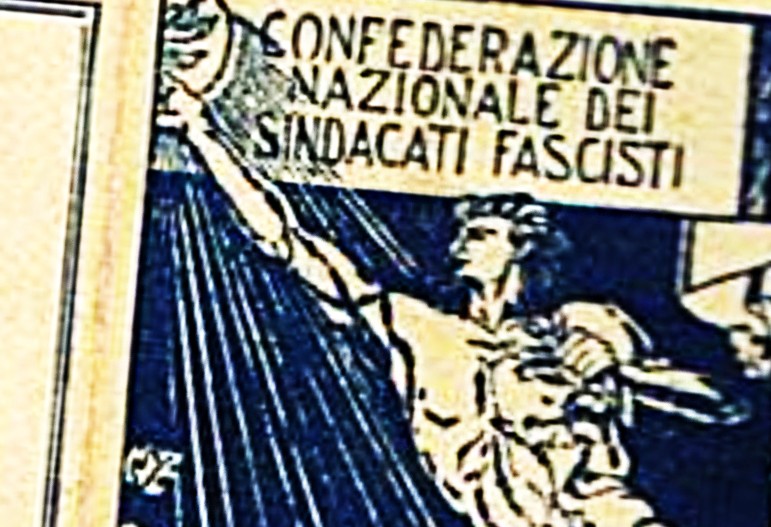
March 1947 saw the appearance of Stanis Ruinas’ Il Pensiero Nazionale, “a neofascist journal well disposed to the PCI” [41] and in May of that year Togliatti gave an important speech to his party’s national youth conference in which he expressed great openness towards those who had believed in fascism out of good faith, even those who had been part of Mussolini’s last stand at Salo. [42]
Elsewhere, he expressed “our sympathy for these former fascists, young or adult” who were interested in “the discovery of new social horizons”. [43]
The strategic thinking behind this communist charm offensive is well illustrated by a letter from Esule Sell to his comrade Luigi Longo: “I remind you that Il Pensiero Nazionale expresses a position which is clearly republican, anti-capitalist, anti-Allied, anti-Christian-Democrat and anti-neofascist and that it terms itself socialist.
“The ‘fascist’ elements that can be found in certain articles in the journal are justified by the need to maintain contact with fascists who are mainly not of the ‘old guard’, while waiting to have complete clarification on their account.
“I would say that the proposals and possibilities presented by Stanis Ruinas and Il Pensiero Nazionale must be examined and defined in relation to our attitude towards former fascists in general.
“To this purpose, it seems that the formula ‘former left-wing fascists’ (especially young people, syndicalists, minor office-holders, some journalists) provides broad possibilities for political exploitation.
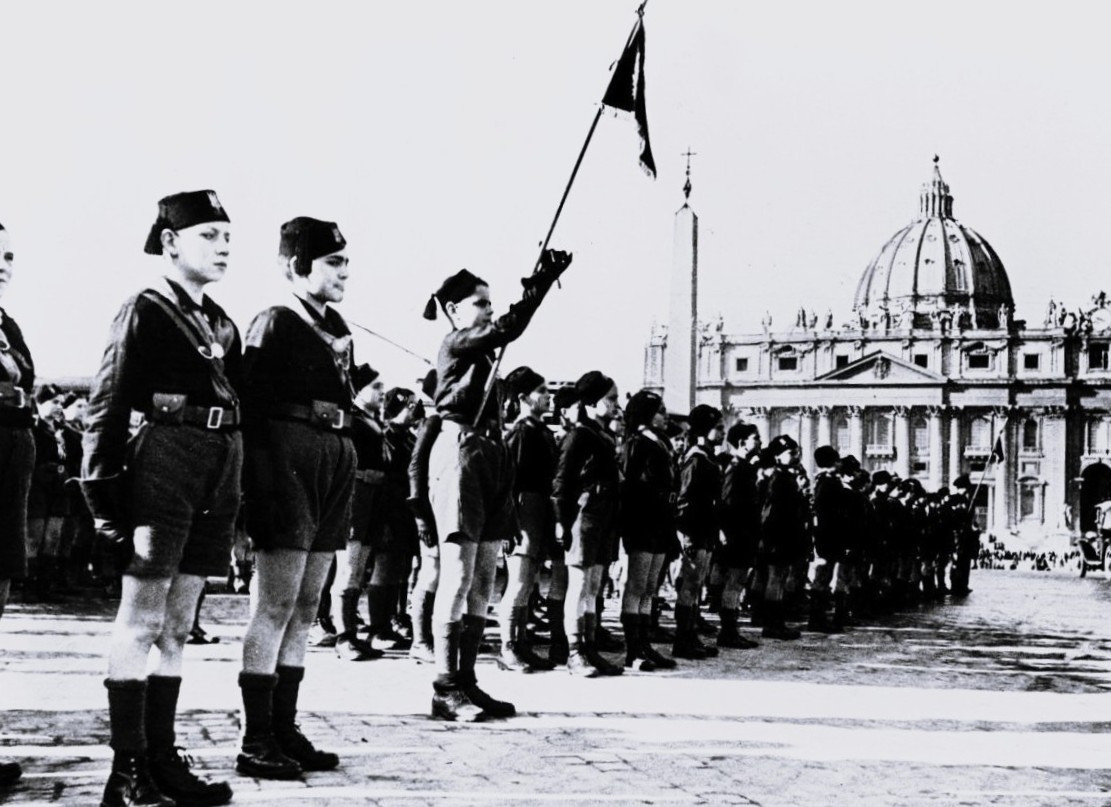
“The takeover, control and development of this ‘movement’ is supplying the left with a large numbers of voters, who, given the way they have been abandoned, would otherwise have been driven to the right.
“It prevents the unity of neofascist tendencies. It provides a clear and violent anti-Allied message that even the PCI is not in a position to voice.
“It makes public important information that in normal times would have remained unknown, such as capitalists compromised with former and new fascists. Regarding certain future perspectives, it can, if necessary, facilitate the evolution of the current ‘anti-fascist’ position towards other positions, such as the ‘defence of national independence’, the ‘economic and social renovation of the country’, the ‘struggle against capitalist exploitation’, etc”. [44]
However, as the 1948 elections approached, the centre and right of Italian society was gripped by fears of a PCI victory, and even of invasion by neighbouring communist Yugoslavia, and the PCI postponed its attempts to recruit “red” neofascists to some later date. [45]
Election rallies held by the new MSI were attacked by anti-fascists, making reconciliation less likely, although it was not until 1960 that the intensity of the conflict became such that the prospect was completely unthinkable. [46]
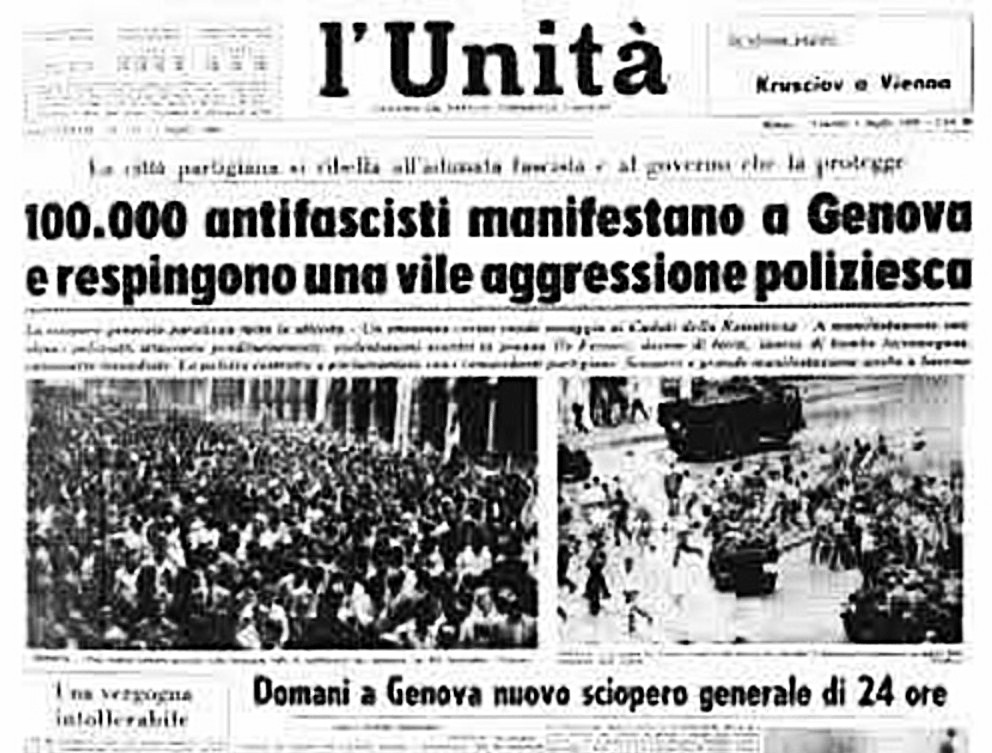
In the meantime, in 1952, Giorgio Pini and Concetto Pettinato, along with other representatives of the neofascist “left” within the MSI, finally quit the party when they realised that its conservative pro-“West” positioning was not merely a short-term tactic but a long-term strategy. [47]
Parlato concludes that the main difference between the original fascism and neofascism was that the reconstituted movement, for all its initial overlaps and contacts with “the left”, was less radical, as reflected by the fact that it was primarily based in the Italian capital.
“The former was very much a product of Milan and the plain of the river Po, later moving down into the Centre-South thanks to the active collaboration of nationalists.
“Fascism, hostile to the politics of Rome, to the ‘salons’ of power, was subversive, paid tribute to the spirit of 1919, was futurist and claimed to be revolutionary. Neofascism was born bourgeois and anti-communist”. [48]
In the third article of this series of five we will meet some of the forces which lured neofascism down that particular path.
Other articles in this series:
Divide and rule: the anti-communist psychosis
Neofascism, industrialism, corruption and Israel
[1] Henri Michel; Les fascismes (Paris: Presses Universitaires de France, Que sais-je?, 1987), p. 28. All translations from French are my own.
[2] Paul Cudenec, ‘Benito Mussolini and the New World Order’, Welcome to the New Resistance! (2026), p. 275,
https://winteroak.org.uk/wp-content/uploads/2026/06/wttnronline.pdf
[3] Michel, pp. 9-10.
[4] Paul Cudenec, ‘The old binary bounce routine’, https://winteroak.org.uk/2025/06/13/the-old-binary-bounce-routine/
[5] Hannah Arendt, Elemente und Ursprünge totalitarer Herrschaft (Frankfurt, 1955), cit. Michel, p. 18.
[6] Michel, pp. 18-19.
[7] E. Nolte, Le fascisme dans son époque, vol II, Le fascisme italien (Julliard, 1975), cit. Michel, p. 29.
[8] Michel, p. 38.
[9] Giuseppe Parlato, Les fascistes sans Mussolini: Les origines du néofascisme en Italie (1943-1948), trans. Istvan Leszno, (Château-Thébaud: Ars Magna, 2025), first published in 2006 then 2012 as Fascisti senza Mussolini: le origini del neofascismo in Italia (1943-1948), pp. 31-32.
[10] Parlato, p. 89.
[11] Parlato, pp. 97-98.
[12] Parlato, pp. 334-35.
[13] Parlato, p. 396.
[14] Parlato, p. 177.
[15] Parlato, pp. 177-78.
[16] Parlato, p. 178.
[17] Parlato, pp. 179-80.
[18] Parlato, p. 237.
[19] Parlato, p. 226.
[20] Parlato, p. 182.
[21] Archivio Centrale dello Stato, Rome, Ministero dell’Interno, Direzione Generale di Pubblica Sicurezza, Divisione SIS, II (1944-1947), b. 29, fasc. HP 6, Quinta Colonna, March 12 1945, cit. Parlato, p. 573.
[22] Parlato, p. 185.
[23] Parlato, p. 197.
[24] https://storieinmovimento.org/wp-content/uploads/2015/11/Zap35_8-Schegge-3.pdf
[25] Parlato, p. 34.
[26] Parlato, p. 304.
[27] Parlato, p. 34.
[28] A. Cazzullo, ‘L’8 settembre 1943. Morte (e resurrezione) della Patria. Le testimonianze di Tremaglia e Curzi’, in La Stampa, September 8 2003, cit. Parlato, p. 228.
[29] Parlato, p. 34.
[30] Parlato, p. 35.
[31] Parlato, pp. 35-36.
[32] Parlato, p. 36.
[33] S. Bertelli, Il Gruppo: La formazione del Gruppo dirigente del PCI, 1936-1948 (Milan: Rizzoli, 1981), p. 216, cit. Parlato, p. 608.
[34] Parlato, p. 311.
[35] Parlato, p. 36.
[36] Parlato, pp. 459-60.
[37] Parlato, p. 460.
[38] Parlato, pp. 460-61.
[39] Parlato, p. 461.
[40] Parlato, p. 462.
[41] Parlato, p. 36.
[42] P. Togliatti, Opere. V. 1944-1955 (Rome: Edition Riuniti, 1984), pp. 300-01, cit. Parlato, p. 464.
[43] La Repubblica d’Italia, August 14 1947, cit. Parlato, pp. 464-65.
[44] ‘Appunto per il compagno Longo su Stanis Ruinas, Il Pensiero Nazionale e gli ex fascisti di sinistra’ in P. Buchignani, ‘Il PCI e il “fascisti rossi”: Togliatti, Longo e gli ex fascisti di sinistra’ in Nuova storia contemporanea, July-August 1999, p. 103 sq., cit. Parlato, p. 467.
[45] Parlato, p. 468.
[46] Parlato, p. 477.
[47] Parlato, p. 412.
[48] Parlato, p. 372.


A concise descriptor for the present system is “liberal-fascism”: rule by a corporatist oligarchy, behind a false front of liberal democracy. All factions are manipulated by the hidden hand.
“It may be observed that both the extreme right and the extreme left of the conventional political spectrum are absolutely collectivist. The national socialist (for example, the fascist) and the international socialist (for example, the communist) both recommend totalitarian politico-economic systems based on naked, unfettered political power and individual coercion. Both systems require monopoly control of society… Our story postulates a partnership between international monopoly capitalism and international revolutionary socialism for their mutual benefit.”
— Antony Sutton, “Wall Street and the Bolshevik Revolution” (1974), chapter 1
https://archive.org/details/WallStreetTheBolshevikRevolution/mode/2up
LikeLiked by 1 person
Yes, “politics” as presented to us is all just theatre and distraction.
LikeLike