Number 110
- Is this really normal?
- The technological system is totalitarian
- Israelis eye up BRICS membership
- When the Enemy Is Peace
- Derrick Jensen: an organic radical inspiration
- Acorninfo
by Paul Cudenec (who reads the article here)
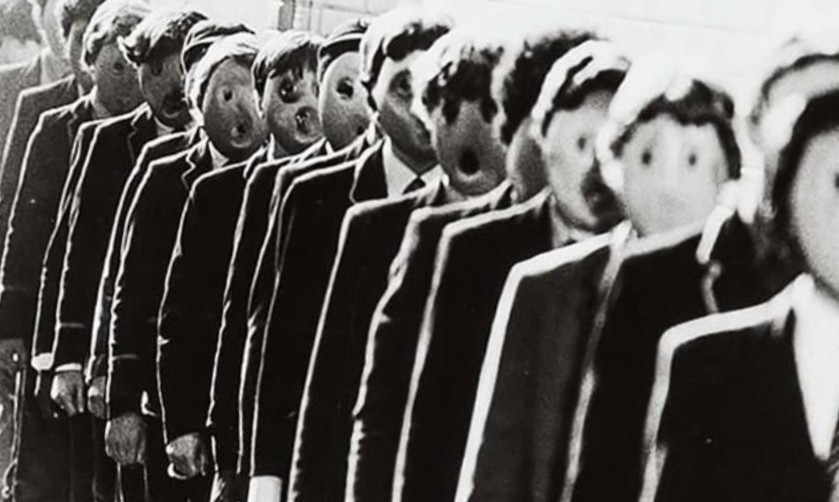
It is astonishing how most of us spend our entire lives assuming that our modern industrial existence is completely normal.
We think that it is quite normal to inject cocktails of chemicals into a baby’s bloodstream as soon as it is born, quite normal to rear children on industrial fake-food and toxic tooth-rotting gunge, quite normal to let them be snatched away from their families to have their heads filled with whatever the corporate slave-masters deem useful.
We consider it normal for a child to get used to the idea that its time is not its own, that most of its waking hours must be spent obeying orders and performing tasks that may be of no interest to it.
We find it normal that young people are sorted and sifted like vegetables on a conveyor belt and that at the end of their so-called “education” it is revealed that this has really just been about lining them up for their place as a cog in the great machine of sustainable exploitation.
We deem it normal that life = job, that success = money, that respectability lies in conformity, that safety and security can best be attained through cowardice and hypocrisy.
We imagine that it is normal to the point of necessity to have a machine to move us from one place to another, a machine to wash our clothes, a machine to do the dishes, a machine to make soup, a machine to sweep the floor, a machine to chop wood, a machine to cut the grass.

We regard it as normal to sit in front of a screen and have persons unknown present to us their version of reality, to programme us with whatever aspiration, fear, shame or guilt best suits their agenda.
We tell ourselves it is normal to simply submit to this control, to be a good citizen – not an extremist or a trouble-maker – and to accept that it is our solemn duty never to question what our masters tell us.
We accept that it is quite normal to have to toil for decades simply to have a roof over our heads, to have to buy water, to be milked by debt, to pay for “insurance”, to be taxed on what we earn and what we spend, to be ripped off and robbed blind again and again and again.
We fool ourselves that it is normal to spend our lives as half-humans, spineless and domesticated, acting out a script of sorry servility and trying to believe that we have found happiness in the comfort of our beautifully upholstered cells, in the reassuring restraint of our designer chains, in the delusion of democracy, in our pride in Progress, in the heap of precious plastic baubles that we have lovingly spent our lifetimes accumulating and admiring.
All of this may indeed be normal in the sense that our parents and grandparents probably lived much the same way and we therefore know nothing different.
But it is certainly not natural – it is not the way in which we were meant to live, in which we should live and in which we could live again if we found the strength to finally snap out of this civilizational catatonia.
2. The technological system is totalitarian

When we talk about “the technological system”, we refer to the technical, economic and political system formed by the global interconnection of all the authoritarian technologies of the Industrial Age. Technologies that we describe as authoritarian, in that their high degree of complexity makes them escape human democratic controls.
Industries form a world-system.
Technologies are characterized by the fact that they could not exist without each other: the computer needs the Internet; servers need electricity; the electrical industry needs roads; the concrete industry needs oil; oil the extractive industry; the extractivist industry the military industry; the military industry the digital industry, and so on (to name a few).
This world-system structures our existence.
This system is thus structured from the extraction of raw materials in mines, to the consumption of energy or materials in cities and industries, through the repression and enlistment of populations as workers in factories, or through their entertainment using the mass media and the electoral masquerade maintained by all technoprogressive politicians.

Technology is not neutral.
We talk about a system because judging each modern technology one by one, to take them out of their political and productive context and their supply of energy/materials, is absurd. Producing and maintaining any modern technology depends precisely on a particular political regime, on an interconnection to a multitude of other technologies grouped together within a “technological system”.
The technological system must be dismantled.
This is the very thing we want to dismantle, because we have no problem with the countless low-powered democratic techniques and tools that our ancestors used for thousands of years. What we refuse today is the submitting of the entire human race to the crazy implications of a set of interconnected technologies which imposes on everything and everyone its needs (in materials and energies) and whose very systemic structure annihilates any possibility of democracy or autonomy.
Down with the technological system, long live the technical autonomy of free humans!
3. Israelis eye up BRICS membership
The idea that Israel, so close to the USA, might join the rival “multipolar” BRICS bloc currently sounds far-fetched.
But there are voices in that country calling for that very outcome, which seems less implausible when one considers its links to India and its growing economic ties with China.
One Israeli website, Israel by Locals, writes: “While Israel’s inclusion in BRICS is not imminent, its engagement with BRICS members, particularly Russia, India, and China, reflects a strategic shift in the country’s foreign policy as it seeks to secure its position in a changing global landscape”.
The article stresses the need for “diversifying strategic partnership” and argues that “Israel seeks to balance its reliance on the United States and expand its strategic relationships beyond the Washington-Jerusalem axis”.
The bigger picture is that Pax Americana has nearly had its day and that the new axis of global power is planned to be that between Asia and Africa, with Israel – or rather Greater Israel – sitting nicely in the middle.
It is not just one website saying this, either – the Israeli NGO Dor Moria (“Bridging Cultures, Building Futures”), which claims to represent Russian-speaking Israelis, is very interested in the idea of Israel joining BRICS at some point in the future.

It has been sounding out public opinion on the issue and concludes: “In general, if Israel joins the BRICS alliance, Israelis expect positive changes in all areas of the country’s life. They associate the most positive expectations with economic stability and improved foreign policy”.
On June 27 2024 Dor Moria held what it calls “a significant event” in Tel Aviv entitled “Israel: Between the Collective West and the Global South”.
It reports: “A key outcome of the meeting was the formation of the ‘Coordination Council for Israel’s Cooperation with BRICS Countries’”.
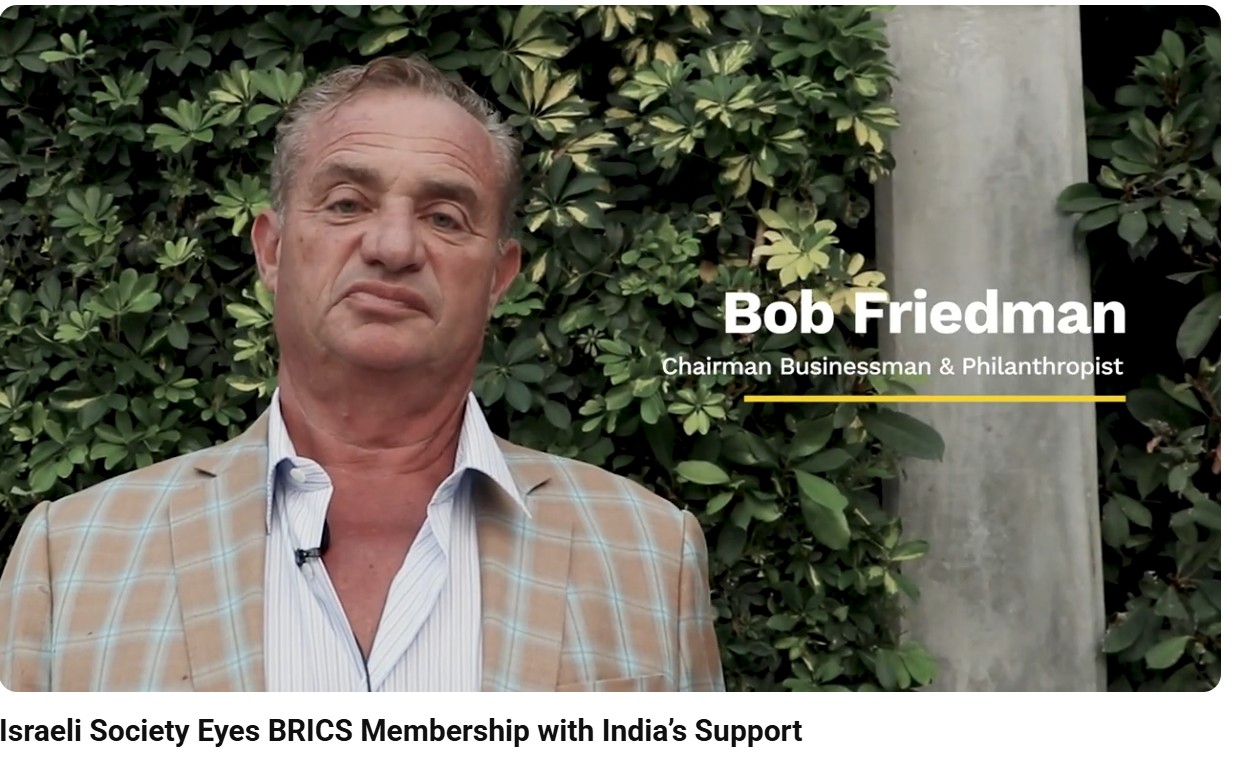
Bob Friedman, the chairman of its supervisory board and Gregory Pelman, its director of international projects, recorded “a resonant video address” aimed at the Indian public.
“The message, calling for support of Israel’s accession to BRICS, was published in more than 30 Indian media outlets, indicating a growing interest in Israel’s potential rapprochement with the Global South”.
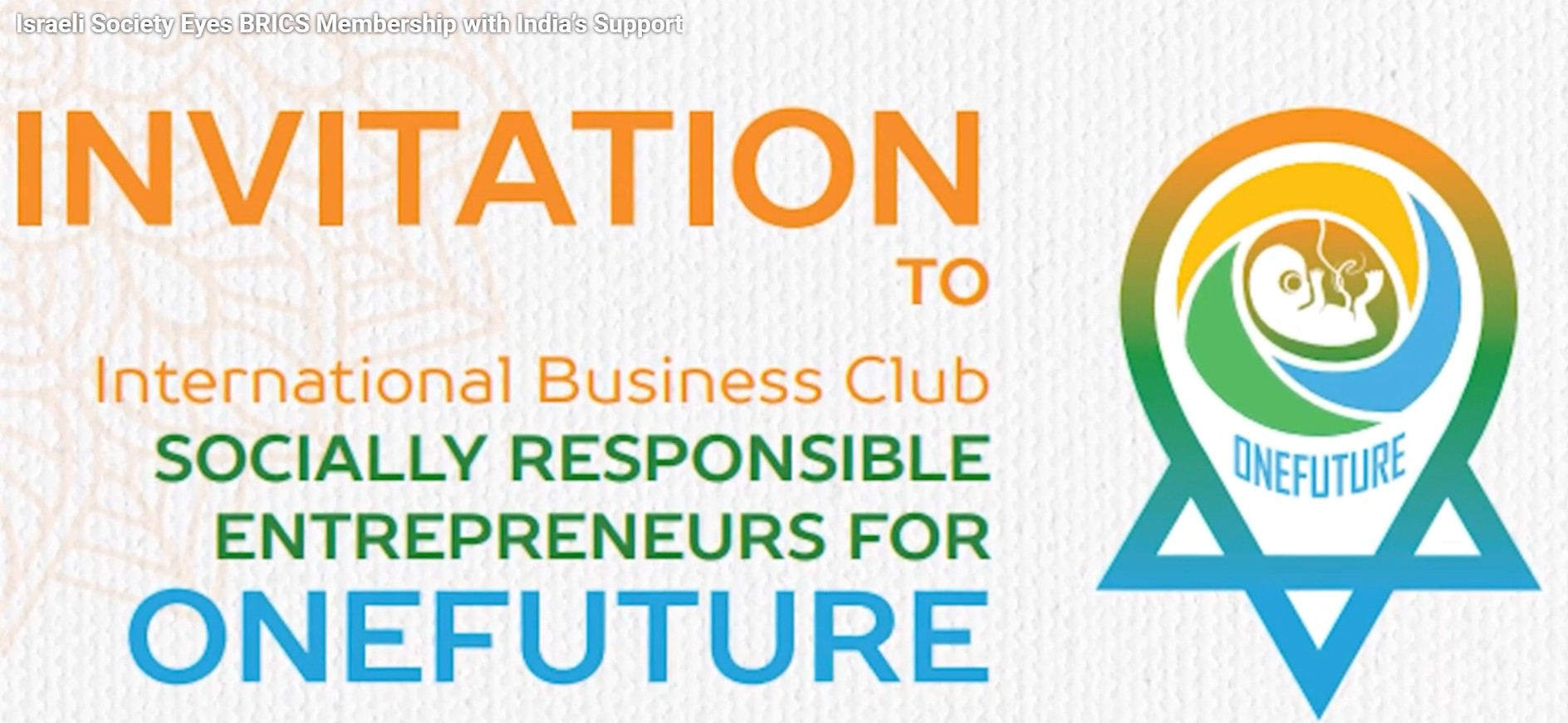
This (less-than-resonant) video, published on YouTube under the heading “Israeli Society Eyes BRICS Membership with India’s Support” promotes a conference called Socially Responsible Entrepreneurs for ONEFUTURE.
It says: “The goal of the conference is to promote the expansion of Israel’s cooperation with BRICS countries in various fields, from culture and education to high technologies and peace-keeping”.
Friedman declares: “We are confident that BRICS members will open up new opportunities for Israel”.
The video voice-over explains: “According to experts, the BRICS membership will allow Israel to diversify its foreign economic ties, strengthen its international position and leverage the potential of the developing markets to stimulate its growth.
“Strategic reorientation towards cooperation with the Global South will contribute to the country’s economic stability and prosperity.
“Dor Moriah and the member organisations of the coordination council will continue to work on promoting the idea of Israel joining BRICS”.
As the Israel by Locals site concedes: “One significant challenge Israel faces in relation to BRICS is the Palestinian issue.
“BRICS countries tend to vote against Israel on Palestinian-related matters, extending the legacy of the Non-Aligned Movement. For example, in 2011, Brazil, India, and South Africa supported UN recognition of Palestine as a state.
“However, BRICS as an institution has not engaged extensively in direct international diplomacy concerning the Israeli-Palestinian conflict”.

This failure of BRICS as a whole to take a political position regarding Israel’s conduct has also been true of the conflict with Iran – one of the newest BRICS members.
Middle East Eye noted on March 3 2026: “Whereas every member of the original core – besides India – has released individual statements either condemning or raising concerns about the killing of Khamenei, the bloc itself has yet to utter a word as a collective”.
It quotes Priyal Singh, a senior researcher at the Institute for Security Studies (ISS) in Pretoria, as saying: “Modi was basically in Israel, hugging Netanyahu and making it very clear that, seemingly, there’s a much stronger solidarity or kinship between these two leaders, and this is going to extend officially into the respective bilateral relations”.
Singh said that India’s closeness to Israel, as well as Iran’s retaliatory attacks on the UAE, in particular, has probably made it even harder for BRICS to reach a place of consensus.
The article continues: “BRICS is currently chaired by New Delhi, which last week upgraded India-Israel ties to ‘a special strategic partnership’ and whose statements and actions since have been interpreted as being aligned with Israel’s war on Iran. On 1 March, India condemned Iran’s missile strikes on the UAE.
“The bloc has been routinely divided and seemingly paralysed by differing agendas and a lack of alignment on global issues – from Russia’s invasion of Ukraine to Israel’s genocide in Gaza.
“But its inability to respond to an attack and attempt at the overthrow of the government of a permanent member of the bloc may just be the most damaging hit to its credibility yet”.
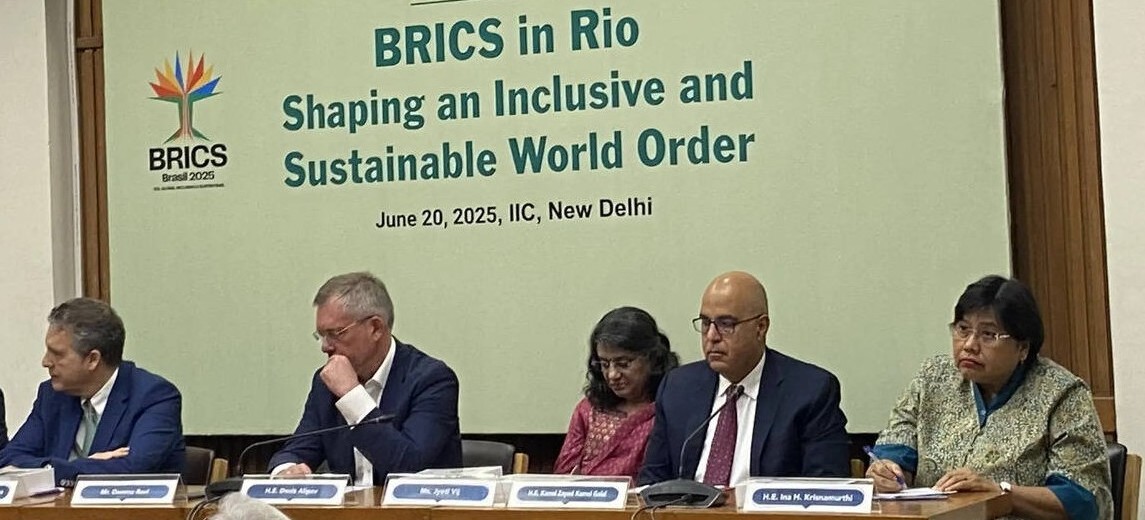
This remarkable incoherence is ascribed partly to BRICS’s “institutional design” and partly to “the economic policies and investments of individual states – including significant trade ties with Israel”.
In other words, the BRICS project is really all just about money – unsurprisingly since it is simply yet another front for the same old global mafia!
Patrick Bond of the University of Johannesburg said: “If the BRICS don’t break, it will probably be because for most, their commonality is more powerful, namely corporate profiteering in Israel”.
He said that BRICS countries’ continued commitment to economic deals with Israel was ultimately likely to “outweigh genuine solidarity with Iran, just as we have seen recently with Venezuela and probably soon in Cuba, too.
“No BRICS ruling class will come to Iran’s aid when at the same time, their class interests are in Israel’s prosperity, genocide or not”.
As sure as the warmongering state
lives     to cultivate hate     and fear
                     lives     to stimulate strife

       an economy based
       on the selling of weapons
              is bound to discount human life

                     as it does what it must
                     to wage war against peace.


Goosing  the finely tuned
              freshly fueled and greased
perfectly infernal  mass murder machine

       throwing open the throttle
       on crisis creation as a business model

there's nothing sexier to peddlers of death
than scoring war's sordid  inordinate profits.
5. Derrick Jensen: an organic radical inspiration
The latest in our series of profiles from the organic radicals website.

“Progress is theft. Progress is slave-mongering. Progress is murder. Progress is genocide.”
Derrick Jensen (1960-) is a contemporary radical deep green writer who argues that the industrial capitalist system must be brought to an end.
His clear and direct language leaves no room for doubt about the urgency of the environmental crisis and the scale of the response that is needed.
Jensen writes in his 2011 book Dreams: “We must do everything necessary to decisively and finally bring down civilization before it kills any more of the planet.

“Because if the scientific, materialist, instrumentalist perspective is true, this culture will continue its routine and necessary destructiveness until it collapses or is stopped”. (1)
He explains that to stop a train, you dismantle the infrastructure that allows the train to run and, likewise, “to curtail global warming, you dismantle the infrastructure that causes global warming”. (2)
Jensen’s philosophy is not obviously sourced from other organic radical inspirations, but rather inspired directly both by contact with nature and by the cultures of the indigenous peoples of North America.
He explains the indigenous belief that we are guided by “original instructions” and have a responsibility to live according to them.
“Original instructions presume we come into this world carrying with us advice on how to live properly, how to fit in, how to do what is right; and even more crucially, we come into this world having been given a personal and social framework for looking for that advice, for finding it in our daily lives, in dreams, in our relationships with others, and in these others’ actions”. (3)
But the people of the modern industrial West have lost touch with all that and are totally unaware that “a world of meaning surrounds them, a world of meaning that gave birth to them (back when they were alive, back when they were human), a world of meaning waiting to welcome them home”. (4)

The central character in Jensen’s 2009 novel Songs of the Dead is psychologically wounded by the life-hating violence of the ‘wetiko’ invaders and makes an interesting comment about the difficulties for people of European descent in America to link into a collective unconscious.
“I asked for dreams. Nothing. I looked at the stars and asked. Nothing. I sat beneath trees and asked. Nothing. I held soil in my hands and asked. Nothing. My only hint of anything, and I’m sure this was simply a projection on my part, was a faint voice saying, ‘I can’t hear you very well. You’re too far away.’
“Projection or not, what the voice said to me was true. My ancestors, the ones whose blood mingled for generations with the same soil, are half a world away in Europe, too far away to be able – at least with my inexperience – to help me”. (5)
In another passage from the book, Jensen conjures up a dream vision from the vibrant, interconnected, human-natural world that has been buried, apparently forever, under the grey concrete of Western civilization.

He writes: “I see Indians dancing. I see fires. I see days and nights and years of celebrations and mournings. I see people making love. I see the same for all kinds of animals, all kinds of plants.
“I see them living, dying, loving, hating. I see generation after generation of human, generation after generation of cedar, generation after generation of porcupine, generation after generation of ant, generation after generation of grasses, mosses, generation after generation of fire.
“And suddenly I see even more. I see generation after generation of muse, dreamgiver, demon, walking back and forth between worlds. I see geese and martens and wrentits moving between worlds. I see humans moving between worlds. I see all these worlds being renewed by this intercourse, this movement across borders porous and impenetrable and permeable and impermeable and breathing and alive as skin.
“I see these worlds winding and unwinding, tangling and untangling like the lovers they are, and I see moments in time, too, winding and unwinding, tangling and untangling like the lovers that they are, too. These worlds, these moments, they are not one, they are not two. They are lovers, like any others”. (6)

It is this “direct and supra-mental intellection” – as Frithjof Schuon put it – which has been so stifled by a system of living and thinking based on quantity rather than quality, the material rather than the spiritual.
Jensen writes: “This culture devalues introspection, and many of us are trained to do whatever we can to fill (and kill) time so we never have to be alone with who and what we have become, and so we never can become who we really are and were meant to be”. (7)
This, for Jensen, amounts to a mental illness afflicting our civilization and he declares in his two-volume 2006 work Endgame that “the culture as a whole and most of its members are insane”. (8)
This insanity includes the belief that somehow the society we are living in is the apex of evolution and that science and its technocratic world have been a force for good.
He comments: “Sure, science brought us television, modern medicine (and modern diseases), and cardboard-tasting strawberries in January, but anyone who would rather have those than a living planet is, well, a typical member of this culture”. (9)

In view of the destruction we have already witnessed, and that which seems to lie ahead, Jensen argues that it is absurd for people to retain faith in the industrial capitalist myth of “progress”.
He declares: “Progress is pure selfishness. Progress is theft. Progress is slave-mongering. Progress is murder. Progress is genocide. Progress is ecocide. Progress is sociopathy”. (10)
Living in this mad world, plummeting towards destruction, inevitably produces feelings of despair in many of us: “How do we go on living, when every day our hearts break anew?” (11) asks Jensen.
This insanity is not something we can run away from, he insists: “There is nowhere, no one, safe from the murderous cult that is this culture”. (12)
Instead, we are obliged to resist, to try to bring about a fundamental change in the direction that human society has taken.

Jensen was one of the founders of the Deep Green Resistance movement and frustration with the insipid pseudo-radicalism of mainstream environmentalism runs through his work.
For instance, he is scathing about the reformist target of “sustainable development”, pointing out: “It is an oxymoron, since ‘development’ is a euphemism in this case for industrialization, which is by definition unsustainable; in fact, industrialization is utterly, irrevocably, and functionally antithetical to sustainability”. (13)
When people ask how they can make current society more sustainable, they are really asking how they can make it more sustainable without stopping or even significantly curtailing industrialism, adds Jensen.
The way in which we fight industrial capitalism also needs to go way beyond the ineffective symbolic level on which so much political action takes place, he argues.

He writes in Endgame: “If a foreign power (or space aliens) were to do to us and our landbases what the dominant culture does – do their damnedest to turn the planet into a lifeless pile of carcinogenic wastes, and kill, incarcerate, or immiserate those who do not collaborate – we would each and every one of us – at least those of us with the slightest courage, dignity, or sense of self-preservation – fight them to the death, ours or far preferably theirs. But we don’t fight. For the most part we don’t even resist. How’s it feel to be civilized? How’s it feel to be a slave?” (14)
For Jensen the environmental cause is not some kind of add-on struggle that can be allocated a little slot as one of a variety of political issues, but an obvious and urgent existential priority.
As he comments in Dreams: “If we don’t stop them from killing the planet, nothing else matters”. (15)
Video links: Endgame talk (1hr 21 mins), End:Civ film (1hr 16 mins)

1. Derrick Jensen, Dreams (New York: Seven Stories Press, 2011), pp. 25-26.
2. Jensen, Dreams, p. 249.
3. Jensen, Dreams, p. 445.
4. Jensen, Dreams, p. 274.
5. Derrick Jensen, Songs of the Dead (PM Press: Oakland, 2009), p. 167.
6. Jensen, Songs of the Dead, pp. 260-61.
7. Jensen, Dreams, p. 215.
8. Derrick Jensen, Endgame, Vol 1: The Problem of Civilization (New York: Seven Stories Press, 2006), p. 151.
9. Jensen, Dreams, p. 110.
10. Jensen, Dreams, p. 173.
11. Jensen, Dreams, p. 319.
12. Jensen, Dreams, p. 320.
13. Jensen, Dreams, p. 26.
14. Jensen, Endgame, Vol 1, pp. 200-01.
15. Jensen, Dreams, p. 221.

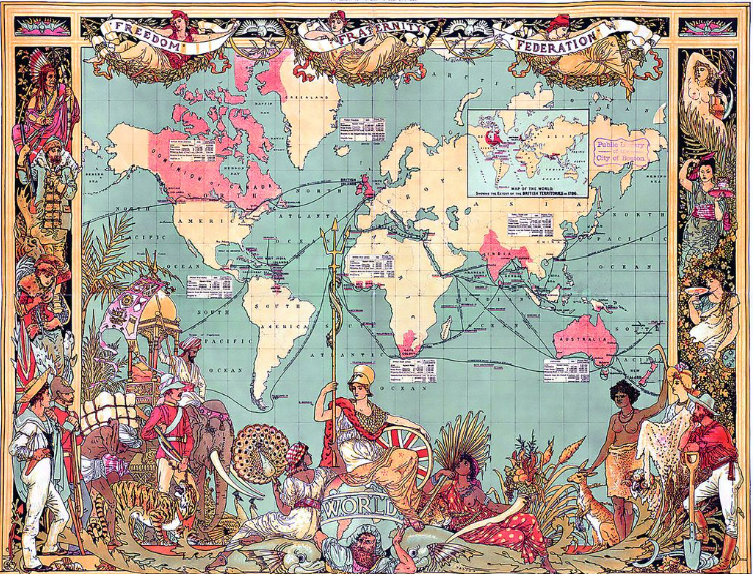
“One of the greatest lies Western societies attempted to peddle to the rest of the world in the 19th and 20th centuries involved the assignment of a value judgement to industrialised modernity – the judgement being the label of ‘civilisation’. Civilisation, stripped of any value judgements as it should be, is simply a catch-all for complex urbanised societies, distinguished by social stratification, technological advancement, and different economic classes who share unequally in its economic rewards”. Rusere Shoniwa describes what the imperialist/globalist “development” agenda has always really been about.
* * *
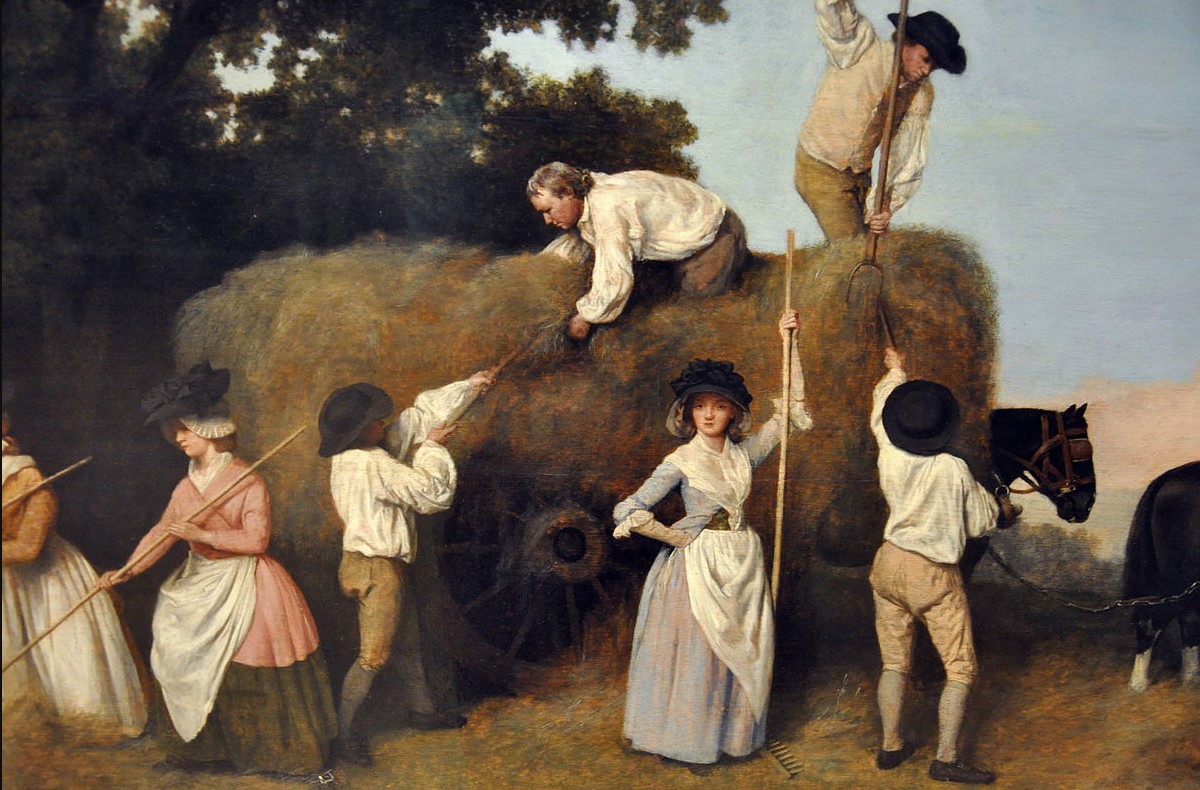
“We need to get back to communities of individual families and stop making everything grand and global, which only suits those who want everything grand and global so they can control and profit from it”. Radical common sense from The Light paper.
* * *
Is the truth finally going mainstream? Reuters news agency reports: “Millions of files related to the late sex offender Jeffrey Epstein suggest the existence of a ‘global criminal enterprise’ that carried out acts meeting the legal threshold of crimes against humanity, according to a panel of independent experts appointed by the United Nations Human Rights Council. The experts said crimes outlined in documents released by the US Justice Department were committed against a backdrop of supremacist beliefs, racism, corruption and extreme misogyny”.

* * *
“The deeper you go, the more you start to see how intertwined it all is. The old joke about a small cabal running the world starts to feel less silly. As ridiculous as that may sound, if you pull back the layers and look, there is a mind-numbing amount of evidence pointing in that very direction”. So writes Joshua Stylman in an article focusing on the Epstein files.
* * *
“If the public understood that the Rothschild correspondence documents a chain of command rather than a business relationship, people would stop fixating on Epstein and start asking who sits above him”. Escapekey hits the nail on the head.

* * *
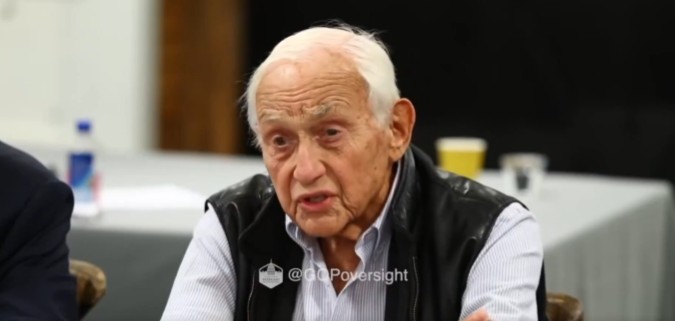
A deposition clip has surfaced in the USA of Zionist billionaire Les Wexner revealing that Jeffrey Epstein told him he was the financial adviser to Élie de Rothschild and the Rothschild family in France. Wexner says he personally verified it: “Well specifically, I talked to Élie de Rothschild. I mentioned that earlier. So he represented their whole family”.
* * *
The name ‘Rothschild’ appears nearly 12,000 times across the 3.8 million pages of the Epstein files released in January 2026, notes blogger Marcos Paulo Candeloro. “By comparison, ‘Clinton’ appears at a significantly lower frequency. But in the media ecosystem that Chomsky helped build, repeating the name Rothschild in an investigative context is automatically reclassified as conspiratorial delusion. Convenient, when yours is the most cited name in the largest child sex trafficking scandal in modern history”.

* * *
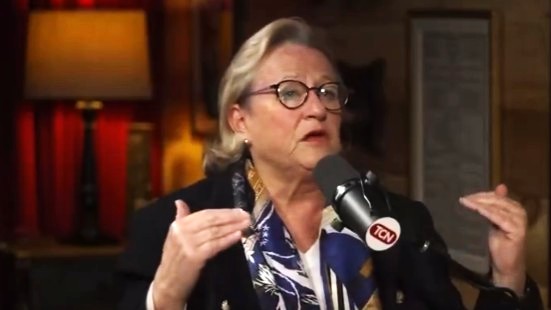
“I’d call it the Epstein network, but I would really call it the Rothschild network”. Catherine Austin Fitts spells out the nature of the global cabal, in an interview with Tucker Carlson.
* * *
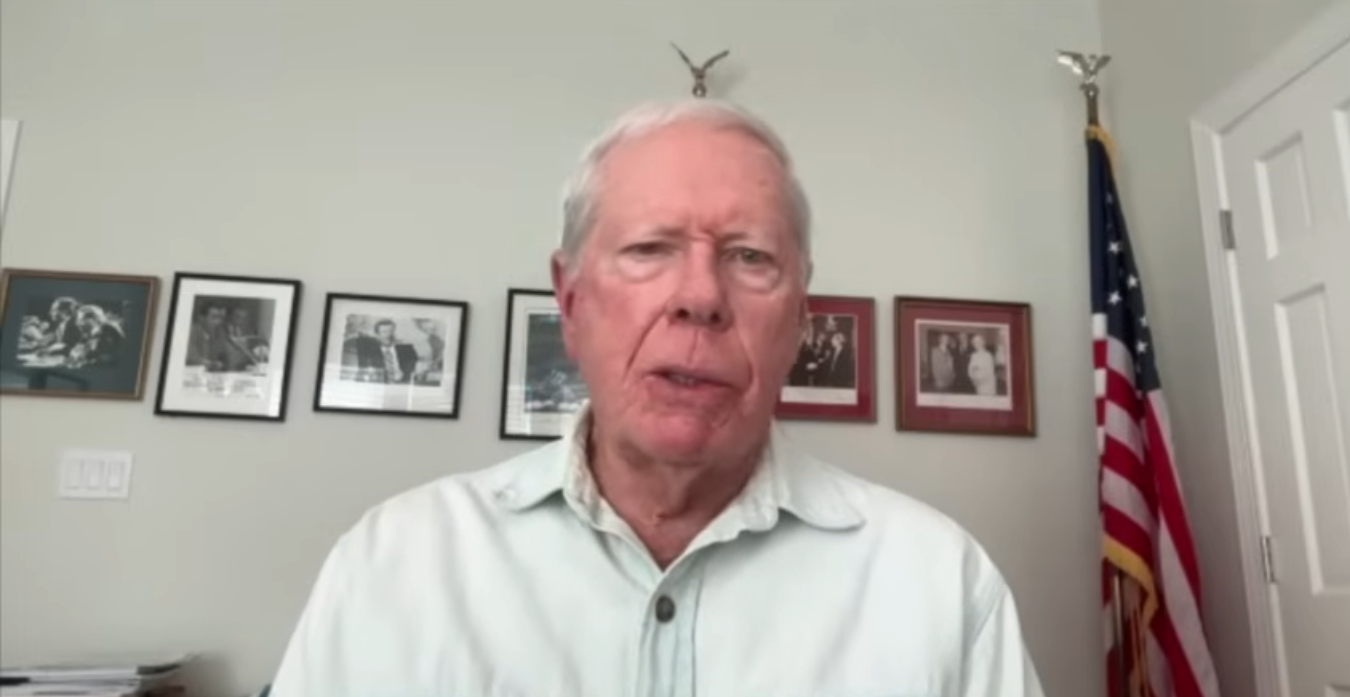
“The United States is not an independent country. It’s a servile agent of Israel, that’s all the United States government is. Nothing else… If there’s a conspiracy, it’s the Israeli conspiracy, and if there’s a globalist force, it’s the Israelis. Or the Zionists”. Paul Craig Roberts in a very interesting conversation with Michael Farris and Gary Heavin.
* * *
Chabad Lubavitch, the Orthodox Jewish organisation with a network of more than 3,600 institutions in over 1,000 cities, spanning 70 countries, is very proud of the Rothschilds, as it explains on its website.

* * *
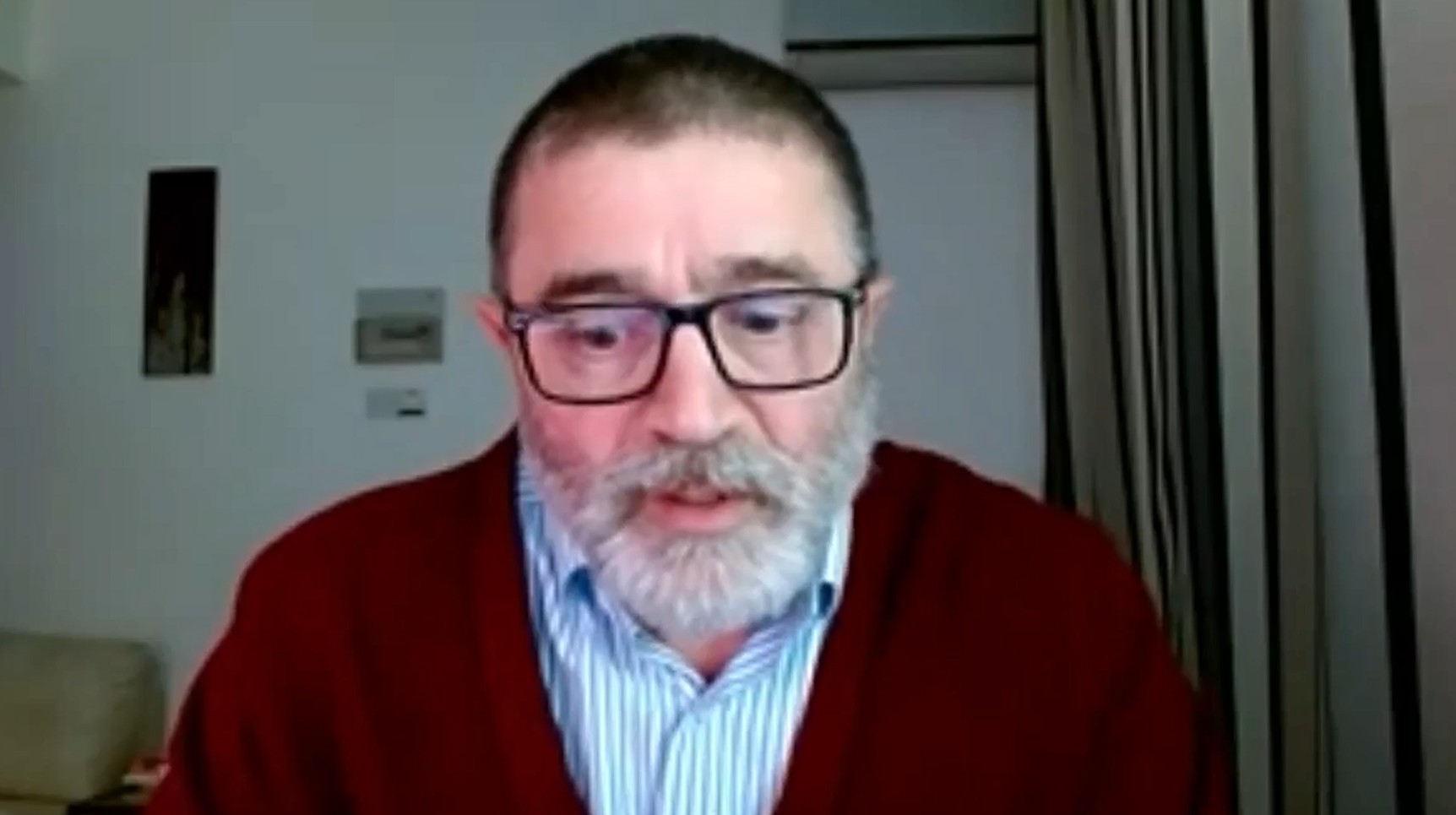
People are currently being jailed across Russia for pointing out the close links between Vladimir Putin and Chabad Lubavitch, reveals Moldovan dissident Iurie Rosca in a March 26 interview with Geopolitics & Empire. In essential viewing for those naïve enough to champion the “multipolar” alternative to Western imperialism, he also describes Russia as essentially a Chinese colony. All too plausible when you understand that the global mafia really is global!
* * *
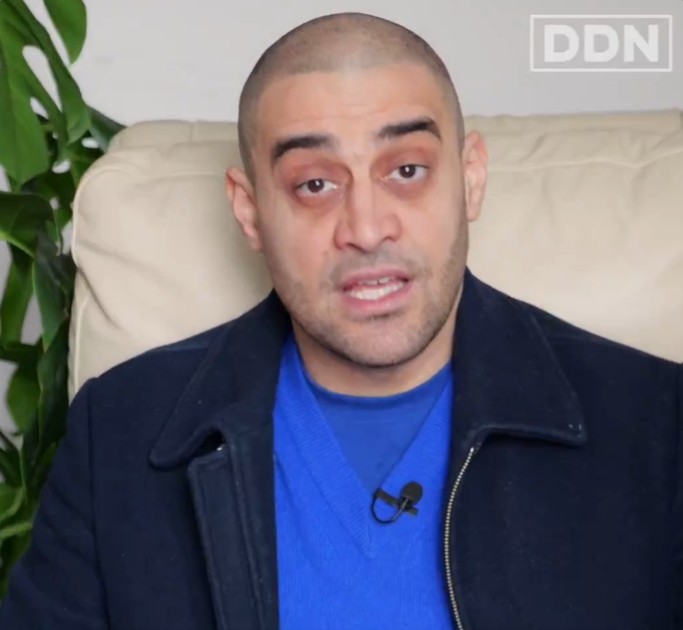
“The moral of the story is that we have an elite which rules us who do not view us as equal human beings”. Lowkey gets to the core of the issue on Double Down News.
* * *
Israeli prime minister Benjamin Netanyahu arranged for the Zionist state’s bogeymen at Hamas to receive $35m every month in cash via Qatar, it has been revealed by The Bibi Files, a documentary film which features videos of him being interrogated by Israeli police on corruption charges.

* * *
The “left” and “right” boxes into which we are all meant to squeeze our personal opinions are, of course, merely tools of the divide-and-rule strategy long since deployed by the global mafia, as Ben Rubin usefully demonstrated on UK Column News on March 30 2026. Overall, a very strong episode.

* * *
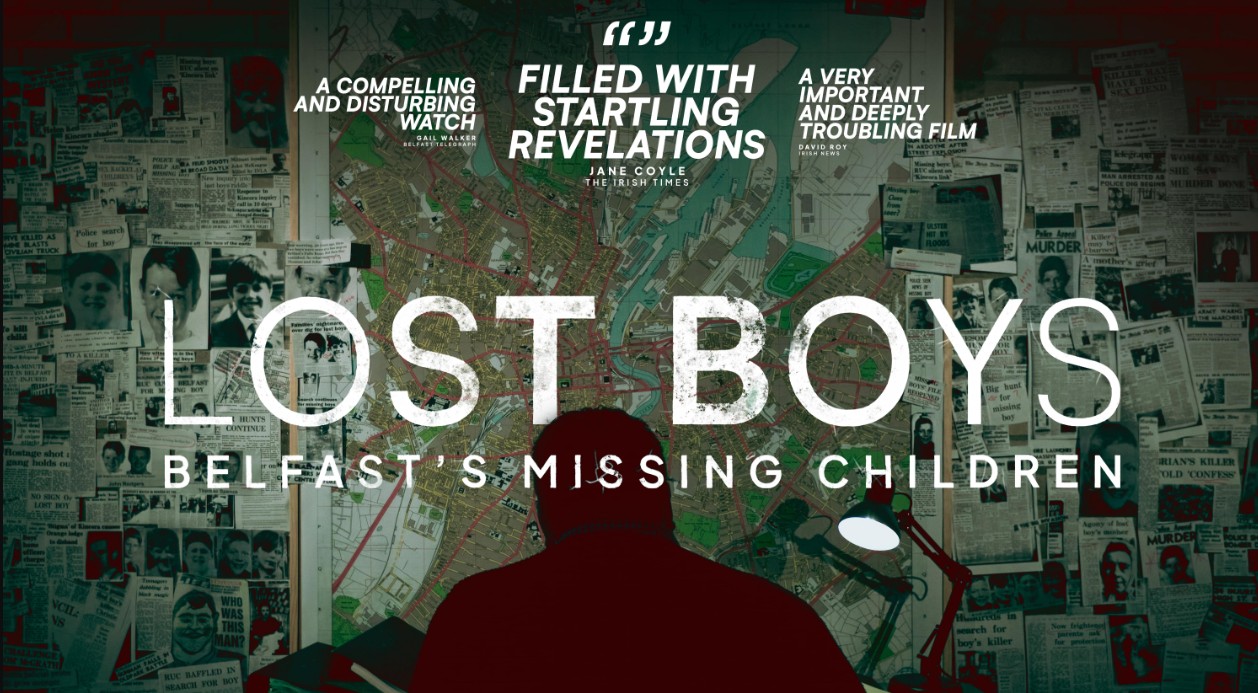
Lost Boys: Belfast’s Missing Children is an excellent and well-produced free-to-view 90-minute documentary exposing the activities of the global mafia [its MI5 agency in this case] in Northern Ireland, using the cover of a (manufactured) civil war to abduct, abuse and murder innocent Irish children.
* * *
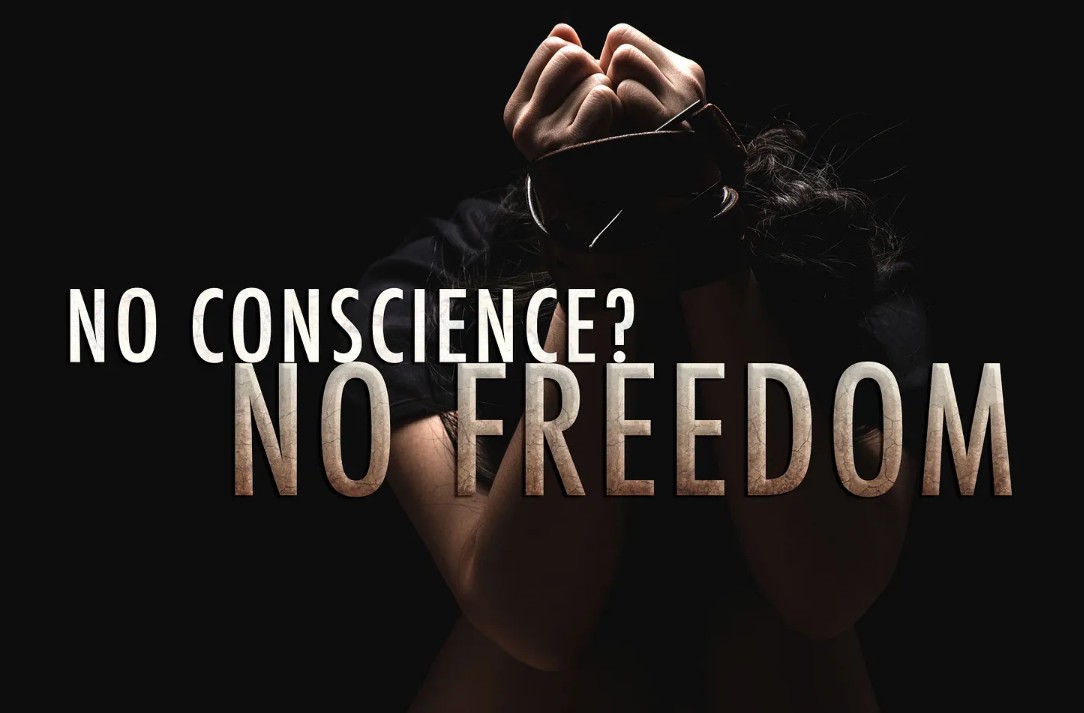
“A person with conscience not only recognizes evil with supreme clarity, they actively reject it and stand against it. They place moral principles and right action above self-preservation”. So writes River Laurie as part of Nevermore‘s excellent Against the Rising Tide of Nihilism series.
* * *
“Oh man, this song is going to get me in some f***ing trouble”. The official video of Raw Thoughts VII by rapper Chris Webby is definitely worth a watch…
* * *
“It is as simple as that: we have lost touch with things, lost the physical experience that comes from a direct contact with the organic processes of nature… We know it – instinctively we know it and walk like blind animals into a darker age than history has ever known”.

(For many more like this, see the Winter Oak quotes for the day blog)
If you like this bulletin please tell others about it. Subscribe by clicking the “follow” button.
—–
Back Issues
Follow Winter Oak on X at @WinterOakPress
 winter oak