Socrates’ Doctrine (The Myth of Philosophy 5)

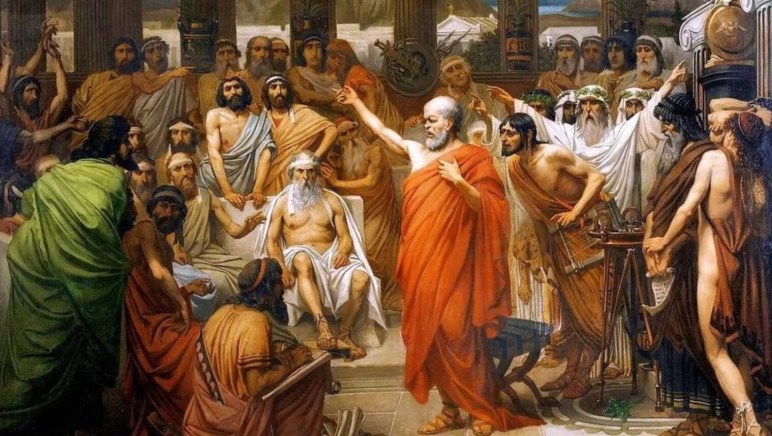
by W.D. James From what we have learned of Socrates thus far in this essay series, it might sound odd to speak of ‘Socrates’ doctrine.’ After all, he had claimed that any wisdom he possessed was knowing that he did not know very much, if anything. Further, he insisted he was not a teacher. He … Continue reading Socrates’ Doctrine (The Myth of Philosophy 5)

Jacques Camatte (1935-2025): a lifetime of struggle against the global racket

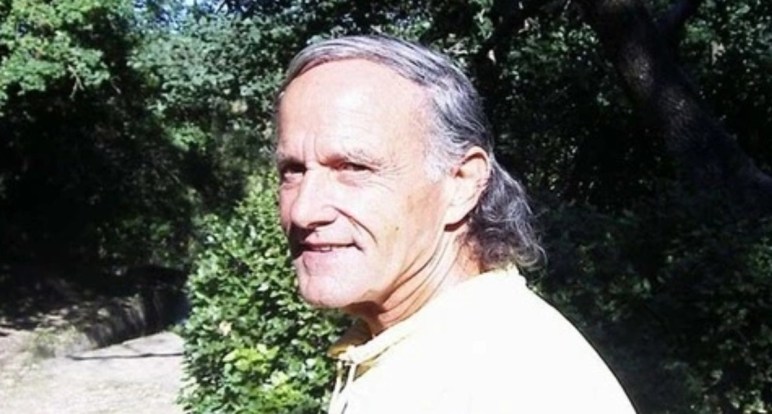
We have just (belatedly) learned of the death of French dissident philosopher Jacques Camatte, at the age of 90, and by way of tribute are sharing this profile from the Organic Radicals website. Jacques Camatte (1935-2025) was a political philosopher who rejected both marxism and industrial capitalism and influenced the green anarchist movement in the … Continue reading Jacques Camatte (1935-2025): a lifetime of struggle against the global racket

Combat (The Myth of Philosophy 4)

by W.D. James In this series we have been exploring how in his Apology, Plato presents his mentor Socrates as a new sort of hero. Heroes fight monsters and previously we looked at who the monsters in this case were: those who subordinate truth to power. This time we’ll look at Socrates’ trial itself; the … Continue reading Combat (The Myth of Philosophy 4)

Gnosticism and the universal mother

by Paul Cudenec (who reads the article here) "The birthing of humans by the Earth is a universally widespread belief. In numerous languages, we are named 'born of the Earth'". [1] So writes Mircea Eliade in Le sacré et le profane, a book to which I referred in 'Our sacred belonging'. [2] On the surface … Continue reading Gnosticism and the universal mother

Wisdom (The Myth of Philosophy 3)

by W.D. James Philosophers have a comprehensive understanding of all aspects of existence. What they know, they always know with certainty. They are practically gods in the realm of knowledge and wisdom. Wait - none of those things are true (though philosophers often forget that). That philosophers might think and act like they were true … Continue reading Wisdom (The Myth of Philosophy 3)

Dancing on the web of being

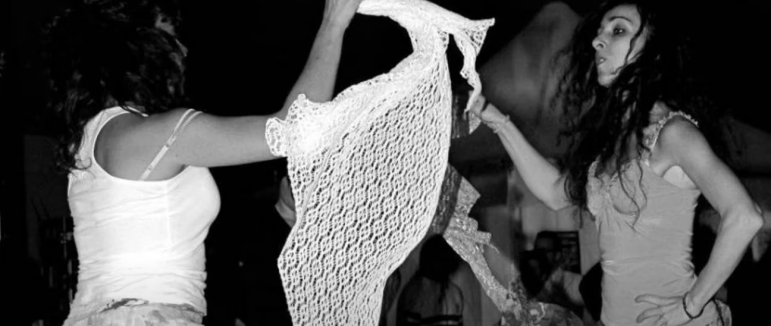
by Paul Cudenec (who reads the article here) As the bulldozers of power and control progressively destroyed organic folk customs and beliefs across the world, some areas held out for longer. One such place was the south of Italy, which in the 16th century was described by Jesuits as an "Italian India" [1] - this … Continue reading Dancing on the web of being

Lifting the lid on a bankster stink tank

by Paul Cudenec (who reads the article here) Over the last few years, my reading and research have led me to the unavoidable conclusion that the contemporary world is dominated by an entity I call ZIM - the zio-imperialist mafia. Those who dispute this finding, despite all the detailed evidence I have mustered, basically fall … Continue reading Lifting the lid on a bankster stink tank

The Empty Middle of The Consciousness Revolution: Why We Need To, And How We, Reinvent The Extended Family

by Mark Josephs (aka Mark the Mystic Activist) The Need for Revolution In my opinion it is utterly unacceptable that people who are psychologically ignorant, emotionally immature, and devoid of communication skills are negotiating on behalf of entire populations – and declaring wars! What kind of a civilization would allow such things?! Yes I want … Continue reading The Empty Middle of The Consciousness Revolution: Why We Need To, And How We, Reinvent The Extended Family

Monsters (The Myth of Philosophy 2)

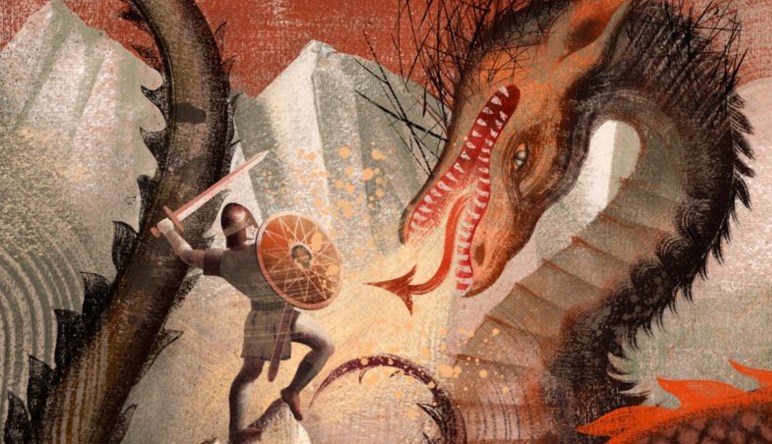
by W.D. James Heroes fight monsters. The protagonist of Beowulf must defeat Grendel and then his mother who threaten the mead-hall of a Danish king. The mead-hall essentially represents homeliness and the monsters are those who threaten that. Further, monsters are unnatural; this is reflected in their physiology but also in their perverse values and … Continue reading Monsters (The Myth of Philosophy 2)