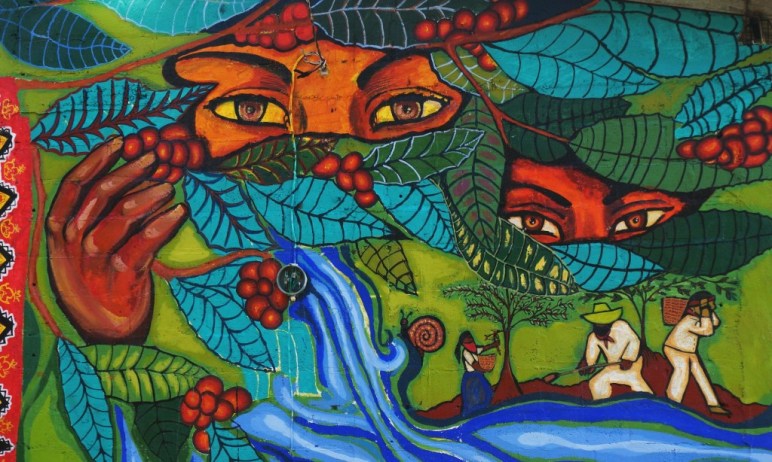
The second of two related book reviews by Paul Cudenec (who reads it here)
Having recently addressed the question of how the global mafia manages to maintain its rule in the face of all our resistance, [1] I will now look at the issue the other way round, by asking how our resistance can possibly succeed in the face of all the Empire’s power and violence.
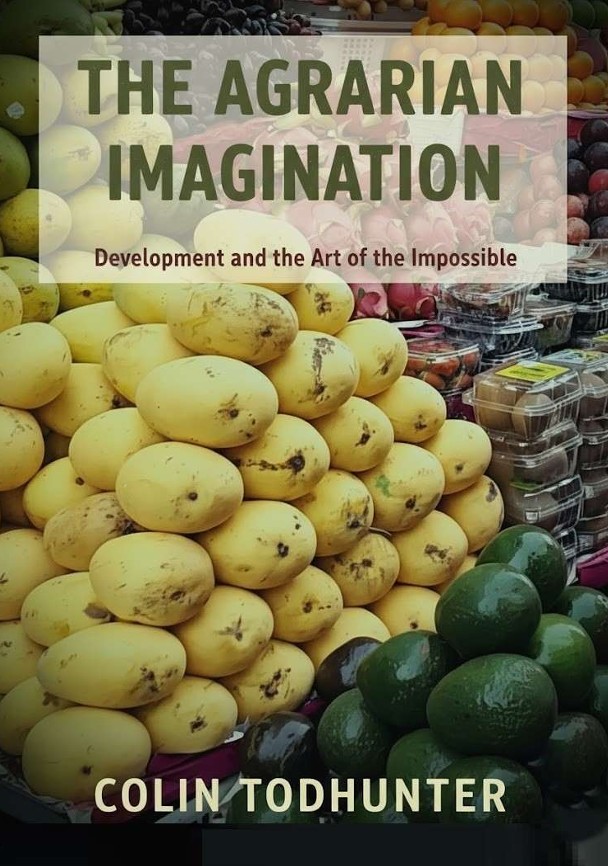
I will do so through the lens of an excellent new open access book by Colin Todhunter, entitled The Agrarian Imagination: Development and the Art of the Impossible. [2]
Todhunter pulls no punches regarding the gravity of the situation facing us.
He writes: “The so-called ‘Great Reset’ anticipates a fundamental transformation of Western societies, resulting in permanent restrictions on liberties and mass surveillance”. [3]
“The message is: get used to being poor or on the scrapheap, and dissent will not be tolerated”. [4]
We can expect, he says, “the increasing convergence of state and corporate power – a trajectory that points towards a shift away from ‘capitalism’, possibly towards a technocratic or even techno-feudalist system where e-commerce platforms, algorithms, programmable centralised digital currencies and monopolistic entities determine how we live”. [5]

He adds: “In the cold, centralised, technocratic dystopia that is planned, humanity’s spiritual connection to the countryside, food and agrarian production are to be cast into the dustbin of history…
“Corporate lobbyists say it is ‘progress’. They say there is no alternative. Well, they would. As corporations profit, the majority suffer”. [6]
The author identifies the phenomenon fuelling the threat as so-called “development” which, as I have explained, refers not only to the result of globalist control – the profits and power gained from the exploitation of both nature and humankind – but also to the means by which this control is imposed and advanced. [7]
He stresses that his book “rejects the notion that ‘development’ is an inherently good idea by exposing how the standard model – driven by the needs of neoliberal global capital and top-down policy – functions as an engine of injustice, displacement and ecological destruction”. [8]
Development is “a system of extraction disguised as improvement”, he says.
“The language of growth and modernisation conceals a deeper pattern of control and dispossession that continues to define the so-called development project”. [9]
“Powerful corporations are shaping the development agenda with the full backing of the state on hand to forcibly evict people from their land and hand it over to mineral-hungry industries or agribusiness to fuel a warped, unsustainable model of development and swell the pockets of elite interests”. [10]
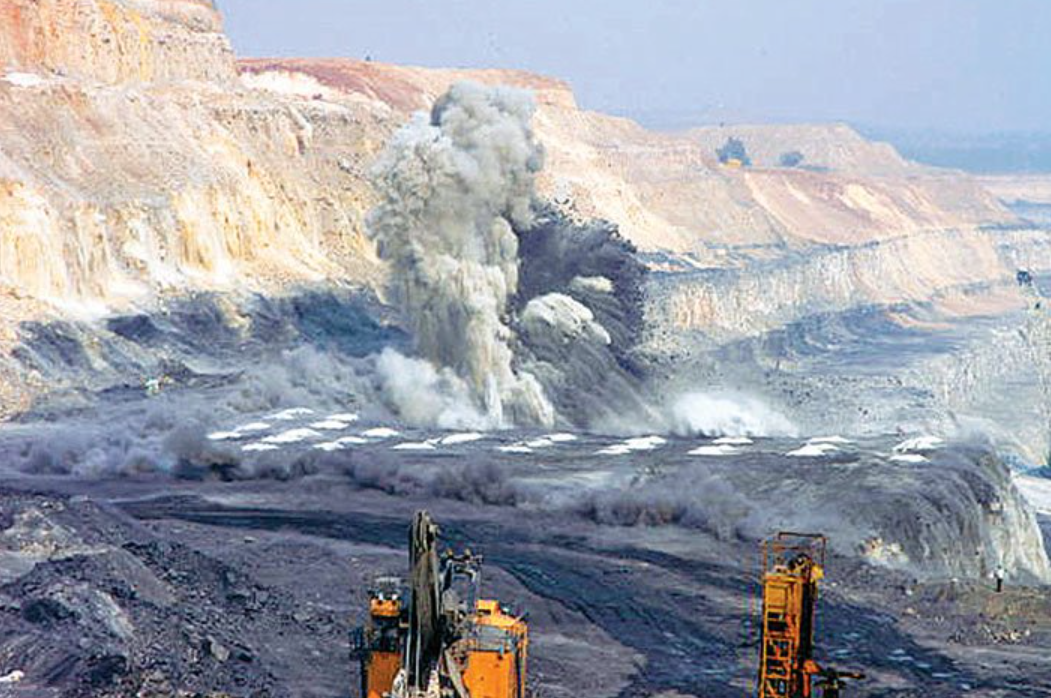
Rather than being some kind of inevitable or positive process that can be made “sustainable” by painting it in rainbow colours, development is in fact a crime in progress.
Todhunter says: “We may justifiably claim development to be a form of violence”. [11]
He points to this happening all over the world, whether in Congo where “rich corporations profit from war and conflict” or in India, where tens of thousands of militias have been poured into tribal areas to forcibly displace 300,000 people and place 50,000 in camps. [12]
And he adds: “In the process, rapes and human rights abuses have been common”. [13]
Todhunter focuses in particular on India and quotes Arundhati Roy regarding the thousands of tribal people displaced by the Narmada Sarovar Dam.
She says: “Many of those who have been resettled are people who have lived all their lives deep in the forest…
“Suddenly they find themselves left with the option of starving to death or walking several kilometres to the nearest town, sitting in the marketplace offering themselves as wage labour, like goods on sale…
“Instead of a forest from which they gathered everything they needed – food, fuel, fodder, rope, gum, tobacco, tooth powder, medicinal herbs, housing materials – they earn between ten and twenty rupees a day”. [14]
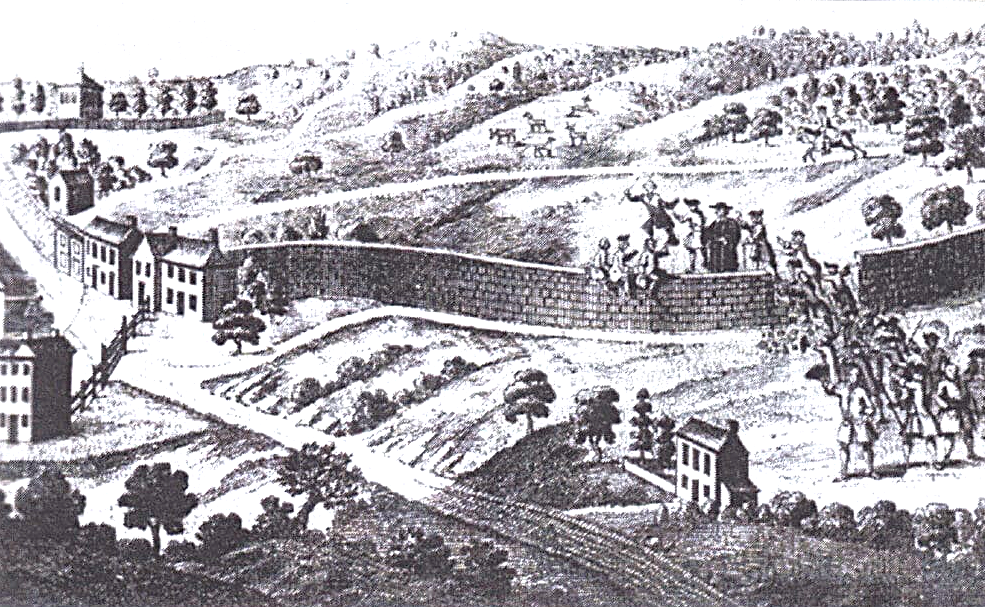
And Todhunter points out that this is merely the continuation of the dispossession that the same interests inflicted on the people of England centuries ago.
“There is a historical comparison to be made between the displacement of people from the land in England during the Industrial Revolution and the contemporary displacement of the peasantry in India under neoliberal capitalism.
“Just as the enclosure movement in England forcibly removed peasants from their land, pushing them into cities to become a labour force for emerging industrial capitalism, a similar process is unfolding in India today”. [15]
The Empire’s war on the rest of humankind amounts to literally wiping out our ways of life, our identities and our autonomies.
Todhunter cites an article by Helena Paul in which she describes this happening in Paraguay.
She writes: “Repression and displacement, often violent, of remaining rural populations, illness, falling local food production have all featured in this picture.
“Indigenous communities have been displaced and reduced to living on the capital’s rubbish dumps.
“This is a crime that we can rightly call genocide – the extinguishment of entire Peoples, their culture, their way of life and their environment”. [16]
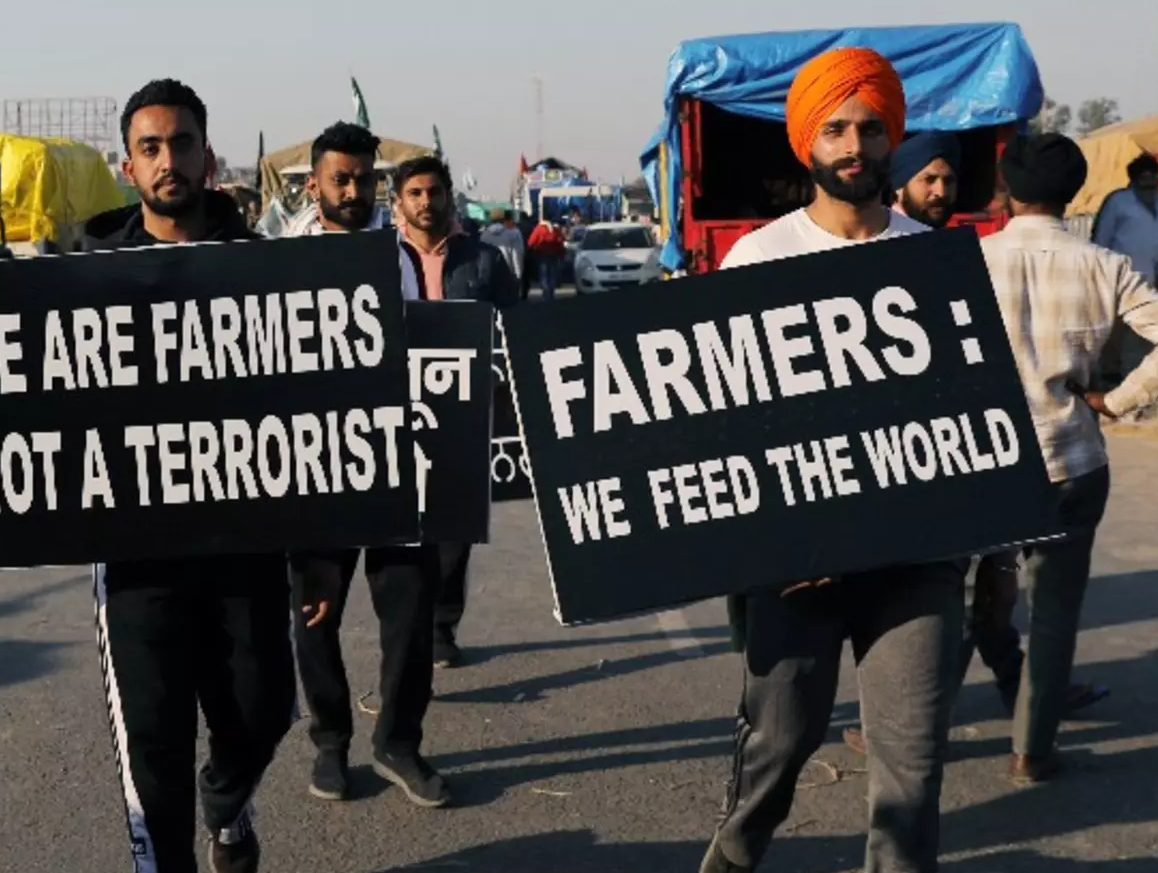
The farmers’ protests that have swept India (and elsewhere) in recent years represent a desperate resistance to the all-crushing power of the vile Empire.
Todhunter notes: “The outcome in India thus far has been devastating for millions of small-scale farmers and rural dwellers.
“Neoliberal reforms have led to spiralling input costs, dependency on proprietary seeds and agrochemicals and the erosion of traditional farming systems.
“This has resulted in widespread indebtedness, economic distress and a decline in the number of cultivators – millions have been pushed off the land, many driven to suicide”. [17]
He says the aim is to restructure India’s agri-food sector for the needs of global supply chains and markets.
“As independent cultivators are bankrupted, the goal is that land will eventually be amalgamated to facilitate large-scale industrial cultivation.
“Those who remain in farming will be absorbed into corporate supply chains and squeezed as they work on contracts dictated by large agribusiness and chain retailers”. [18]
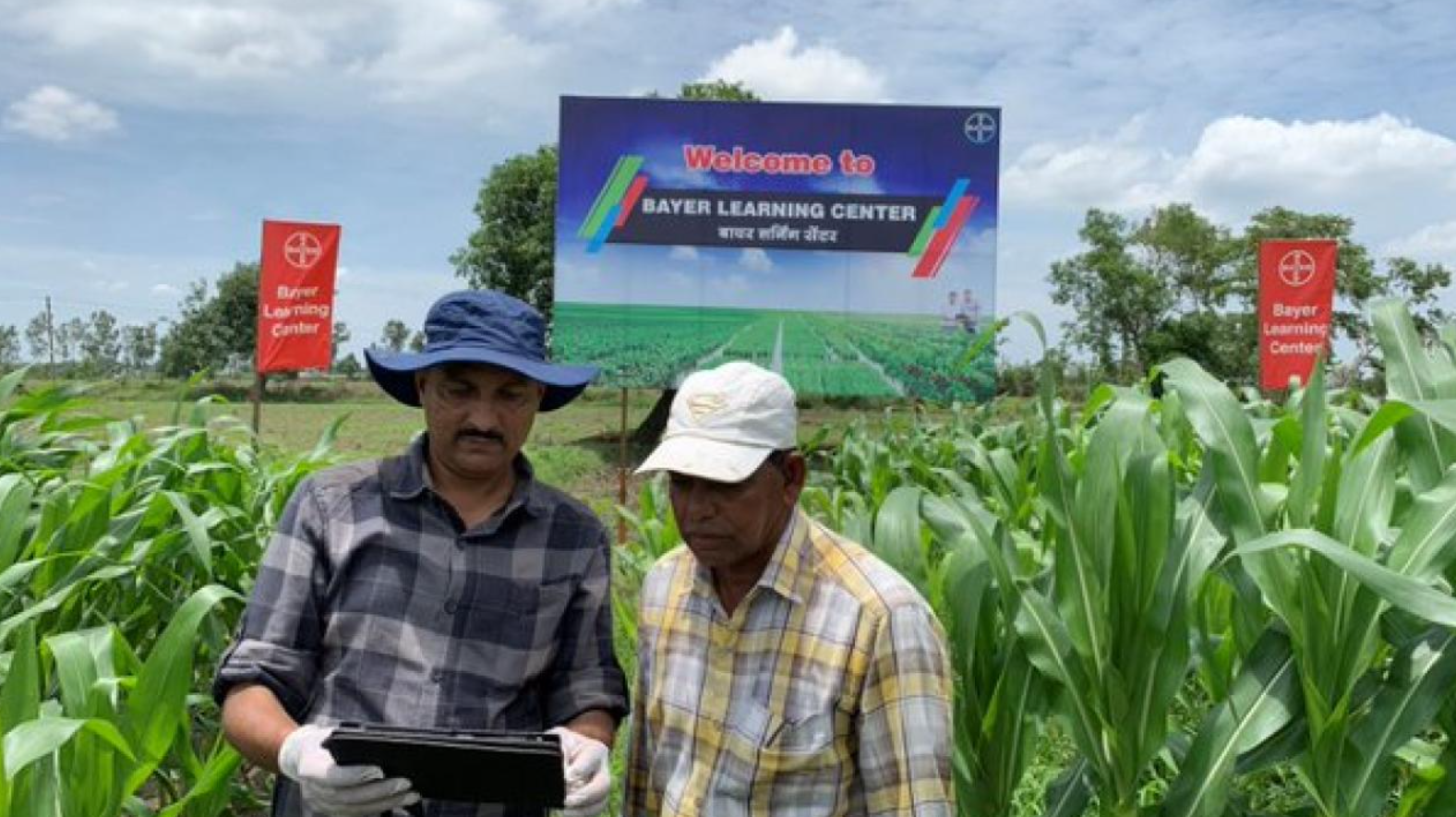
“Companies like Bayer attempt to depict these developments as ‘modernising’ Indian agriculture and portray the sector as ‘backward’.
“However, such corporations cynically exploit notions of backwardness and modernisation to promote their financially lucrative agricultural practices and technologies in a bid to secure control of the sector”. [19]
“The farmers’ movement sees through the plan to withdraw government support from agriculture and hand over farming and public food distribution to corporations led by Adani, Ambani, Tata, Cargill, Pepsi, Walmart, Bayer, Amazon and others”. [20]
Todhunter explains how this is all part of a deliberately constructed chain of manipulation, creating cheaper labour for the global profiteers at the expense of people everywhere.
“In India, the policy of population displacement compels displaced rural workers to migrate to urban areas in search of precarious, low paid employment or remain unemployed, swelling the ranks of a surplus labour force.
“This reserve army of labour is not accidental but serves a strategic function within global capitalism. It helps suppress wages and weaken the bargaining power of workers and trade unions both in India and internationally.
“By maintaining a large pool of cheap and insecure labour, capital can discipline workers through competition and insecurity.
“Moreover, many of these displaced Indian workers are absorbed into offshored factories and global supply chains, effectively acting as a tool to undermine labour rights and conditions in wealthier countries”. [21]

The global prison being built around us is only possible because of the manipulation of our perception of reality, the relentless brainwashing designed to persuade us that this is all perfectly normal.
As Todhunter says: “Beneath the visible machinery of land grabs and corporate deals lies something less tangible yet more pervasive: the capture of thought itself”. [22]
“The ideology of modern ‘developed’ society is a power play concerned with redefining who we are or what we should be, what is acceptable and what is unacceptable”. [23]
He describes how the Empire is constantly inventing new “ideological cover” [24] for its financial ambitions and how “public relations, pseudo-science and ‘humanitarian’ branding manufacture consent for the very systems that impoverish and poison under the names of ‘modernisation’ and ‘development’”.[25]
“These networks saturate media, dominate web searches, steer ‘educational’ content and organise phony grassroots engagement (astroturfing), all aimed at upholding the inevitability and virtue of industrial agriculture while making alternatives rooted in the local, organic and agroecological seem marginal or dangerous”. [26]
“Critics are placed on a ‘hit list’ and smeared as murderers (condemning millions to starvation for opposing GM), privileged ‘First World’ ideologues or anti-science extremists, rather than principled advocates for ecological and public health. This reputational assault aims to shape the boundaries of acceptable debate”. [27]
“The dominant narrative has impacted nearly every key institution so that industry influence is rendered almost invisible and criticism almost unthinkable”. [28]
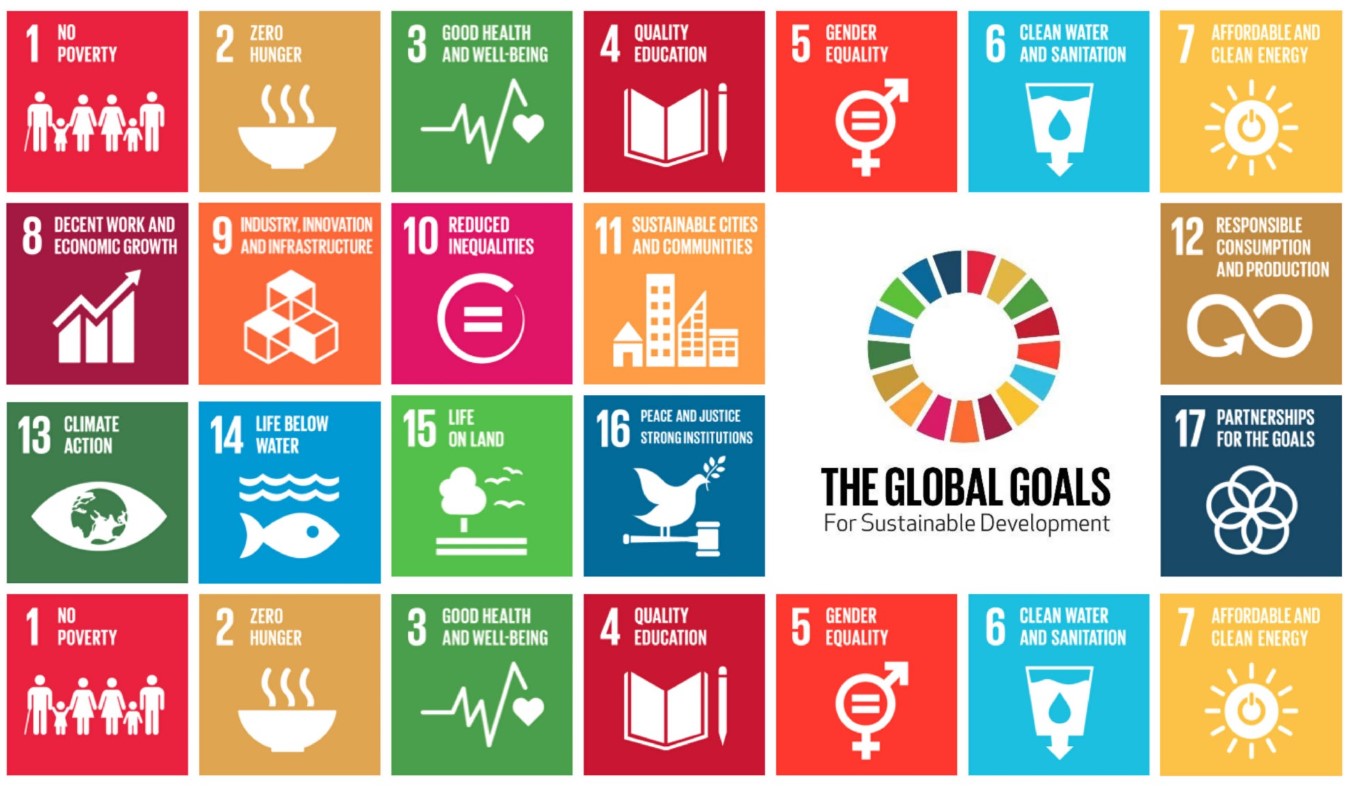
The “climate” scam is currently central to these efforts, he points out. “The climate emergency narrative is being used to legitimise new financially lucrative instruments such as carbon trading and green investments, schemes designed to absorb surplus wealth under the guise of environmentalism”. [29]
“The net-zero carbon emissions agenda will help legitimise lower living standards (reducing your carbon footprint) while reinforcing the notion that our rights must be sacrificed for the greater good.
“You will own nothing, not because the rich and their neoliberal agenda made you poor, but because you will be instructed to stop being irresponsible and must act to protect the planet”. [30]
As mentioned in a recent Acorn bulletin, [31] the notion of voluntary degrowth – living sanely and simply outside the global greedmill – is being turned round into a tool of the Empire.
Todhunter confirms: “Decreased consumption (your poverty) will be sold as being good for the planet by co-opting the concept of ‘degrowth’; something to be imposed on the masses while elites continue to accumulate”. [32]
He also accurately identifies the Covid manoeuvre as having been another weapon deployed by the Empire against the rest of humankind.
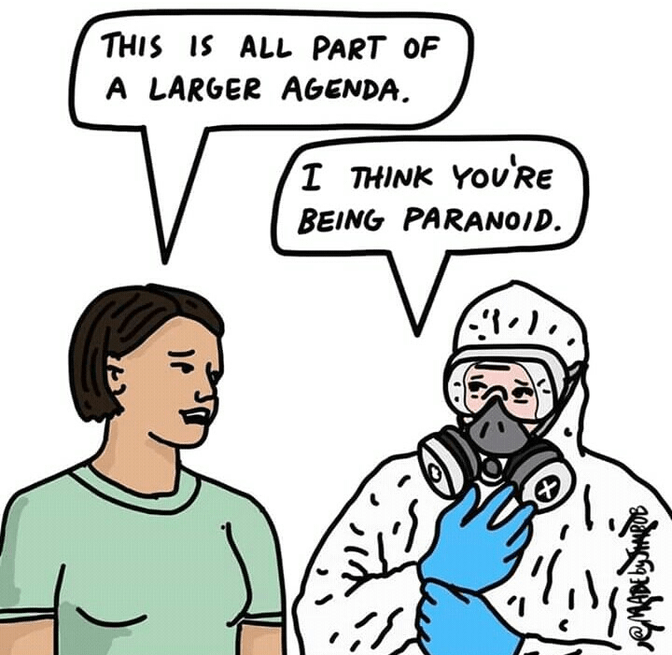
He writes: “COVID was used as a strategy of ‘creative destruction’, accelerating the destruction of millions of livelihoods globally and pushing small businesses towards bankruptcy.
“Rather than providing genuine aid to the public, COVID policies and massive government spending primarily benefited large corporations – boosting their margins while forcing smaller enterprises to the brink and consolidating corporate power.
“At the same time, COVID was used to justify unprecedented restrictions on freedoms, increased surveillance and digital control mechanisms”. [33]
Todhunter refers to investigative journalist Michael Bryant’s finding that €1.5 trillion was needed to deal with the financial crisis in Europe alone in 2020.
“This strategy was designed to stabilise and restructure the financial architecture by halting the flow of economic activity temporarily, enabling a multi-trillion-dollar bailout of Big Finance and large corporations under the guise of COVID relief. A bailout that dwarfed anything seen during the 2008 financial crisis”. [34]
“Lockdowns not only destroyed small businesses and accelerated corporate consolidation, but – unlike the 2008 bailouts – this process faced little opposition, as it was justified as a public health necessity”. [35]

The crime being carried out by the Empire, using all these lies and violence, is obviously one of robbery on an unimaginable scale.
Its relentlessly sustained imperialist “development” is part of “the dynamics of global capital accumulation”, [36] the author emphasises – “the concentration of wealth and control in the hands of a global corporate and financial elite”. [37]
It has a vast mechanism with which to carry out this robbery, which includes the military forces of repression that I previously described.
So it is that “structural adjustment programmes imposed by institutions like the IMF and World Bank or bilateral agreements with the US have forced countries like India to radically transform their agricultural sectors”. [38]
“In India, Hinduism and tribal society beliefs sanctify certain animals, places, rivers or mountains. But it’s also a country run by Wall Street-sanctioned politicians who convince people to accept or be oblivious to the destruction of the same…
“How easy it is for the corrosive impacts of rapacious, hugely powerful corporations to colonise almost every area of social, cultural and economic life and encourage greed, selfishness, apathy, irretrievable materialism and acquisitive individualism”. [39]
Knowing what we do about the “multi-polar” BRICS new world order, [40] it comes as no surprise to see how closely India’s “Green Revolution” aligns with the WEF’s Fourth Industrial Revolution.

Todhunter writes: “India’s agriculture is being systematically corporatised. The Indian Council of Agricultural Research (ICAR) has signed memorandums of understanding with global giants like Bayer, Amazon and Syngenta.
“These deals, made without public debate or transparency, pave the way for AI-driven farmerless farms, carbon credit schemes that commodify land, genetically modified and herbicide-tolerant crops and digital platforms that dictate farming practices.
“Although this is promoted as modernisation, it is more akin to recolonisation”. [41]
What Indians are up against, he says, is a global corporate system – “a system that sees international finance firms like BlackRock, Vanguard, State Street, Fidelity and Capital Group investing in the global food giants that sicken and also in the pharmaceuticals sector that supposedly ‘cure’”. [42]
These financial entities are all part of what I have taken to calling ZIM, the zio-satanic imperialist mafia, [43] which, like all organised crime, is always eager to use violence to achieve its ends.
Todhunter writes: “During the 2020-21 farmers protest, a video that appeared on social media showed Ayush Sinha, a top government official, encouraging officers to ‘smash the heads of farmers’ if they broke through the barricades placed on a highway.
“Since the farmers renewed their protest in early 2024, tear gas and water cannons have been used against farmers to break up protests and prevent them marching to Delhi.
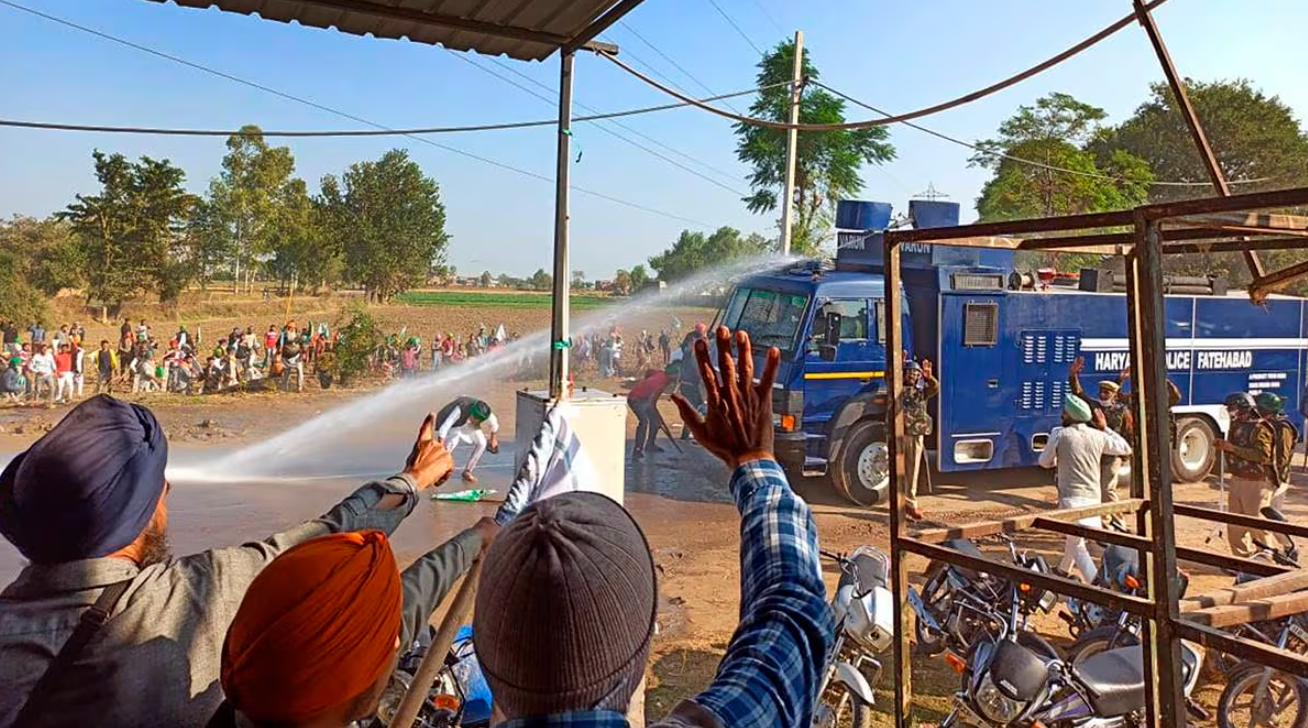
“The authorities must show international finance and agri-capital that they are being tough on farmers.
“They need to demonstrate that they remain steadfast in defeating the farmers movement in order to attract Foreign Direct Investment (maintain ‘market confidence’) and pave the way for a corporate-financial takeover of the sector”. [44]
“In late 2021, Bharatiya Kisan Union leader Rakesh Tikait stated that around 750 protesters had died during the year-long struggle”. [45]
Todhunter looks in detail at a horrific crime which he describes as “the necessary starting point for understanding the system’s true contempt for life”. [46]
In December 1984, cost-cutting neglect led to a deadly gas leak from a pesticide plant in Bhopal, majority-owned by the US-based Union Carbide Corporation (UCC).
He reports: “Some 10,000 were said to have died in the first three days following the leak. The final death toll is estimated to be between 15,000 and 20,000, with approximately 500,000 survivors grappling with a myriad of severe health problems, including respiratory ailments, blindness, cancers and genetic defects that continue to affect subsequent generations”. [47]
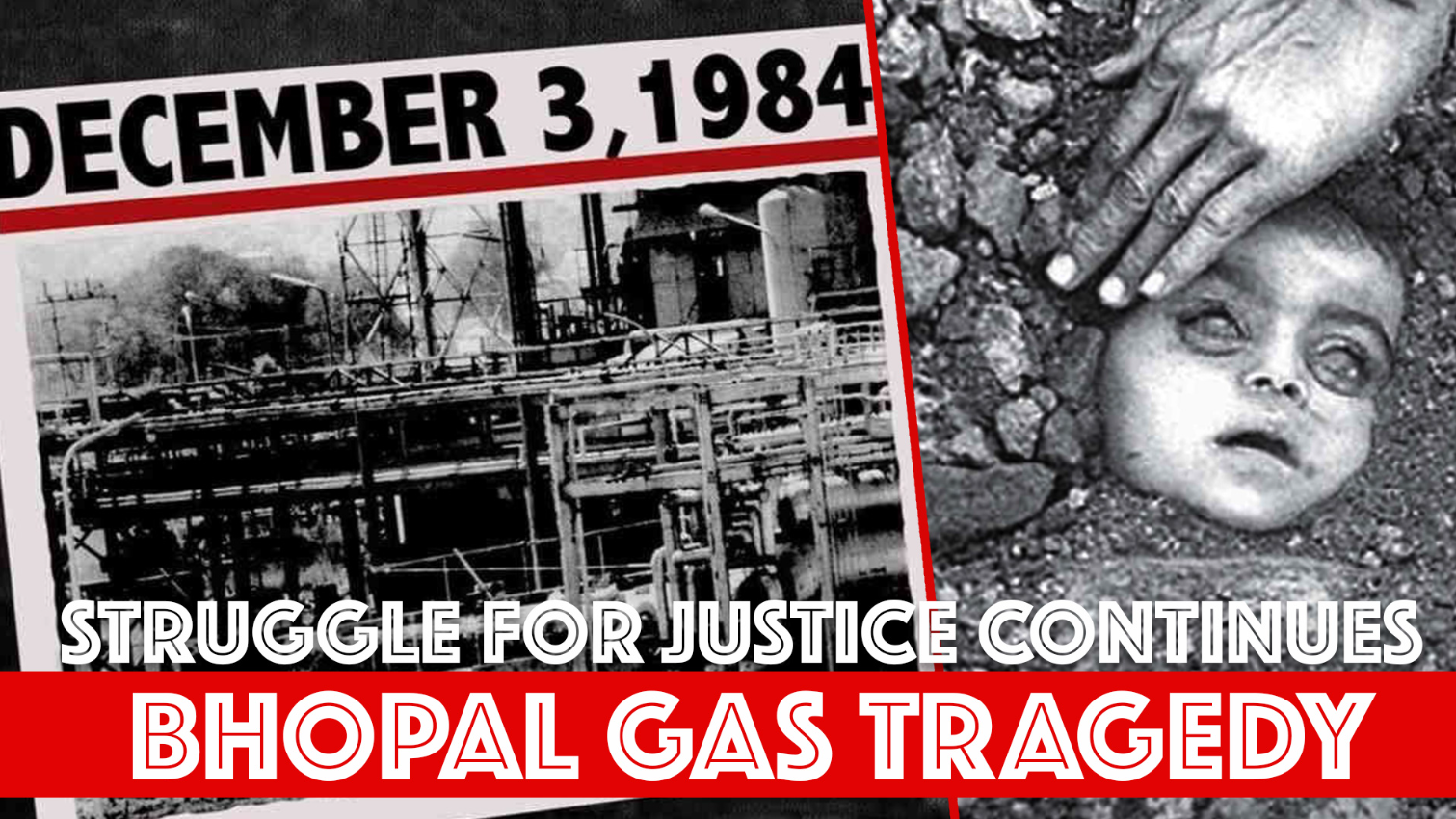
Needless to say, the Indian government’s response was “slow and inadequate”, corporate villains walked free and the eventual compensation paid out was “widely criticised as grossly insufficient given the scale of human suffering”. [48]
Some of the detail in the case is totally nauseating. We learn, for instance, that “workers at the plant were reportedly denied access to their own medical reports, with the corporation asserting its right to withhold this vital medical information as protected trade secrets”. [49]
Todhunter finds cause for hope in people’s general awakening to the reality of the globalist corporate system and its activities.
He says: “Today, almost every country in the world is witnessing growing anger among its rural and urban working class, who have been systematically marginalised and invisibilised by an economic system that expanded with the blessings of the World Bank, the International Monetary Fund, and the World Trade Organization”. [50]
“The mask has slipped. The cracks are laid bare… High-profile scandals and the relentless investigative work of independent journalists and scientists have exposed the industry’s coordinated tactics – the ghost-writing, the astroturfing, the smear campaigns”. [51]
In India, the big picture emerging for many is that “independence” was a sleight of hand and that while the country is no longer officially a British colony it is, in fact, still ruled over and exploited by the same imperial “economic power” [52] that also controls Britain.
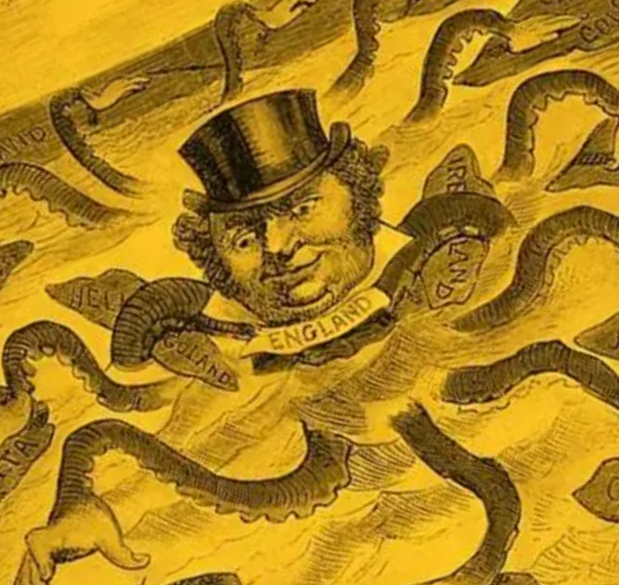
Todhunter writes: “True independence is not just political – it is economic, ecological and cultural.
“It means the right to grow, distribute and consume food that is healthy, local and culturally appropriate; farming that works with nature, not against it; and policies shaped by farmers and citizens, not in corporate boardrooms”. [53]
“Why does the belief in national independence persist in an age where it is increasingly apparent that hegemonic global capital and globalist neoliberal coercion shape policies rather than national governments – not just in India but also in Starmer-BlackRock’s Britain, Sweden, Germany and many if not most countries across the world?” [54]
“The myth of independence functions as a kind of false consciousness, obscuring the material conditions of subjugation under global capitalism.
“The nation state, once imagined as a bulwark against imperialism, now often acts as a facilitator of neoliberal interests, managing populations while outsourcing sovereignty to markets”. [55]
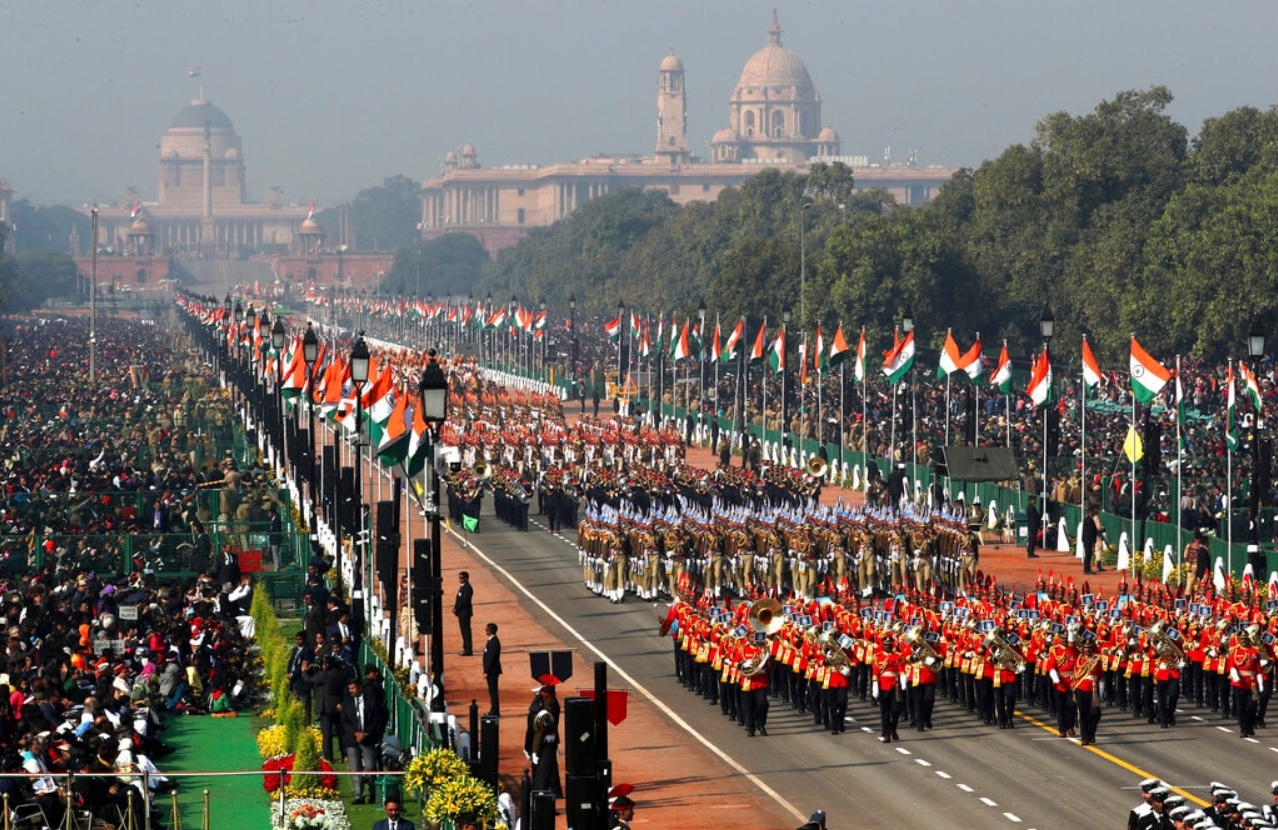
But, crucially I think, the author also sees how, despite the illusory nature of national independence in today’s world, the idea itself can still be used against the Empire.
He argues: “Across Latin America, for example, the anti-colonial myth of Bolívar’s liberation has been revived by food sovereignty and land reform movements as a rallying cry against modern corporate control”. [56]
The kind of nationalism he is talking about here is not the strutting, flag-waving, warmongering and supremacist variety.
It is nationalism as resistance to Empire, the reclaiming of self-determination in the face of the globalist mafia.
But any truly authentic independence movement – whether in India or elsewhere – will have to incorporate all the elements that would provide a long-term bulwark against (z)imperialist control, that lend “the capacity for people to shape their futures on their own terms”, [57] as Todhunter puts it.
“So, whether it is tribal communities, farming communities or city residents, resisting development isn’t just about saying no to a mining project, an industrial corridor, a highway or a dam.
“It’s also about saying our way of life matters and doesn’t need validation from outside experts or trampling on to serve some spurious notion of development”. [58]
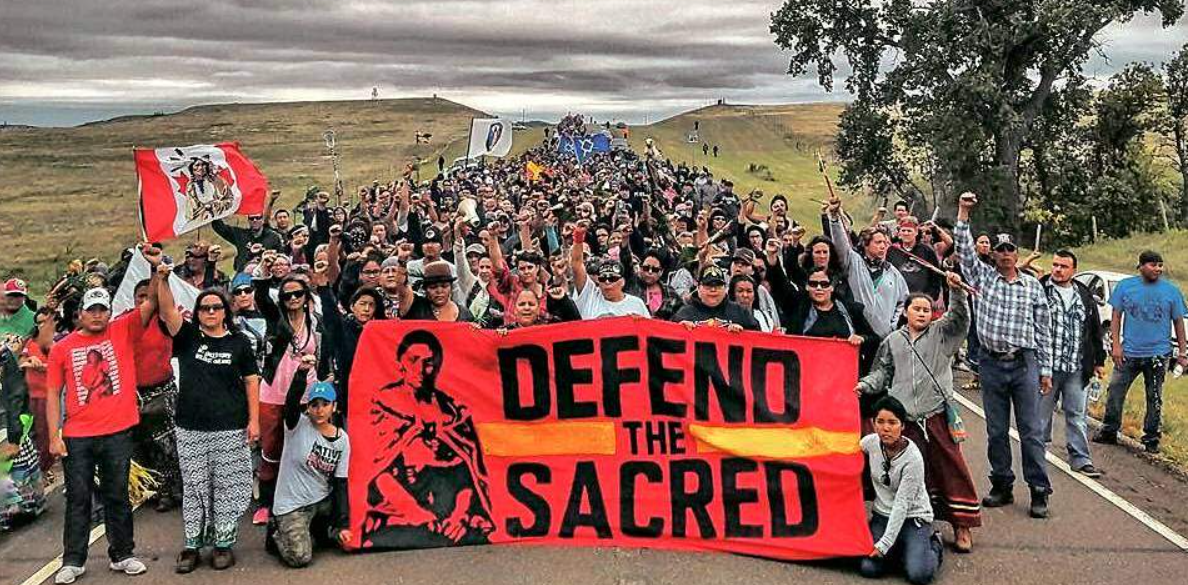
What is needed everywhere is cultural resistance – the preservation or re-establishment of the rooted human diversity that has been progressively ripped out of the way by the ever-advancing bulldozers of the industrial Empire.
Todhunter writes: “Communities rely on deep-rooted beliefs and cultural practices that resist the homogenising forces of neoliberalism, capitalist commodification and a narrow consumerist mindset…
“Such persistence mirrors the seasonal rites of rural life and the earth-honouring rituals preserved in agrarian thought, all of which express a shared understanding that human thriving can only be secured through reciprocal care with the land and with each other”. [59]
“Meaning is built through shared history and embedded relationships, something that passive consumption of optimised technologies cannot deliver”. [60]
As inspirations for this different way of imagining the world he cites two organic radical thinkers – Gerrard Winstanley of the 17th century English radical group the Diggers [60] and, of course, Mohandas Gandhi. [61]
“For Gandhi, indigenous capability and local self-reliance (swadeshi) were key to producing a model of sustainable development.
“Gandhi felt that the village economy should be central to development and India should not follow the West by aping an urban-industrial system”. [62]
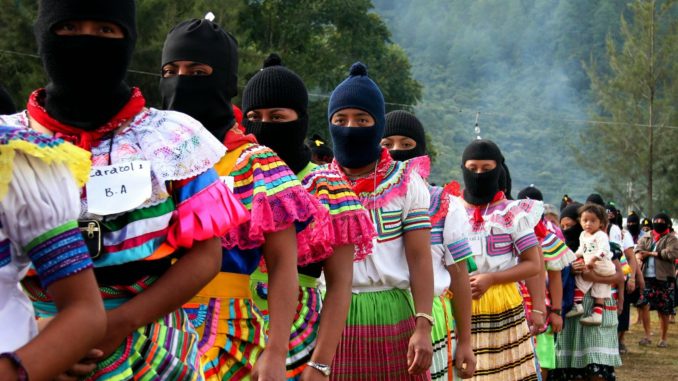
Todhunter also invokes the legendary Zapatistas, who were a big influence on my own political evolution 30 years ago – in particular with their message to international supporters that our role was not to rush out to the jungle to join their revolt but to build grassroots resistance where we lived.
He writes: “Since 1994, in Chiapas, the southernmost state of Mexico, they have defended Indigenous land and built autonomous communities rooted in cooperative farming, local governance and food sovereignty.
“Like the Diggers, they insist that land should serve people and communities, not corporations or distant elites”. [63]
Alongside movements like La Via Campesina, the Zapatistas “demonstrate that traditional wisdom, ethical values and scientific practices can coexist in resilient, community centered food systems”, he says. [64]
The name often given to this broad movement, found in the book’s title, is agrarianism, explains Todhunter: “Agrarian thought argues that rural life offers richer meaning than the alienation of urban industrial existence because it is grounded in nature, human labour and interdependence.
“At its heart lies a commitment to decentralisation: land should belong to those who work and depend on it, rather than to corporations or states”. [65]
“Shared labour, local decision-making and mutual care restore autonomy and genuine human connection”. [66]
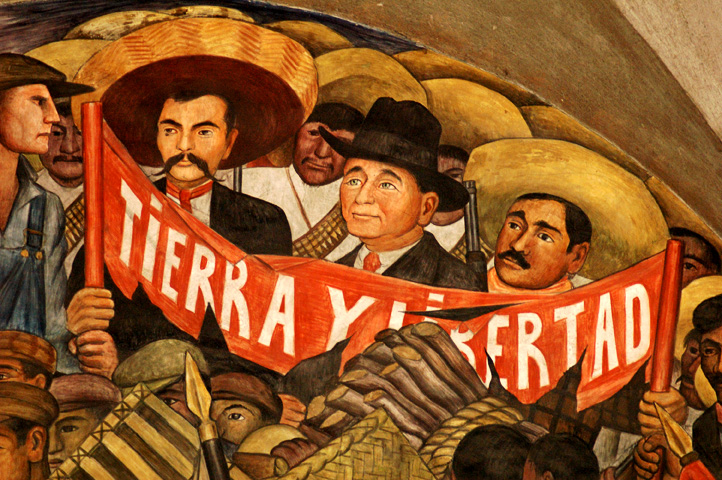
Although India is still a very agricultural country – Todhunter describes with loving detail the bustling informal markets that can be found everywhere – increasing numbers of its people now live in mega-cities with the population of the Delhi metropolitan area currently around 32 million. [67]
Elsewhere, in Europe and North America for instance, industrial dependency has obviously gained an even greater grip on our societies.
So the big challenge, says Todhunter, is “how can humanity be persuaded to embark on a road whose values are opposed to those of modern society”. [68]
The answer, he suggests, lies in the fact that so many people know in their hearts that there is something deeply wrong about the way they are living.
They experience “a kind of existential dissatisfaction”, he suggests.
“This is where the notion of spirituality in its broadest sense becomes critical, even in the most secular, concrete urban setting.
“A spirituality that’s about people’s fundamental need to feel rooted in something that transcends mere monetary value and material ownership”. [69]

Todhunter concedes that “creating a better world based on different values may appear impossible”. [70]
But he explores the transformative role of something he calls “the impossible essay”, which “depicts a vision of human life where moral, ecological and social ideals flourish. This vision represents what is right, what could be and what must be, yet it remains out of reach”. [71]
This is the same archetype as the “elsewhen” that I discovered in the writing of Hermann Hesse. [72] It is the expression of what most human beings innately expect to find when they are born into this world – our contemporary “existential dissatisfaction” arises from the fact that this expectation is not met.
The “impossible” vision is not just a passive regret for a world denied us, insists Todhunter. “Writing the impossible essay also cultivates imagination. Human societies are driven by the ability to imagine alternatives and value relationships beyond immediate utility”. [73]
I would say that this “impossible” vision is also an inner call to action, which if openly expressed and shared can quickly strike up a resonance capable of cracking the Empire apart.
It can become not just the dream of, and deep desire for, a restored natural order, but also the means of its own realisation.
It offers us a future in which, in India and everywhere else, “the concept of dharma reverberates across the landscape: duty, righteousness and interconnectedness that tie individual actions to the wellbeing of community and environment”. [74]

[1] Paul Cudenec, ‘The military mechanism of zimperial occupation’, https://winteroak.org.uk/2025/12/01/the-military-mechanism-of-zimperial-occupation/
[2] Colin Todhunter, The Agrarian Imagination: Development and the Art of the Impossible (UK/India: The Critical Globalisation Research Collective, 2025),
https://figshare.com/articles/book/The_Agrarian_Imagination_Development_and_the_Art_of_the_Impossible/30589238?file=59624783 All subsequent page references are to this work.
[3] p. 15.
[4] Ibid.
[5] p. 23.
[6] p. 143.
[7] Cudenec, ‘The military mechanism of zimperial occupation’.
[8] p. 1.
[9] p. 3.
[10] p. 4.
[11] p. 6.
[12] Ibid.
[13] Ibid.
[14] Arundhati Roy, The Greater Common Good, cit. p. 8.
[15] p. 19.
[16] p. 9.
[17] p. 18.
[18] p. 47.
[19] pp. 47-48.
[20] p. 44.
[21] p. 19.
[22] p. 6.
[23] p. 7.
[24] p. 12.
[25] p. 52.
[26] p. 53.
[27] p. 54.
[28] p. 56.
[29] p. 12.
[30] p. 17.
[31] ‘Degrowth: a threat to the system’, The Acorn 107, https://winteroak.org.uk/2025/11/26/the-acorn-107/#4
[32] p. 17.
[33] p. 12.
[34] p. 13.
[35] p. 14.
[36] p. 17.
[37] p. 24.
[38] p. 18.
[39] pp. 4-5.
[40] https://winteroak.org.uk/2023/07/17/brics-in-the-wall-of-global-greed/
[41] pp. 37-38.
[42] p. 49.
[43] Paul Cudenec, ZIM Unzipped: Investigating and Opposing the Zio-Satanic Imperialist Mafia (2025), https://winteroak.org.uk/wp-content/uploads/2025/11/zuonline.pdf
[44] p. 50.
[45] Ibid.
[46] p. 25.
[47] p. 26.
[48] pp. 26-27.
[49] p. 29.
[50] pp. 143-44.
[51] pp. 56-57.
[52] p. 24.
[53] p. 40.
[54] Ibid.
[55] p. 41.
[56] Ibid.
[57] p. 88.
[58] pp. 89-90.
[59] p. 82.
[60] pp. 90-91.
[60] pp. 101-02, https://orgrad.wordpress.com/a-z-of-thinkers/gerrard-winstanley/
[61] https://orgrad.wordpress.com/a-z-of-thinkers/mohandas-gandhi/
[62] p. 144.
[63] p. 110.
[64] p. 112.
[65] p. 105.
[66] p. 107.
[67] p. 76.
[68] p. 146.
[69] p. 90.
[70] p. 1.
[71] p. 112.
[72] Paul Cudenec, ‘A vision of elsewhen’, https://winteroak.org.uk/2025/11/21/a-vision-of-elsewhen/
[73] p. 115.
[74] p. 81.
 winter oak
“In India, the big picture emerging for many is that ‘independence’ was a sleight of hand and that while the country is no longer officially a British colony it is, in fact, still ruled over and exploited by the same imperial ‘economic power’ [52] that also controls Britain.”
A good description of the US as well. 😦
LikeLike
Yes, that’s true!
LikeLike
Excellent currents of historical consciousness brought into the globalist terror that now tries to engulf us in a myriad of veiled poisons; an encompassing flotsam of genocide, perpetrating a dialectic of lobotomised fury.
A thorough education in the laws of freedom is the enabler in the actions in step with the laws of nature.
Thanks for having your finger on the pulse.
LikeLike